
Comprehensive UK Medical Cannabis Guide
1. What is Medical Cannabis and the Legal Status in the UK
Medical cannabis refers to cannabis-based products prescribed by healthcare professionals to treat specific medical conditions. Cannabis contains cannabinoids—active compounds including tetrahydrocannabinol (THC) and cannabidiol (CBD)—which have therapeutic properties when used under medical supervision.
Prior to November 2018, cannabis was classified as a Schedule 1 controlled drug in the UK, meaning it had no recognised medical use. However, on 1 November 2018, the Home Secretary moved cannabis to Schedule 2, allowing registered doctors to legally prescribe cannabis-based medical products. This landmark change recognised the therapeutic potential of medical cannabis for patients with treatment-resistant conditions.
The legal status today means that whilst cannabis remains a controlled substance, specialist doctors can prescribe medical cannabis products when conventional treatments have proven ineffective or unsuitable. This change applies across England, Scotland, Wales, and Northern Ireland, though implementation and availability vary by region.
2. Who Qualifies for a Medical Cannabis Prescription
Medical cannabis is not available on the NHS for most conditions. Specialist private clinics prescribe medical cannabis primarily where conventional treatments have failed. The following conditions are commonly considered:
- Chronic Pain: Particularly neuropathic pain, fibromyalgia, and pain from cancer or treatment-resistant conditions
- Epilepsy: Especially treatment-resistant epilepsy where conventional anti-epileptic drugs have been ineffective
- Multiple Sclerosis (MS): For spasticity, pain, and related symptoms
- Anxiety Disorders: Including generalised anxiety disorder and treatment-resistant anxiety
- Post-Traumatic Stress Disorder (PTSD): When conventional therapies and medications have provided limited relief
- Sleep Disorders: Including insomnia associated with other medical conditions
- ADHD: In specific cases where conventional treatments are unsuitable or ineffective
Qualification typically requires demonstrating that at least two conventional treatments have been tried without satisfactory results. Clinicians also consider factors including age, overall health, current medications, and the likelihood of benefit from medical cannabis.
3. How to Get a Medical Cannabis Prescription: Step-by-Step Guide
Understanding the process is essential for patients seeking medical cannabis. Unlike NHS prescriptions, medical cannabis requires engagement with private specialist clinics. Here’s the detailed process:
There is no GP referral requirement for private medical best UK cannabis clinics. Patients self-refer directly by visiting clinic websites and completing online registration forms. Popular clinics include Lyphe, Releaf, Mamedica, and Curaleaf, among others. No prior approval from your GP is necessary, though informing your GP is advisable.
You’ll have a video consultation with a specialist doctor experienced in cannabis medicine. The doctor will review your medical history, previous treatments, current symptoms, and medication interactions. They assess whether medical cannabis is appropriate for your condition. This consultation typically lasts 45-60 minutes.
Following the consultation, if the doctor believes medical cannabis is suitable, they issue a prescription with specific product recommendations, dosages, and administration instructions. Different products suit different patients, and dosing is individualised based on your needs.
Your prescription is sent to a partner pharmacy, which dispenses your medical cannabis. Products are delivered discreetly to your home. Follow-up consultations are scheduled, typically at 2-4 week intervals initially, then less frequently as treatment stabilises.
For a detailed walkthrough of how to get a medical cannabis prescription in the UK, including specific clinic procedures, refer to our comprehensive prescription guide.
4. Top UK Medical best UK cannabis clinics Comparison
Several specialist clinics operate across the UK, each offering different services and pricing structures. Here’s a comparison of four leading providers:
| Clinic | Consultation Cost | Monthly Medication Cost | Conditions Treated | Typical Wait Time |
|---|---|---|---|---|
| Lyphe | £195 | £150-300 | Chronic pain, epilepsy, MS, anxiety, PTSD, sleep | 1-2 weeks |
| Releaf | £150 | £200-400 | Chronic pain, epilepsy, MS, anxiety, PTSD, autism | 2-3 weeks |
| Mamedica | £250 | £150-350 | Chronic pain, epilepsy, MS, anxiety, PTSD, sleep | 1-2 weeks |
| Curaleaf | £200 | £180-350 | Chronic pain, epilepsy, MS, anxiety, PTSD, ADHD | 2-3 weeks |
Each clinic employs experienced cannabis specialists and maintains quality dispensing standards. For detailed clinic reviews and comparisons, visit our best UK cannabis clinics.
Clinic Highlights
Lyphe: Known for rapid appointment availability and competitive pricing. Offers flexible follow-up scheduling and excellent customer support.
Releaf: Specialises in education and patient support. Higher medication costs but comprehensive aftercare services included.
Mamedica: Premium clinic with experienced consultants. Comprehensive assessments and personalised treatment plans.
Curaleaf: Large-scale operator with wide product range and strong pharmaceutical partnerships. Known for extensive condition coverage.
5. Available Medical Cannabis Products on Prescription
Medical cannabis is available in several pharmaceutical forms, allowing doctors to prescribe treatments suited to individual needs:
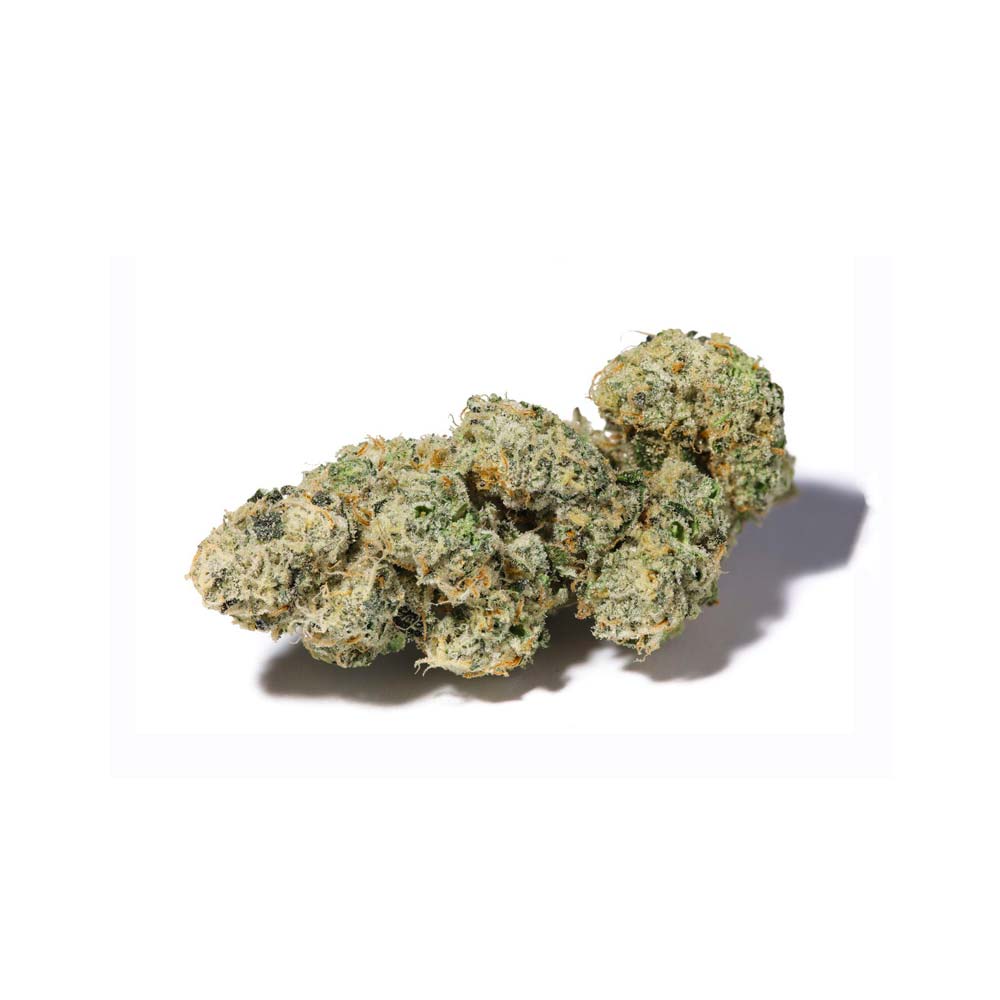
- Dried Flower: The traditional form, vaporised or used in other methods. Typically contains defined THC and CBD ratios. Products include 20:1 (high CBD), 1:1 (balanced), and 15:1 (higher THC) varieties.
- Cannabis Oil: Concentrated liquid containing cannabinoids. Taken orally via dropper, allowing precise dosing. Available in various cannabinoid ratios tailored to conditions.
- Capsules: Pre-dosed capsules containing cannabis extract, offering convenience and consistent dosing. Popular for patients preferring standardised medications.
- Tinctures: Alcohol or glycerin-based extracts placed under the tongue for rapid absorption.
Doctors select products based on your condition, preferences, and previous responses to treatment. Many patients trial different products initially to determine which is most effective.
6. Cost Breakdown for Medical Cannabis Treatment
Initial Costs
- First Consultation: £150-250 (varies by clinic)
- Initial Prescription: Included in consultation fee
- First Month Medication: £150-400
Total Initial Investment: £300-650
Ongoing Monthly Costs
- Follow-up Consultation: £75-150 (typically required every 4-8 weeks)
- Monthly Medication: £150-400 (depending on product and dosage)
Average Monthly Cost: £225-550
Annual Cost Estimation
- Low estimate: £2,700-3,600 annually (budget clinics, lower medication costs)
- Average estimate: £3,500-5,000 annually
- Higher estimate: £5,500-7,200 annually (premium clinics, higher medication doses)
Costs vary based on clinic choice, medication requirements, and consultation frequency. Many patients find stabilisation requires higher initial costs, which reduce once optimal treatment is established. Some clinics offer package discounts for longer-term patients.
7. Patient Rights in Medical Cannabis Treatment
Patients receiving medical cannabis prescriptions have specific rights and protections:
- Informed Consent: You have the right to full information about treatment, including potential side effects, efficacy evidence, and alternative options.
- Confidentiality: Your medical information is protected under the Data Protection Act 2018 and General Data Protection Regulation (GDPR). Clinic staff maintain strict confidentiality.
- Safe Prescribing: Specialists must conduct thorough assessments, monitor for interactions with other medications, and adjust treatment as needed.
- Complaints Procedure: Clinics must have formal complaints procedures. Unresolved complaints can be escalated to the General Medical Council (GMC).
- Second Opinion: You can seek second opinions from other specialists without penalty.
- Treatment Cessation: You can discontinue treatment at any time. Clinicians will discuss safe withdrawal if appropriate.
- Employment Protection: Using prescribed medical cannabis is not grounds for disciplinary action in employment, provided you comply with legal obligations regarding driving and safety-sensitive roles.
- Non-Discrimination: Legal medical cannabis use should not affect insurance, housing, or other services (though some providers may have specific policies).
For information on legal rights and medical cannabis law, consult our UK cannabis law.
Frequently Asked Questions
A: Yes, your GP will be informed of your prescription by the clinic. This is important for ensuring safe medication interactions and comprehensive care. Your medical history remains confidential and protected.
A: Medical cannabis can impair driving ability, particularly initially. You must not drive if impaired. Some products (high-CBD, low-THC) may pose lower risks, but consult your specialist. Driving under the influence of cannabis remains illegal, regardless of prescription status.
A: Very rarely. Some NHS trusts have commissioned medical cannabis for specific conditions