
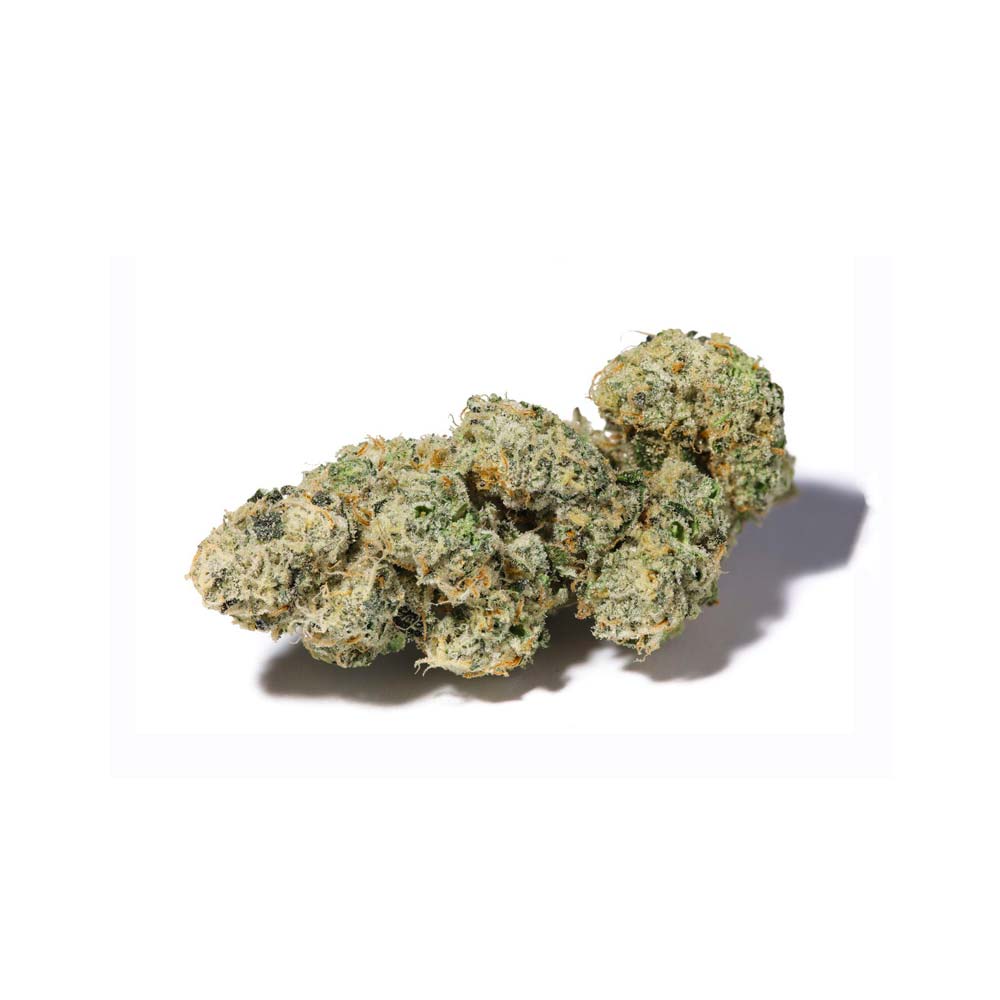
Cannabis vs Hemp UK: Understanding the Legal Differences and Uses
The distinction between cannabis and hemp remains one of the most misunderstood topics in UK law and wellness discussions. Whilst both plants belong to the species Cannabis sativa L., they are legally and practically different in the United Kingdom. This guide clarifies the key differences, legal status, and legitimate uses of each plant.
The Fundamental Difference: THC Content
The primary distinction between cannabis and hemp lies in tetrahydrocannabinol (THC) concentration. THC is the psychoactive compound responsible for the “high” associated with cannabis use.
Hemp is legally defined in the UK as cannabis containing no more than 0.2% THC by dry weight. This minimal THC content means hemp produces no psychoactive effects, regardless of consumption method.
Cannabis typically contains THC levels ranging from 5% to 30% or higher, depending on cultivation methods and plant genetics. Higher THC concentrations produce noticeable psychoactive effects.
This single threshold determines almost everything about how each plant is regulated, grown, and used in the United Kingdom.
Legal Status in the UK
Understanding the legal framework is crucial for UK residents, as penalties for breaching cannabis laws can be severe.
Cannabis Legal Status
Cannabis remains a Schedule 1 controlled substance under the Misuse of Drugs Act 1971 in the UK. This classification means:
- Possession of cannabis is illegal and can result in imprisonment for up to five years
- Supplying cannabis carries penalties of up to 14 years imprisonment
- According to Home Office data, approximately 1.3 million cannabis-related offences were recorded between 2016 and 2020
However, limited exceptions exist. In 2018, the UK government permitted licensed production of cannabis-derived medicines, and since then, medical cannabis has been available on prescription for specific conditions.
Hemp Legal Status
Hemp cultivation and products are legal in the UK when THC content remains below 0.2%. This regulatory flexibility has created a growing legal market for hemp-derived products, including:
- CBD (cannabidiol) oils and supplements
- Textiles and fibres
- Building materials
- Nutritional supplements
However, hemp-derived products marketed for health benefits face scrutiny from the Food Standards Agency (FSA). The FSA regulates CBD as a novel food, meaning products must meet specific safety and labelling standards.
Medical Uses and Therapeutic Applications
Medical research into cannabis and hemp continues to evolve, with distinct therapeutic applications emerging for each.
Medical Cannabis
In November 2018, the UK legalised medical cannabis following high-profile cases like that of Billy Caldwell. Medical cannabis is now available on prescription for:
- Chronic pain: Multiple sclerosis, cancer pain, and neuropathic conditions
- Epilepsy: Particularly in children with treatment-resistant seizure disorders
- Chemotherapy nausea: For cancer patients undergoing treatment
- Multiple sclerosis spasticity: Improving muscle control and reducing stiffness
as of 2026, only around 12,000 patients in England had been prescribed medical cannabis, indicating limited accessibility despite its legal status. Most prescriptions are issued by specialist centres rather than NHS GPs.
Hemp and CBD Uses
Hemp-derived CBD products are marketed for wellness purposes, though clinical evidence remains limited. Popular applications include:
- Anxiety relief
- Sleep improvement
- Inflammation reduction
- Pain management
The UK CBD market was valued at approximately £500 million in 2022, reflecting growing consumer interest. However, the FSA has not approved CBD as a medicine for most conditions, and claims must be carefully evaluated before purchase.
Chemical Composition and Effects
Beyond THC, cannabis and hemp differ significantly in their cannabinoid profiles. Cannabis typically contains higher concentrations of both THC and CBD, whilst hemp-derived products are usually CBD-dominant with minimal THC.
Cannabis produces immediate psychoactive effects including altered perception, euphoria, and impaired cognition. These effects vary dramatically between individuals and depend on THC concentration and consumption method.
Hemp and hemp-derived CBD products produce no psychoactive effects. Users report subtle wellness benefits rather than noticeable changes in consciousness.
Agricultural and Industrial Applications
Hemp’s legal status has enabled significant industrial development. The UK hemp industry is expanding, with applications including:
- Textiles: Hemp fibre produces durable, sustainable clothing and materials
- Construction: Hempcrete offers insulation and carbon sequestration benefits
- Food: Hemp seeds provide complete protein sources and nutritional supplements
- Paper and packaging: Sustainable alternatives to wood-based products
These industrial applications are driving hemp cultivation across the UK, particularly in Scotland and Northern England.
Practical Guidance for UK Residents
Cannabis: Possession remains illegal. Those seeking cannabis for medical purposes should consult their GP about formal medical cannabis prescriptions through specialist clinics.
Hemp products: Legal to purchase, but choose products from reputable suppliers with third-party testing certificates. Ensure products contain less than 0.2% THC and meet FSA requirements if marketed as foods.
Travelling: Never transport either cannabis or hemp products abroad. Laws vary dramatically internationally, and penalties can be severe.
Conclusion
Cannabis and hemp represent distinctly different plants under UK law, despite their shared botanical origin. Cannabis remains tightly controlled with limited legal exceptions for medical use, whilst hemp and its derivatives exist in an expanding legal market. Understanding these differences is essential for navigating UK regulations responsibly and accessing legitimate products or treatments. Whether seeking medical cannabis on prescription or considering hemp-derived wellness products, UK residents should prioritise licensed suppliers and qualified medical advice.