
Cannabis for PTSD in the UK: Evidence, Access and Treatment Options
Understanding PTSD and Current Treatment Approaches
Post-traumatic stress disorder (PTSD) affects thousands of people across the UK, often following military service, accidents, assault, or other traumatic events. Traditional treatment approaches include cognitive behavioural therapy (CBT), exposure therapy, and pharmaceutical medications such as selective serotonin reuptake inhibitors (SSRIs). However, some patients experience limited relief from conventional treatments, prompting interest in alternative therapeutic options, including medical cannabis.
The Evidence Base for Cannabis and PTSD
Research into cannabis as a treatment for PTSD remains relatively limited compared to other medical applications, but emerging evidence suggests potential therapeutic benefits. Several studies indicate that cannabis may help reduce hyperarousal, intrusive thoughts, and nightmares—core symptoms of PTSD. The cannabinoids THC and CBD appear to interact with the endocannabinoid system, which plays a role in fear processing and emotional regulation.
Some studies suggest that CBD, the non-intoxicating cannabinoid, may be particularly beneficial for anxiety reduction without producing the psychoactive effects associated with THC. Research from preclinical models indicates that cannabinoid-based treatments might help suppress traumatic memories and reduce the emotional intensity of those memories. However, large-scale clinical trials in the UK specifically examining cannabis for PTSD are still limited, and more robust evidence is needed to establish optimal dosing, delivery methods, and patient selection criteria.
PTSD as a Qualifying Condition
PTSD is recognised as a condition for which medical cannabis may be prescribed in the UK, following the changes to cannabis scheduling in November 2018. However, prescriptions are only available when conventional treatments have been tried first or are deemed unsuitable. Patients must typically have received or been offered standard PTSD treatments before medical cannabis is considered, reflecting current NHS guidance that medical cannabis should be reserved for specialist use when conventional options have failed.
Strain Selection: Blue Dream and Northern Lights
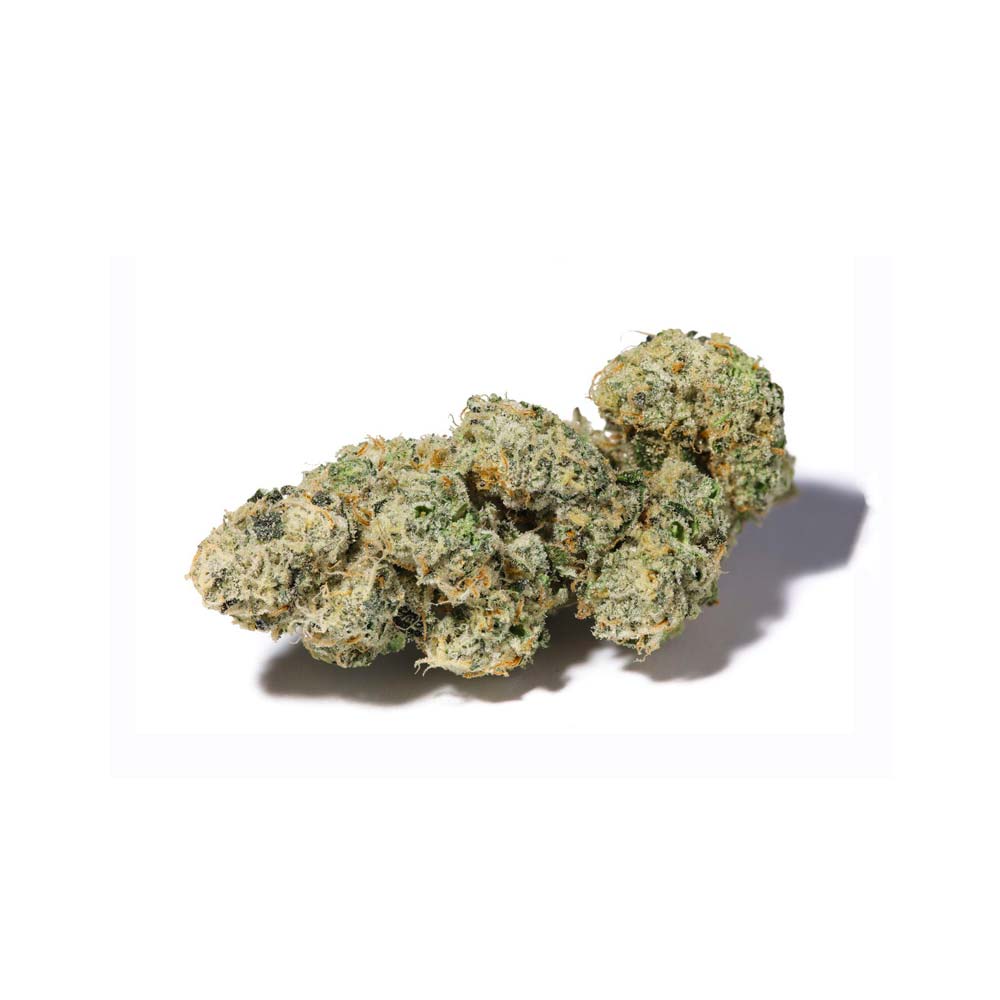
While UK medical cannabis products are typically standardised pharmaceutical preparations rather than named street strains, understanding cannabinoid profiles remains important. Blue Dream, known for its balanced THC and CBD content, traditionally produces uplifting and calming effects without overwhelming sedation, potentially benefiting PTSD patients who need to maintain functionality while managing symptoms. Its reported ability to reduce anxiety while providing gentle euphoria may help some patients.
Northern Lights, a predominantly indica-dominant strain, offers higher relaxation properties and may benefit patients struggling with sleep disturbances and hyperarousal—common PTSD symptoms. Its reported mild analgesic properties could also address pain commonly associated with trauma.
In UK medical practice, however, prescribed products are typically available as standardised oils or capsules with precise THC:CBD ratios rather than whole plant buds. Products are often available with lower THC concentrations (3-10%) combined with CBD, or CBD-dominant formulations (8-20% CBD with minimal THC), tailored to individual patient tolerance and needs.
Access for Veterans
Veterans comprise a significant proportion of PTSD patients in the UK, and several organisations specifically support military personnel seeking medical cannabis. Veterans’ charities and advocacy groups have increasingly raised awareness about cannabis as a potential treatment option. The Royal British Legion and other veterans’ organisations provide information and support for those navigating the healthcare system.
Some private best UK cannabis clinics have developed particular expertise in treating veterans, recognising the unique presentation of military-related PTSD. However, costs are significant—private consultations typically range from £150-300, with ongoing prescriptions costing £100-300 monthly depending on product strength and quantity. NHS access remains limited, though some specialist NHS clinics now consider cannabis for PTSD in appropriate cases.
How to Obtain a Prescription
Obtaining medical cannabis in the UK requires navigating a specific process. Patients cannot simply request cannabis from their GP; instead, they must either:
Access NHS Specialist Services: Some NHS trusts have specialist best UK cannabis clinics, though availability is limited and geographical. Referral typically requires evidence that conventional treatments have been tried. Patients should discuss PTSD treatment with their GP, who can refer to appropriate services.
Use Private best UK cannabis clinics: Private clinics such as Sapphire Medical Clinics, Dispensary Green, and others offer faster access, typically requiring an initial consultation where medical history and previous treatments are reviewed. Following assessment, patients can receive prescriptions dispensed through licensed pharmacies.
Key Steps Include: Gathering medical records documenting PTSD diagnosis and previous treatment attempts; booking an initial consultation with a registered specialist; undergoing assessment to determine suitability; receiving a private prescription if approved; collecting medication from a designated pharmacy; and attending follow-up appointments to monitor treatment efficacy and adjust dosing.
Conclusion
Medical cannabis represents an emerging option for PTSD patients in the UK, though evidence remains developing. For veterans and civilians with treatment-resistant PTSD, it may offer symptom relief when conventional approaches prove insufficient. Understanding strain profiles, accessing appropriate specialist care, and following proper medical protocols ensures safe, effective treatment within the UK’s legal framework.