
Medical Cannabis Dosing for MS Spasticity: A UK Patient Guide
Understanding MS Spasticity
Multiple sclerosis affects the nervous system, causing inflammation and damage to nerve fibres. One of the most common and debilitating symptoms is spasticity – involuntary muscle tightness and stiffness that can cause pain, restricted movement, and sleep disturbances. Spasticity affects approximately 80% of people with MS at some point, significantly impacting quality of life and functional ability.
Traditional treatments include physiotherapy, muscle relaxants like baclofen, and tizanidine. However, these medications don’t work effectively for everyone and can cause side effects. This is where medical cannabis has emerged as a potential therapeutic option with increasing evidence supporting its use for MS-related spasticity.
Sativex: The Approved Treatment in the UK
Sativex (nabiximols) is currently the only cannabis-based medication licensed for prescription in the UK specifically for MS spasticity. It’s an oromucosal spray containing a balanced ratio of cannabidiol (CBD) and tetrahydrocannabinol (THC) in a 1:1 ratio. Each spray delivers approximately 2.7mg CBD and 2.7mg THC.
Sativex received approval from the National Institute for Health and Care Excellence (NICE) as a treatment option for patients who have not responded adequately to other spasticity treatments. It’s available on the NHS in select specialist centres across the UK, though access varies by region and clinical commissioning group.
Beyond Sativex, some specialists now prescribe other cannabis products containing varying ratios of CBD and THC, though availability and accessibility remain limited. For comprehensive information about accessing medical cannabis in the UK, see our guide on getting a cannabis prescription in the UK.
The UK Prescribing Approach: Start Low, Go Slow
UK specialists follow a cautious, evidence-based approach to cannabis dosing summarised by the principle “start low, go slow.” This means beginning with the lowest effective dose and gradually increasing only when necessary and tolerated. This approach minimises side effects, reduces the risk of tolerance development, and allows patients to find their optimal therapeutic window.
Your prescribing specialist will typically begin with a baseline assessment of your spasticity severity, current medications, medical history, and any previous cannabis experience. They’ll establish a starting dose and provide clear guidance on titration protocols specific to your treatment plan.
Typical Dose Ranges for MS Spasticity
Dose ranges for medical cannabis vary depending on the product, individual tolerance, and treatment response. Here are typical parameters for MS spasticity:
Sativex Oromucosal Spray
Starting dose: 1-2 sprays daily, typically in the evening to monitor tolerability. Each spray contains 2.7mg CBD and 2.7mg THC.
Maintenance range: 4-12 sprays daily, divided across multiple doses (often morning and evening). This equates to approximately 11-32mg CBD and 11-32mg THC daily.
Maximum recommended: Some patients use up to 12 sprays daily, though most find optimal benefit at 6-8 sprays daily.
CBD-Dominant Products
Some specialists prescribe higher CBD:THC ratio products. Typical doses range from 200-400mg CBD daily, often combined with lower THC content (5-50mg daily), depending on the formulation and patient response.
Balanced Ratio Products
Products with 1:1 CBD:THC ratios typically range from 10-30mg of each cannabinoid daily, though some patients tolerate higher doses.
Routes of Administration
Oromucosal Spray (Sativex)
The spray is applied directly to the inside of the mouth, delivering cannabinoids through the oral mucosa. Onset typically occurs within 15-30 minutes, with peak effects around 2 hours. This method provides consistent dosing, is discreet, and requires no additional equipment.
Oils and Tinctures
Medical cannabis oils can be taken sublingually (under the tongue) or added to food. Dosing is more flexible than spray formulations. Onset is slower (30-90 minutes) but effects generally last longer (4-8 hours).
Flower (Herbal Cannabis)
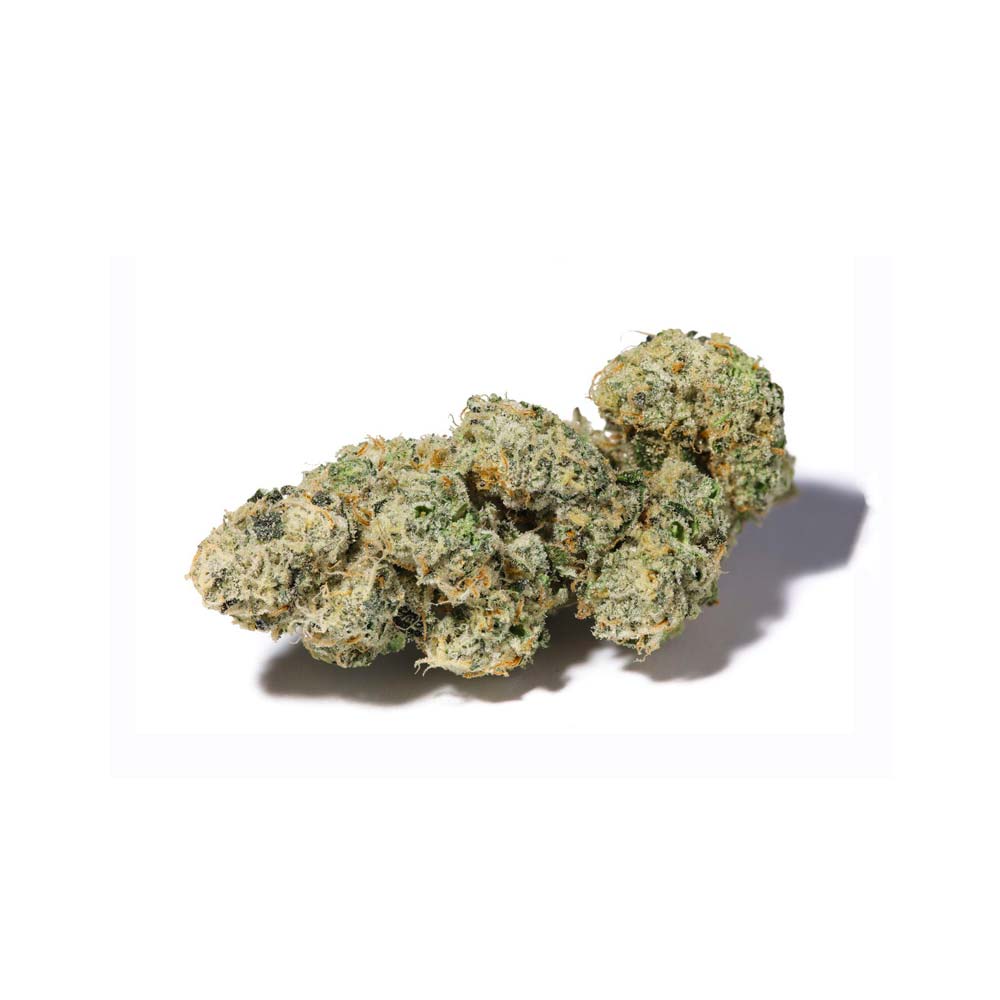
Some specialists prescribe dried flower for vaporisation or other consumption methods. Vaporising provides faster onset (5-15 minutes) and shorter duration. This route allows more flexible dosing but requires appropriate equipment and carries slightly more variable cannabinoid delivery.
Titration and Dose Adjustment
Effective titration is crucial for finding your optimal dose. Your best UK cannabis clinics will typically recommend:
- Weekly adjustments: Increase dose by small increments (0.5-1 spray or equivalent) every 3-7 days based on tolerance and symptom response
- Monitoring period: Allow at least 3-5 days at each dose level to assess effectiveness before increasing
- Response assessment: Keep a symptom diary noting spasticity severity, pain, mobility, sleep quality, and any side effects
- Plateau identification: Once symptom improvement plateaus, maintain that dose rather than continuing to increase
- Timing optimisation: Adjust timing of doses to align with your daily schedule and when spasticity is most problematic
Most patients find their optimal dose within 4-8 weeks, though some require longer titration periods.
When to Speak with Your UK best UK cannabis clinics
Maintain regular contact with your prescribing specialist, particularly during titration. Contact them if you experience:
- Significant side effects (dizziness, confusion, mood changes, fatigue)
- No improvement in spasticity after adequate titration
- Declining effectiveness (tolerance development)
- Changes in other medications that might interact with cannabis
- New or worsening symptoms
- Concerns about dependency or any aspect of treatment
Regular follow-up appointments (typically monthly initially, then quarterly) ensure safe, effective treatment.
Legal and Prescribing Context in the UK
Medical cannabis became legal to prescribe in the UK in November 2018, though prescription access remains restricted and carefully regulated. Only specialist doctors in approved settings can prescribe. Cannabis remains a controlled substance, and possession without a valid prescription is illegal.
For detailed information about the UK legal framework and prescription pathways, consult our comprehensive guide on medical cannabis in the UK.
Medical Disclaimer
Important: This guide is for educational purposes only and does not constitute medical advice. Medical cannabis dosing must be individualised and managed by qualified healthcare professionals. Never adjust doses without professional guidance. This information is current as of publication but medical guidance and availability may change. Always discuss treatment options, risks, and benefits with your specialist neurologist or prescribing doctor before commencing or adjusting medical cannabis treatment. If you experience serious adverse effects, seek immediate medical attention.