
Cannabis Dosing for Arthritis: A UK Patient Guide
Medical Disclaimer
This guide is for educational purposes only and does not constitute medical advice. Cannabis-based products for medicinal use remain prescription-only medications in the UK. Always consult your doctor, rheumatologist, or specialist before starting any cannabis treatment. Individual responses vary significantly, and dosing must be personalised by a qualified healthcare professional. Do not adjust prescriptions without medical supervision.
Understanding Arthritis and Cannabis Treatment
Arthritis affects millions of people across the UK, with osteoarthritis (OA) and rheumatoid arthritis (RA) being the most common forms. Osteoarthritis develops through wear and tear of joint cartilage, typically affecting older patients and those with previous injuries. Rheumatoid arthritis is an autoimmune condition where the immune system attacks joint linings, causing inflammation, pain, and potential disability if left untreated.
Both conditions cause joint pain, stiffness, swelling, and inflammation. Traditional treatments include NSAIDs, corticosteroids, and DMARDs (disease-modifying antirheumatic drugs) for RA. However, some patients experience insufficient pain relief, side effects, or treatment resistance. This is where cannabis-based medicinal products (CBMPs) may offer additional benefit, particularly for inflammation management and pain relief.
Research suggests cannabinoids possess anti-inflammatory and analgesic properties that may complement conventional arthritis treatments. For more information on accessing these treatments legally, see our guide on medical cannabis UK.
The UK Prescribing Approach: Start Low, Go Slow
UK specialists follow a conservative “start low, go slow” titration protocol for cannabis-based medicines. This approach prioritises safety, minimises side effects, and allows patients to find their optimal therapeutic dose. Rather than starting at standard doses used in other countries, UK best UK cannabis clinics typically begin with minimal quantities and gradually increase based on patient response and tolerability.
This cautious method is particularly important for arthritis patients, many of whom are older, take multiple medications, or have comorbidities. The slow titration period usually spans 4-12 weeks, allowing healthcare providers to monitor efficacy and adjust dosing accordingly. During this time, patients should maintain regular contact with their best UK cannabis clinics and document symptom changes meticulously.
CBD and THC Dose Ranges for Arthritis
Cannabidiol (CBD) and tetrahydrocannabinol (THC) are the primary active compounds in cannabis medicines. CBD is non-intoxicating and particularly valued for anti-inflammatory effects, while THC provides analgesic and muscle-relaxing properties but produces intoxication at higher doses.
CBD Dosing: Initial doses typically range from 5-10mg daily, increasing by 5-10mg every 3-7 days until therapeutic benefit is achieved. Many arthritis patients find effective relief between 50-200mg daily CBD. Some may require up to 300-400mg daily, though this is less common.
THC Dosing: Initial doses are much lower, often 1-2.5mg daily, increased gradually by 1-2mg every week or fortnight. Therapeutic ranges for pain relief typically fall between 5-20mg daily, though individual variation is substantial. Higher doses increase intoxication risk and side effects without necessarily improving arthritis outcomes.
CBD:THC Ratios: Many arthritis patients benefit from products emphasising CBD with modest THC ratios (such as 20:1 or 10:1), providing anti-inflammatory benefits with minimal intoxication. Some prefer pure CBD products, while others find balanced ratios (1:1) more effective for pain.
Routes of Administration
Oils and Tinctures: Sublingual oils offer precise dosing control and flexible titration. Effects typically develop within 15-45 minutes, with duration of 4-8 hours. This route suits patients needing adjustable doses.
Topical Products: Creams, balms, and patches deliver cannabinoids directly to affected joints without systemic absorption. While minimal THC enters the bloodstream, topicals provide localised anti-inflammatory and analgesic effects. These are ideal for targeting specific arthritic joints.
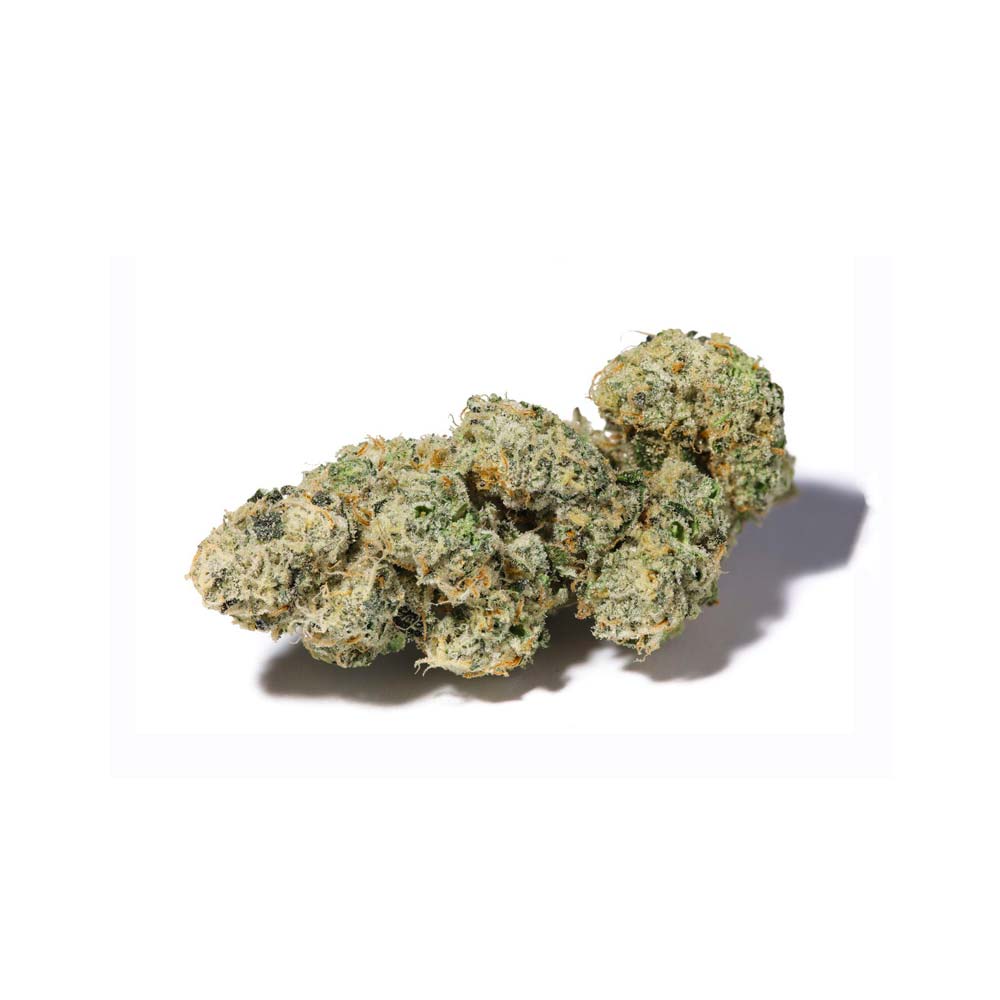
Flower (Inhaled): Medical cannabis flower allows rapid symptom relief within minutes, with effects lasting 2-4 hours. However, inhalation carries respiratory considerations. This route suits breakthrough pain episodes rather than consistent arthritis management.
Capsules: Oral capsules provide consistent, measured doses but slower onset (45 minutes to 2 hours) and longer duration (6-8 hours). They suit patients preferring straightforward administration without measuring doses.
Titration Advice for Arthritis Patients
Begin with the lowest recommended dose of your prescribed product. Maintain this dose for 3-7 days, documenting joint pain, stiffness, inflammation, and any side effects daily. If insufficient benefit appears and no adverse effects occur, increase by the smallest increment your formulation allows.
Increase frequency or dose gradually—typically one variable at a time. For example, increase daily CBD dose before adding THC, or add a second daily dose before increasing individual doses. Keep detailed records noting timing, symptoms, side effects, and concurrent medications.
Expect 4-12 weeks before reaching optimal dosing for arthritis. Some patients benefit from higher daytime CBD doses with evening THC addition for sleep quality. Others prefer consistent throughout-the-day dosing. Your best UK cannabis clinics will adjust the regimen based on your specific response pattern.
Anti-Inflammatory Properties and Arthritis Relief
CBD and THC both demonstrate anti-inflammatory mechanisms. CBD activates serotonin receptors and suppresses pro-inflammatory cytokine production, whilst THC modulates immune responses through CB2 receptor activation in immune cells. Together, these compounds may reduce joint inflammation underlying both osteoarthritis and rheumatoid arthritis.
Unlike NSAIDs, cannabinoids don’t inhibit COX enzymes, offering an alternative mechanism for inflammation management in patients experiencing NSAID side effects or contraindications. Studies suggest cannabis medicines may slow inflammatory disease progression in RA, though evidence remains developing.
When to Contact Your UK best UK cannabis clinics or Rheumatologist
Contact your healthcare provider if you experience severe side effects (anxiety, dizziness, rapid heartbeat), if symptoms worsen despite titration, if you develop new symptoms, or if you’re concerned about drug interactions with existing medications. Report lack of improvement after 8-12 weeks of consistent dosing, or if you wish to discontinue treatment.
Additionally, inform your rheumatologist immediately if you plan starting cannabis medicines, as they may influence other arthritis medications or require adjusted monitoring. For guidance on obtaining prescriptions, see our page on getting a cannabis prescription UK.
UK Legal Status and Prescribing Requirements
In the UK, cannabis-based medicinal products remain prescription-only medicines. Illegal possession of cannabis without a valid prescription carries serious legal consequences. Only registered healthcare providers can legally prescribe CBMPs, typically neurologists, rheumatologists, or specialist pain clinicians. Patients cannot legally obtain cannabis from unlicensed sources, regardless of claimed medical benefits.
Conclusion
Cannabis-based medicines represent an emerging option for UK arthritis patients seeking additional pain relief and inflammation management. The “start low, go slow” approach prioritises safety whilst identifying effective personalised doses. Success requires patience, detailed symptom tracking, and close collaboration with your prescribing healthcare team. Always consult your doctor before beginning treatment and maintain regular medical supervision throughout your cannabis medicine journey.