
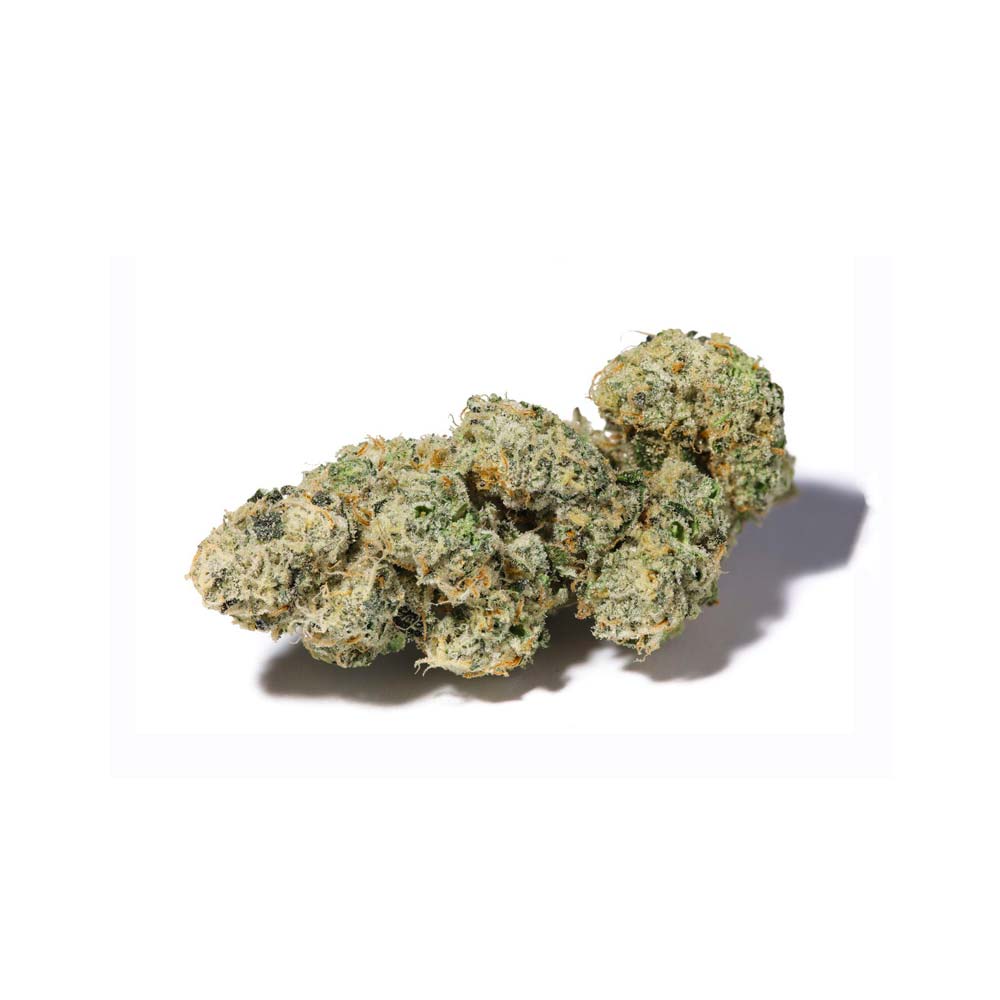
Cannabis Terpenes: A Comprehensive Guide for UK Medical Patients
Cannabis contains hundreds of compounds that work together to produce its therapeutic and sensory effects. Amongst these, terpenes are aromatic molecules responsible for the distinctive flavours, aromas, and many of the medicinal benefits associated with different cannabis strains. For UK medical cannabis patients, understanding terpenes is crucial when selecting strains tailored to their specific health needs. This guide explores the main terpenes found in medical cannabis and their relevance to your treatment journey.
What Are Terpenes?
Terpenes are volatile organic compounds found throughout nature—in plants, flowers, and fruits. In cannabis, these compounds contribute significantly to the plant’s aroma and flavour profile whilst also interacting with cannabinoids like THC and CBD to produce varying therapeutic effects. There are over 100 different terpenes in cannabis, though certain profiles appear more frequently and have been more extensively researched.
The concentration and combination of terpenes varies between strains, meaning that two cannabis products with identical THC and CBD levels may produce entirely different effects based on their terpene profiles. This is why terpene analysis has become increasingly important for medical cannabis prescriptions in the UK.
The Seven Main Medical Cannabis Terpenes
Myrcene is the most abundant terpene in most cannabis strains and is also found in mangoes, lemongrass, and hops. It has an earthy, herbal aroma and is well-known for its sedative and relaxing properties.
- Sedation and relaxation
- Pain relief and anti-inflammatory properties
- Muscle tension relief
- Sleep support
- Anxiety reduction
Medical Applications: Myrcene-dominant strains are particularly beneficial for patients with chronic pain, insomnia, muscle spasticity, and anxiety disorders.
Found prominently in citrus peels, limonene provides a bright, citrusy aroma and is recognised for its mood-enhancing and energising properties. This terpene interacts beneficially with the endocannabinoid system to produce uplifting effects.
- Mood elevation and anti-depression benefits
- Energy and focus enhancement
- Stress relief
- Antibacterial and anti-fungal properties
- Improved mental clarity
Medical Applications: Ideal for patients experiencing depression, fatigue, and lack of motivation. Particularly useful for daytime medicinal use.
Caryophyllene is unique amongst terpenes because it can directly interact with cannabinoid receptors. It’s found in black pepper, cloves, and cannabis, producing a spicy, peppery aroma. This terpene has gained significant attention in UK medical cannabis research.
- Anti-inflammatory action
- Pain management
- Anxiety and stress reduction
- Potential neuroprotection
- Gastrointestinal support
Medical Applications: Particularly valuable for inflammatory conditions, arthritis, neuropathic pain, and patients seeking alternatives to traditional anti-inflammatory medications.
Linalool is the primary terpene in lavender and is renowned for its floral, slightly sweet aroma. It’s one of the most research-supported terpenes for anxiolytic effects and is well-established in traditional medicine.
- Anxiety reduction
- Sedation and sleep support
- Anti-seizure potential
- Pain relief
- Mood stabilisation
Medical Applications: Excellent for anxiety disorders, insomnia, PTSD, and seizure management. Often preferred by patients seeking gentle, well-tolerated relief.
Pinene, as its name suggests, is found in pine needles and coniferous forests. It produces a fresh, piney aroma and is known for promoting alertness and cognitive function. It’s one of the most common terpenes in nature.
- Enhanced focus and mental clarity
- Memory support
- Energy and motivation
- Bronchodilation (airway opening)
- Anti-inflammatory benefits
Medical Applications: Beneficial for patients with ADHD, cognitive fatigue, and those requiring daytime medicinal use without sedation. May help counteract drowsiness associated with other terpenes.
Humulene is found in hops and contributes to beer’s flavour profile. It produces a woody, earthy, slightly spicy aroma and is often present alongside caryophyllene, though typically in lower concentrations.
- Appetite suppression
- Anti-inflammatory properties
- Antibacterial benefits
- Potential tumour-fighting properties (early research)
- Mood enhancement
Medical Applications: Useful for patients seeking weight management or those with inflammatory conditions. Often works synergistically with other terpenes rather than as a primary driver of effects.
Terpinolene is a less abundant terpene that provides a fresh, herbal, slightly floral aroma with notes of pine and citrus. It’s often considered a “top note” in the terpene profile.
- Sedation and relaxation (in conjunction with other terpenes)
- Antioxidant properties
- Potential anti-cancer benefits (early research)
- Antibacterial and anti-fungal action
- Mood support
Medical Applications: Often appears in strains with complex terpene profiles offering balanced effects. Useful for patients seeking broad-spectrum therapeutic benefits.
The Entourage Effect: Why Terpenes Matter
Rather than relying solely on THC or CBD percentages, the most effective medical cannabis prescriptions consider the complete chemical profile. A strain with 15% CBD and a myrcene-dominant terpene profile will produce significantly different effects than a strain with identical cannabinoid levels but a limonene-dominant profile.
For UK medical patients, this means that your ideal strain depends not just on the condition being treated, but on your individual response to specific terpene combinations. This is why specialist cannabis consultants increasingly recommend terpene-informed prescribing.
Terpenes and UK Medical Cannabis: Practical Relevance for Patients
Choosing Strains Based on Your Needs
- For Pain Management: Look for strains high in myrcene and caryophyllene
- For Anxiety and Sleep: Prioritise linalool and myrcene-dominant profiles
- For Daytime Use/Focus: Seek pinene and limonene-rich strains
- For Inflammation: Choose caryophyllene and humulene combinations
- For Mood Disorders: Limonene and linalool profiles prove most beneficial
Working with Your best UK cannabis clinics
When discussing cannabis prescriptions with your NHS or private best UK cannabis clinics in the UK, ask for terpene profiles alongside cannabinoid analysis. Legitimate medical cannabis providers should supply detailed laboratory reports indicating terpene concentrations. This information allows for evidence-based strain selection tailored to your specific condition and lifestyle.
Keep detailed notes about how different strains affect you, noting not just symptom relief but also subjective experiences. This feedback helps your best UK cannabis clinics refine recommendations over time.
Final Considerations
Understanding cannabis terpenes represents a significant advancement in medical cannabis treatment. As a UK patient, you’re now in a position to make informed decisions about your treatment, moving beyond simply THC:CBD ratios to consider the complete chemical fingerprint of your medicine. With an ever-growing body of research supporting terpene efficacy, personalised, terpene-informed prescribing represents the future of cannabis medicine in the United Kingdom.