
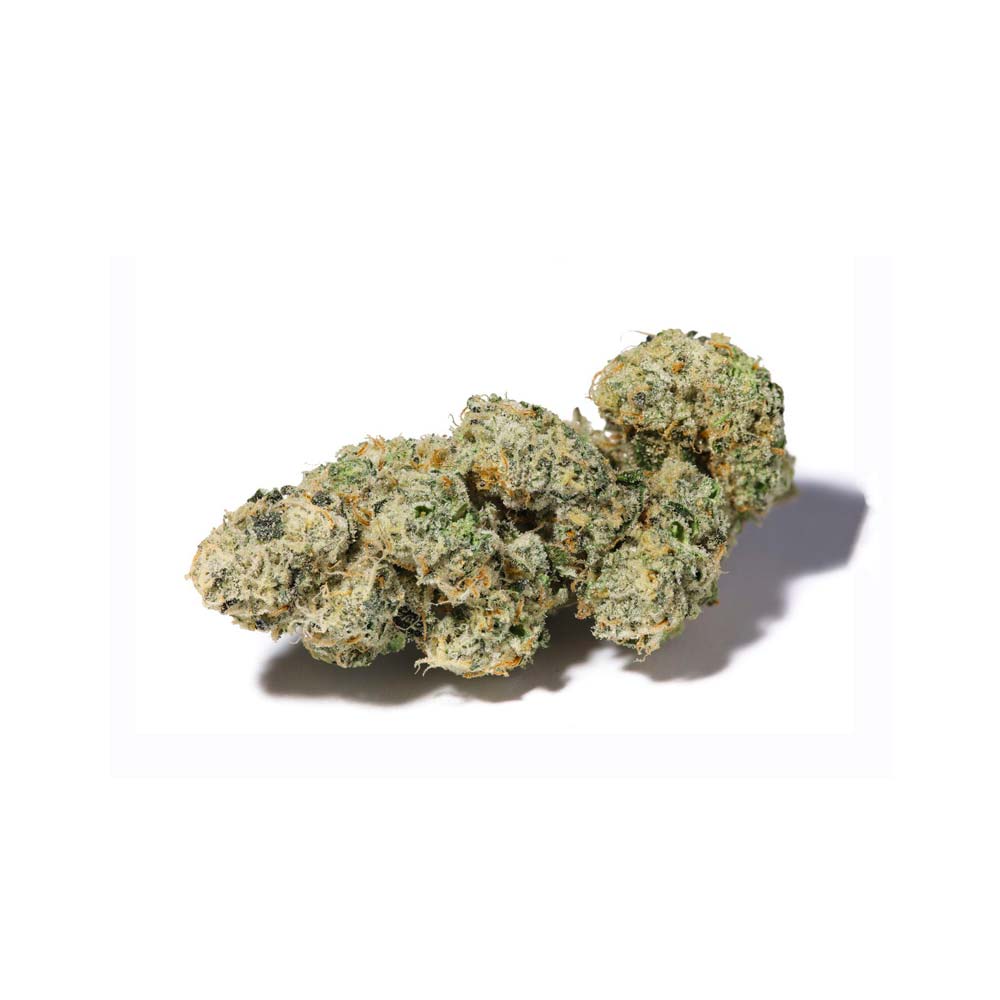
Cannabis and Asthma UK: Can Patients Use Cannabis?
The relationship between cannabis and asthma remains a complex and often misunderstood topic in the United Kingdom. As medical cannabis becomes increasingly legal for certain conditions, many asthma sufferers are questioning whether cannabis could benefit their symptoms or worsen their condition. This comprehensive guide explores the evidence, risks, and current regulations surrounding cannabis use for asthma patients in the UK.
Understanding Asthma in the UK
Asthma affects approximately 8 million people in the United Kingdom, with around 5.4 million currently receiving treatment. The condition causes inflammation and narrowing of the airways, leading to symptoms such as wheezing, breathlessness, chest tightness, and coughing. For many sufferers, asthma attacks can be severe and potentially life-threatening.
Traditional asthma management in the UK typically involves inhaled corticosteroids, beta-2 agonists, and other bronchodilators prescribed through the NHS. However, some patients remain poorly controlled on these standard treatments, leading them to explore alternative options.
The Cannabis Question: Potential Benefits
Proponents of cannabis for asthma suggest that certain cannabinoids, particularly cannabidiol (CBD) and tetrahydrocannabinol (THC), may possess anti-inflammatory and bronchodilatory properties. Some studies indicate that cannabis compounds could theoretically reduce airway inflammation associated with asthma.
Research published in the European Journal of Pharmacology suggests that cannabinoids may help relax bronchial smooth muscle and reduce inflammatory responses. Additionally, CBD has demonstrated anti-anxiety properties, which could benefit patients whose asthma is triggered or exacerbated by stress and anxiety.
A 2019 survey found that approximately 10% of UK cannabis users cited respiratory conditions as their reason for use, suggesting anecdotal interest in this area.
The Real Risks: Why Smoking Cannabis Can Harm Asthma
Despite potential benefits from cannabinoids themselves, smoking cannabis presents significant risks for asthma patients. The act of smoking—regardless of substance—irritates the airways and triggers inflammation. Research indicates that smoking cannabis can:
- Increase airway resistance and obstruction
- Trigger acute asthma attacks and exacerbations
- Cause chronic bronchitis and persistent coughing
- Reduce lung function over time
- Increase susceptibility to respiratory infections
A study in Respiratory Medicine found that cannabis smokers with asthma experienced significantly more frequent respiratory symptoms compared to non-smoking asthma patients. The combustion process produces toxic byproducts that irritate sensitive airways.
Cannabis Consumption Methods Matter
For asthma sufferers interested in cannabis, the method of consumption is crucial. Smoking is definitively contraindicated. However, other delivery methods might present lower risks:
Vaping: While less harmful than smoking, vaping still involves inhaling aerosols that can irritate airways. Asthma patients should approach this cautiously and ideally under medical supervision.
Oral Products: Oils, capsules, edibles, and sublingual products bypass the respiratory system entirely, eliminating direct airway irritation. These represent the safest option for asthma sufferers if cannabis use is considered.
Topical Products: Cannabis-infused creams and balms present no respiratory risks, though they won’t address systemic asthma symptoms.
Medical Cannabis Regulations in the UK
Since November 2018, medical cannabis has been legal in the UK for patients with specific conditions when prescribed by a consultant. However, asthma is not currently listed as an approved indication for medical cannabis by the NHS or the Medicines and Healthcare products Regulatory Agency (MHRA).
To access legal medical cannabis in the UK, patients typically require:
- A diagnosis of an approved condition (epilepsy, multiple sclerosis, chemotherapy-related nausea)
- Failure of conventional treatments
- Prescription from a specialist doctor
- Regular monitoring and follow-up care
Asthma patients cannot legally access NHS-prescribed medical cannabis. Private specialists may consider cannabis for asthma, but this remains experimental and expensive.
Drug Interactions and Safety Concerns
Cannabis can interact with common asthma medications. Corticosteroids and cannabinoids both affect immune function, potentially creating unpredictable interactions. Additionally, cannabis can increase heart rate and blood pressure, which may complicate asthma management.
The sedative effects of THC might mask respiratory symptoms, delaying recognition of worsening asthma control. Patients with brittle or poorly controlled asthma face particular risks.
What Research Currently Shows
Evidence specifically examining cannabis for asthma treatment remains limited. Most studies focus on cannabinoids in isolation rather than whole-plant cannabis products. The British Thoracic Society has not recommended cannabis for asthma management, citing insufficient evidence and safety concerns.
A 2020 review in Cannabis and Cannabinoid Research concluded that whilst cannabinoids warrant further investigation, current evidence does not support routine cannabis use for asthma patients.
Practical Advice for UK Asthma Patients
Avoid Smoking: If you have asthma, never smoke cannabis. The airway irritation outweighs any potential therapeutic benefits.
Discuss with Your Doctor: Always inform your GP or respiratory consultant about any cannabis use or interest. They can monitor your asthma control and identify any interactions or complications.
Optimise Standard Treatment: Ensure your conventional asthma management is optimised before considering cannabis. Many patients achieve excellent control with existing therapies.
Consider Stress Management: If anxiety triggers your asthma, explore evidence-based alternatives such as cognitive behavioural therapy, breathing exercises, or meditation rather than cannabis.
Monitor Symptoms Closely: If you do use cannabis products, keep detailed records of asthma symptoms, peak flow readings, and medication requirements.
Conclusion
Whilst cannabinoids theoretically possess anti-inflammatory properties, cannabis and asthma remain a problematic combination in the UK. Smoking cannabis significantly worsens asthma control and triggers attacks. Legal medical cannabis is unavailable on the NHS for asthma, and evidence supporting its use remains insufficient.
Asthma patients should focus on optimising conventional treatments and discussing any cannabis interest with healthcare providers. For those with poorly controlled asthma despite standard therapy, specialist respiratory consultation represents a better option than self-medicating with cannabis. Until robust clinical evidence emerges and regulatory approval is granted, cannabis cannot be recommended as an asthma treatment in the UK.
Further Reading
- How to Get a Cannabis Prescription in the UK — Step by Step
- Best Cannabis Strains for Parkinson's UK