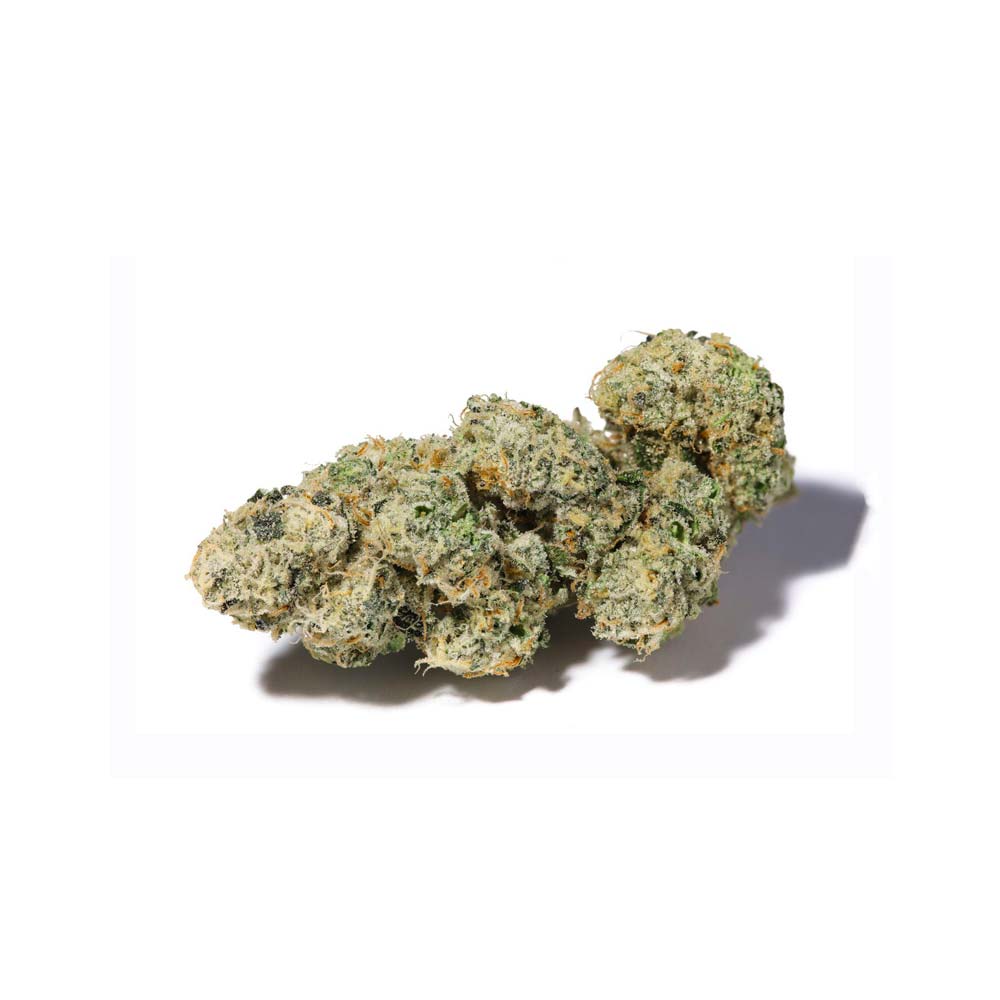
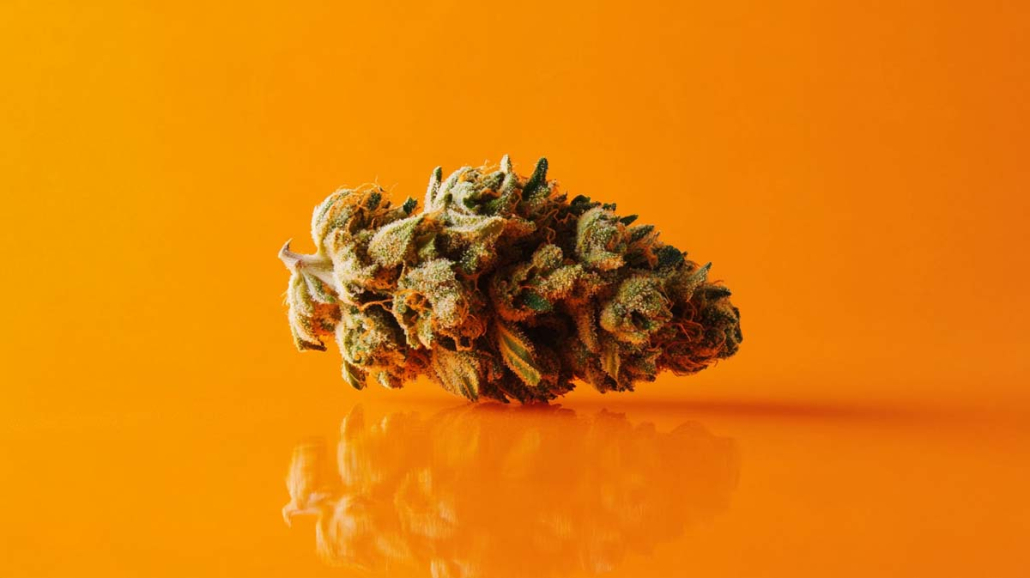
Post-traumatic stress disorder (PTSD) affects thousands of UK residents, causing persistent anxiety, intrusive memories, nightmares, and hypervigilance. Traditional treatments including cognitive behavioural therapy and selective serotonin reuptake inhibitors (SSRIs) help many patients, but some experience limited relief or significant side effects. Medical cannabis has emerged as a complementary option, with growing evidence supporting its therapeutic potential for trauma-related symptoms.
The human brain contains an endocannabinoid system comprising CB1 and CB2 receptors distributed throughout the central and peripheral nervous systems. This system regulates fear processing, emotional memory consolidation, and stress responses. When functioning optimally, the endocannabinoid system facilitates fear extinction, the neurobiological process by which traumatic memories lose emotional intensity.
Cannabis cannabinoids, particularly CBD and THC, interact with these receptors to modulate traumatic memory processing. Research published in therapeutic journals indicates that cannabinoids may enhance fear extinction learning, reduce amygdala hyperactivity responsible for exaggerated fear responses, and suppress REM sleep—the stage where nightmares occur. This triple action addresses core PTSD symptoms simultaneously.
Clinical evidence from US veterans and trauma survivors demonstrates that medical cannabis reduces nightmare frequency and intensity, alleviates hyperarousal symptoms, and decreases the emotional charge associated with traumatic memories without inducing the cognitive blunting sometimes caused by conventional medications.
Top Cannabis Strains for PTSD Relief
ACDC
ACDC stands out as the gold standard for PTSD treatment due to its exceptionally high CBD-to-THC ratio, typically 20:1. This strain delivers potent anxiolytic effects without psychoactive disturbance. Patients report rapid anxiety reduction, mental clarity, and improved sleep quality. ACDC’s high myrcene content enhances its calming properties and promotes physical relaxation essential for trauma recovery.
Harlequin
Harlequin maintains a balanced 5:2 CBD-to-THC ratio, offering symptom relief alongside subtle euphoria that can improve mood without overwhelming sensitivity. Rich in myrcene and pinene, this strain promotes alertness during the day while facilitating emotional processing. Many PTSD patients favour Harlequin for maintaining functional capacity while addressing trauma-related symptoms.
OG Kush contains moderate THC (19-25%) balanced with therapeutic CBD levels. Its potent myrcene and caryophyllene profile delivers immediate anxiety relief and muscle tension release—common PTSD manifestations. Evening use particularly benefits patients with hyperarousal and sleep disturbances. The strain’s relaxing properties facilitate deeper, more restorative sleep cycles.
Blue Dream
Blue Dream’s balanced sativa-dominant hybrid composition offers daytime symptom management without sedation. With moderate THC and CBD presence plus linalool terpenes, this strain reduces anxiety while maintaining cognitive function. Patients report improved emotional regulation and decreased intrusive thoughts, making it suitable for workplace or social settings.
Northern Lights
Northern Lights, a pure indica strain, produces profound relaxation through high myrcene content and moderate THC levels (16-21%). This strain excels at suppressing nightmares, quieting racing thoughts, and promoting restorative sleep. Its consistent cannabinoid profile makes dosing predictable, beneficial for patients requiring reliable symptom control.
Granddaddy Purple
Granddaddy Purple combines high THC with balanced CBD and distinctive myrcene-linalool profiles. This strain induces progressive relaxation, eases emotional tension, and promotes sleep onset. Its grape-like terpene profile creates a calming sensory experience that may enhance therapeutic benefits through aromatherapy mechanisms.
Cannatonic
Cannatonic maintains a 1:1 CBD-to-THC ratio, offering balanced benefits for patients tolerating minor psychoactive effects. This strain’s myrcene-rich composition combines physical relaxation with emotional evenness, supporting trauma processing during therapeutic sessions while preventing overwhelming anxiety.
Key Cannabinoids and Terpenes
CBD (cannabidiol) directly reduces anxiety, suppresses fear memory reconsolidation, and promotes neuroplasticity essential for trauma recovery. Unlike THC, CBD produces no intoxication, making it ideal for daytime use and professional settings. THC enhances fear extinction learning at moderate doses while reducing REM sleep disruption that causes nightmares.
Myrcene, the most abundant terpene in cannabis, crosses the blood-brain barrier efficiently and potentiates cannabinoid effects. Its sedative properties make myrcene-rich strains particularly valuable for sleep disturbances and nightmares. Linalool provides anxiolytic effects, muscle relaxation, and emotional balance supporting trauma processing.
Optimal PTSD treatment typically requires CBD-dominant or balanced CBD:THC strains (1:1 to 20:1 ratios). High-THC strains risk exacerbating anxiety in sensitive individuals, while CBD-only options may provide insufficient symptom relief. Individual response varies significantly based on trauma history, genetics, and endocannabinoid system function.
Accessing Medical Cannabis in the UK
Since November 2018, UK specialists can legally prescribe cannabis-based medicinal products for patients with unresponsive PTSD. However, NHS provision remains limited. Most PTSD patients access medical cannabis through private clinics specialising in cannabinoid therapeutics. To get a cannabis prescription, patients typically require formal PTSD diagnosis from a psychiatrist, documentation of failed conventional treatments, and consultation with cannabis-experienced clinicians.
Leading best UK cannabis clinics in the UK provide telemedicine consultations, strain recommendations tailored to individual symptom profiles, and ongoing monitoring. Reputable clinics coordinate with patients’ existing mental health providers, ensuring integrated care. Expect initial consultations to explore trauma history, current medications, and treatment goals before strain selection.
Dosing Approach and Safety
The cardinal principle of cannabis therapeutics is “start low, go slow.” PTSD patients typically begin with 2.5-5mg CBD daily, gradually increasing every 3-7 days based on symptom response. THC doses start at 1-2mg for individuals with THC sensitivity, increasing cautiously. Most therapeutic benefit emerges at modest doses; excessive amounts may paradoxically increase anxiety.
Consult your best UK cannabis clinics before combining cannabis with psychiatric medications, particularly SSRIs or benzodiazepines. While interactions appear minimal, individual variation exists. Maintain regular communication with your healthcare provider regarding symptom changes, side effects, and treatment efficacy.
Cannabis complements rather than replaces trauma-focused psychotherapy. Optimal PTSD management combines medication, psychological treatment, lifestyle modification, and social support. Your best UK cannabis clinics can recommend complementary approaches maximising long-term recovery.
Conclusion
Medical cannabis offers promising symptom relief for UK PTSD patients unresponsive to conventional treatments. ACDC, Harlequin, and other strategic strains target nightmare suppression, anxiety reduction, and fear extinction through specific cannabinoid and terpene profiles. Success requires individualised approach, professional guidance, and integration with comprehensive trauma treatment. Consult experienced clinicians to determine whether cannabis fits your recovery journey.
Medical Disclaimer: The information on this page is for educational purposes only and does not constitute medical advice. Always consult a licensed healthcare professional before starting any new treatment.
We may request cookies to be set on your device. We use cookies to let us know when you visit our websites, how you interact with us, to enrich your user experience, and to customize your relationship with our website.
Click on the different category headings to find out more. You can also change some of your preferences. Note that blocking some types of cookies may impact your experience on our websites and the services we are able to offer.
Essential Website Cookies
These cookies are strictly necessary to provide you with services available through our website and to use some of its features.
Because these cookies are strictly necessary to deliver the website, refusing them will have impact how our site functions. You always can block or delete cookies by changing your browser settings and force blocking all cookies on this website. But this will always prompt you to accept/refuse cookies when revisiting our site.
We fully respect if you want to refuse cookies but to avoid asking you again and again kindly allow us to store a cookie for that. You are free to opt out any time or opt in for other cookies to get a better experience. If you refuse cookies we will remove all set cookies in our domain.
We provide you with a list of stored cookies on your computer in our domain so you can check what we stored. Due to security reasons we are not able to show or modify cookies from other domains. You can check these in your browser security settings.
Google Analytics Cookies
These cookies collect information that is used either in aggregate form to help us understand how our website is being used or how effective our marketing campaigns are, or to help us customize our website and application for you in order to enhance your experience.
If you do not want that we track your visit to our site you can disable tracking in your browser here:
Other external services
We also use different external services like Google Webfonts, Google Maps, and external Video providers. Since these providers may collect personal data like your IP address we allow you to block them here. Please be aware that this might heavily reduce the functionality and appearance of our site. Changes will take effect once you reload the page.
Google Webfont Settings:
Google Map Settings:
Google reCaptcha Settings:
Vimeo and Youtube video embeds:
Other cookies
The following cookies are also needed - You can choose if you want to allow them:
Privacy Policy
You can read about our cookies and privacy settings in detail on our Privacy Policy Page.