
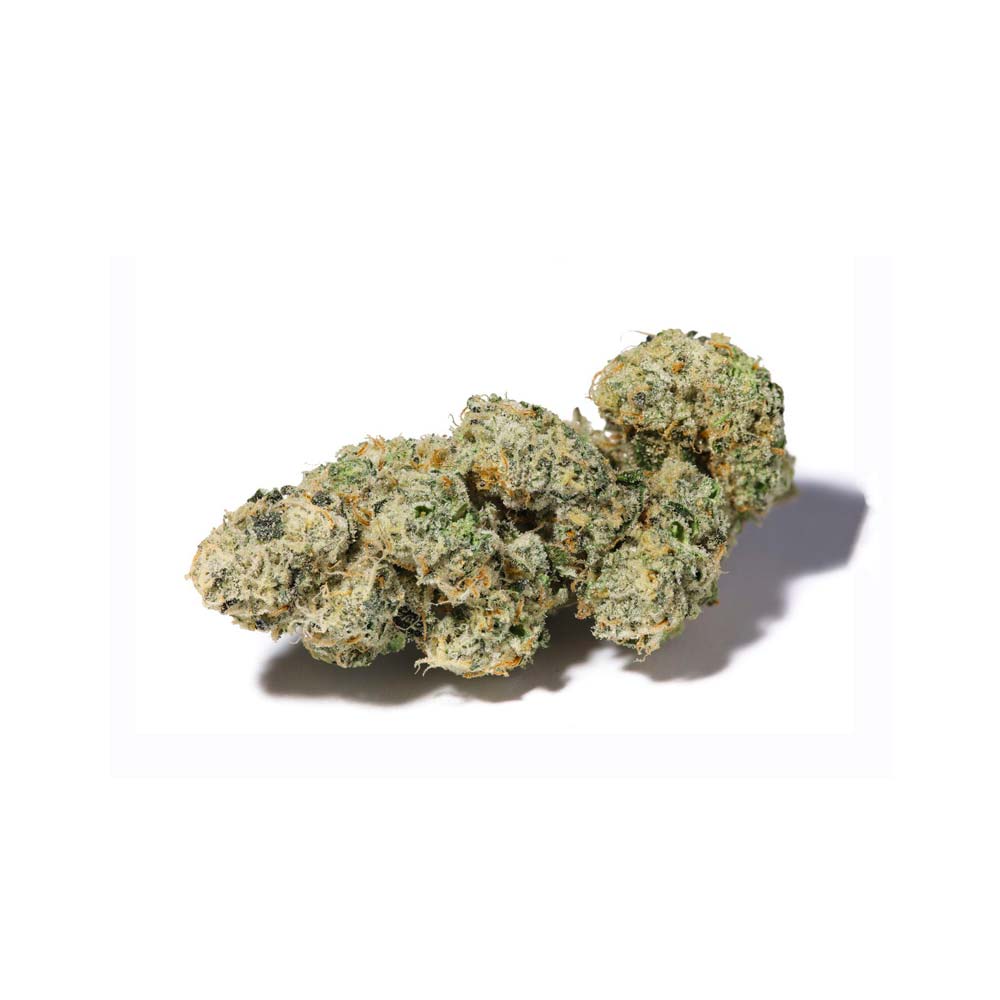
Medical Cannabis for Anxiety: UK Evidence and Patient Tips
Anxiety disorders affect millions of people across the United Kingdom, with many seeking alternative treatments when conventional medications prove ineffective or cause unwanted side effects. Medical cannabis has emerged as a potential therapeutic option, particularly for patients with generalized anxiety disorder (GAD), social anxiety, and post-traumatic stress disorder (PTSD). This guide explores the current clinical evidence, prescribing landscape, and practical considerations for using cannabis-based medicines to manage anxiety symptoms.
Understanding Anxiety Disorders in the UK
Anxiety disorders represent one of the most common mental health conditions in the United Kingdom. The Office for National Statistics indicates that approximately one in five adults experience anxiety symptoms at any given time. Several specific anxiety presentations have shown promise with medical cannabis treatment:
- Generalized Anxiety Disorder (GAD): Characterized by persistent worry across multiple life domains, affecting daily functioning and quality of life
- Social Anxiety Disorder: Involving intense fear of social situations and judgment from others, often leading to avoidance behaviors
- Post-Traumatic Stress Disorder (PTSD): Developing following exposure to traumatic events, featuring nightmares, hypervigilance, and intrusive memories
- Panic Disorder: Recurrent panic attacks accompanied by significant anxiety about future episodes
Traditional treatments including selective serotonin reuptake inhibitors (SSRIs) and cognitive behavioral therapy (CBT) remain first-line approaches. However, approximately 30 percent of patients experience inadequate symptom relief or intolerable side effects, creating demand for alternative therapeutic options.
Clinical Evidence for Medical Cannabis in Anxiety Treatment
The evidence base for medical cannabis in anxiety management continues to expand. Early preclinical research demonstrates that cannabinoids interact with the endocannabinoid system, which plays a crucial role in regulating anxiety responses and stress resilience. Neuroimaging studies show that certain cannabinoids can modulate activity in brain regions associated with fear processing and emotional regulation.
Systematic reviews and meta-analyses of human clinical trials indicate modest but meaningful anxiolytic effects, particularly with low-dose cannabidiol (CBD). A 2019 analysis published in the Journal of Clinical Medicine examined multiple randomized controlled trials and found evidence supporting CBD’s potential for various anxiety presentations. However, researchers note that many existing studies involve small sample sizes and varying methodologies, emphasizing the need for larger, well-designed trials.
Patient-reported outcomes from observational studies consistently show improvements in anxiety symptoms, sleep disturbance, and overall quality of life following medical cannabis initiation. These findings provide important support for clinical use, although controlled trials remain the gold standard for establishing efficacy.
CBD versus THC: Understanding the Anxiety Connection
The distinction between cannabidiol (CBD) and tetrahydrocannabinol (THC) is crucial when discussing anxiety management. CBD demonstrates anxiolytic properties without producing intoxication, making it the preferred cannabinoid for anxiety treatment. Research suggests CBD works through multiple mechanisms, including serotonin receptor activation and modulation of amygdala activity.
Conversely, THC can paradoxically worsen anxiety symptoms, particularly at higher doses. THC’s psychoactive properties may trigger or exacerbate anxiety, panic, and paranoia, especially in individuals with anxiety sensitivity or genetic predisposition to cannabis-related anxiety. Patients beginning medical cannabis for anxiety typically benefit from products with high CBD and low THC ratios, or CBD-dominant formulations.
The difference between high-THC and low-THC cannabis is particularly important. Products with THC concentrations exceeding 10 percent may pose greater risk for anxiety escalation compared to balanced or CBD-enriched formulations. Specialist best UK cannabis clinics routinely counsel patients about these distinctions and select appropriate products based on individual anxiety profiles.
UK Prescribing Approach for Anxiety
Medical cannabis prescribing in the United Kingdom remains tightly regulated following legalization for medical purposes in November 2018. Currently, only hospital-based specialists can legally prescribe cannabis-based medicines, with general practitioners unable to initiate treatment independently.
best UK cannabis clinics typically consider medical cannabis for anxiety when:
- Standard treatments including SSRIs and psychological therapies have proven ineffective or poorly tolerated
- Patients have tried multiple conventional medications without adequate relief
- Medical contraindications exist to first-line anxiety treatments
- Comorbid conditions may benefit from cannabis (such as chronic pain or sleep disturbance)
Access through the medical cannabis UK route typically involves referral to specialist clinics with expertise in endocannabinoid therapeutics. These clinics conduct comprehensive assessments, establish baseline symptom severity, and implement careful dose titration protocols.
Project Twenty21 and Anxiety Data
Project Twenty21 represents the UK’s largest real-world evidence initiative for medical cannabis. This observational study enrolled over 20,000 patients across multiple private clinics, providing invaluable data on treatment outcomes. Anxiety patients represented a significant proportion of the cohort, with results demonstrating consistent symptom improvements.
Data from Project Twenty21 shows anxiety patients experienced average symptom reduction of approximately 40-50 percent following three months of treatment. Patient quality-of-life scores improved substantially, with particular benefits observed for sleep disturbance and social functioning. The data also confirmed that CBD-dominant formulations produced better anxiety outcomes compared to balanced or THC-dominant products, validating clinical practice patterns.
Practical Patient Tips for Managing Anxiety with Cannabis
Successful anxiety management with medical cannabis requires thoughtful implementation and ongoing adjustment. Consider these practical strategies:
- Start low and go slow: Begin with minimal doses, titrating gradually while monitoring anxiety responses. This approach minimizes adverse effects and identifies optimal therapeutic dosing.
- Choose appropriate formulations: Select CBD-dominant products or high-CBD, low-THC ratios. Oils and capsules provide accurate dosing compared to herbal flowers.
- Maintain consistency: Regular daily dosing produces more stable anxiety control than sporadic use. Consistency helps establish therapeutic cannabinoid levels.
- Track symptoms: Keep detailed records of anxiety symptoms, triggers, and cannabis administration. This documentation helps clinicians optimize treatment.
- Combine with lifestyle modifications: Medical cannabis works best alongside exercise, meditation, sleep hygiene, and psychological support. Integrated approaches produce superior outcomes.
- Avoid THC-heavy products: Resist temptation toward higher-THC formulations despite potential cost savings. These products often worsen anxiety despite anxiolytic claims.
- Communicate openly: Regular contact with prescribing clinicians enables prompt identification of side effects and treatment refinement.
Dosing Strategies for Anxiety
Optimal anxiety dosing typically ranges from 5-20 mg daily CBD depending on individual factors including baseline anxiety severity, body weight, and prior cannabis exposure. Initial doses of 5 mg taken once or twice daily often provide benefits while minimizing side effects.
Dose titration should proceed slowly, with increases of 5 mg every 5-7 days based on symptom response. Some patients achieve maximum benefit at 10 mg daily, while others require 20-30 mg for adequate control. Finding the minimal effective dose optimizes symptom management while reducing costs and potential drug interactions.
Timing of administration can affect outcomes, with morning doses supporting daytime anxiety management and evening doses addressing sleep-related anxiety symptoms.
When Cannabis Is Not Appropriate for Anxiety
Medical cannabis may not suit all patients. Relative contraindications include:
- Personal or family history of psychotic disorders or schizophrenia
- Active substance use disorder or addiction risk
- Pregnancy or breastfeeding
- Significant hepatic or cardiac disease
- Concurrent medications with major drug interactions
- Inability to commit to ongoing specialist monitoring