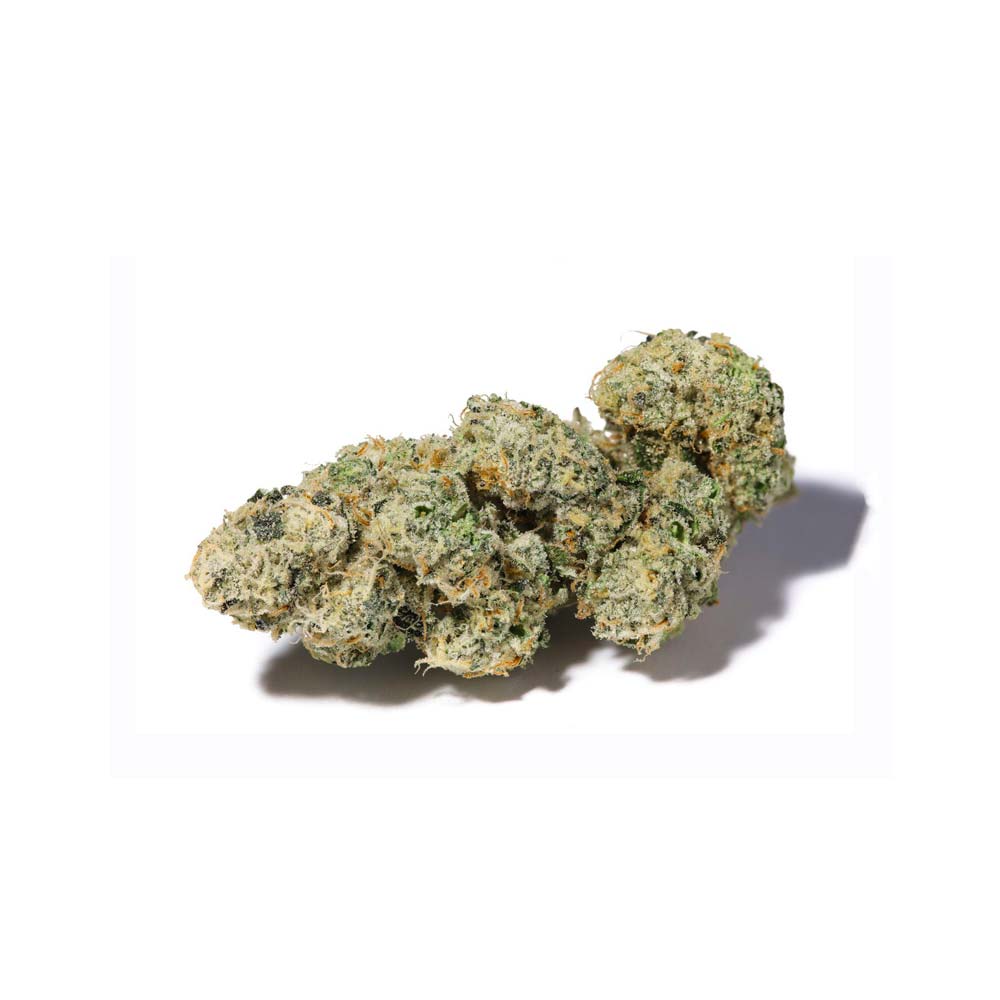
Beta-Caryophyllene: The CB2 Terpene & Pain Relief UK
Beta-Caryophyllene in Cannabis: A Comprehensive Guide for UK Medical Patients
Beta-caryophyllene (BCP) has emerged as one of the most therapeutically interesting compounds in cannabis, particularly for UK medical patients seeking evidence-based treatment options. This naturally occurring terpene offers a unique pharmacological profile that distinguishes it from other cannabis components, with documented anti-inflammatory, analgesic, and neuroprotective properties. Understanding beta-caryophyllene’s mechanisms of action and presence in high-caryophyllene cannabis strains can help medical patients optimise their treatment outcomes.
What is Beta-Caryophyllene and Where is it Found?
Beta-caryophyllene is a naturally occurring sesquiterpene—a volatile organic compound found extensively throughout the plant kingdom. This spicy, peppery-scented molecule is not unique to cannabis; it constitutes a significant portion of the aroma profiles of common culinary and medicinal plants that have been safely consumed for centuries.
The most notable natural sources of beta-caryophyllene include black pepper (the primary contributor to its pungent aroma), cloves, cinnamon, hops, rosemary, and cannabis itself. This widespread distribution across safe food plants suggests a well-established safety profile, even at higher concentrations than typically encountered in cannabis.
In cannabis, beta-caryophyllene concentration varies considerably between strains. Some cultivars produce 0.5% by weight, whilst others exceed 2%, making strain selection meaningful for patients seeking this particular terpene’s therapeutic benefits.
What distinguishes beta-caryophyllene from other cannabis terpenes is its ability to directly interact with the human endocannabinoid system. Unlike most terpenes that work through secondary mechanisms, beta-caryophyllene selectively binds to cannabinoid receptor type 2 (CB2) receptors, functioning similarly to cannabinoids like CBD and THC—though it is not a cannabinoid itself.
This CB2 receptor activation carries significant clinical implications. CB2 receptors are primarily expressed in immune cells and peripheral nervous tissue, making them particularly relevant for inflammatory and pain-related conditions. When beta-caryophyllene activates CB2 receptors, it triggers a cascade of anti-inflammatory signalling without the psychoactive effects associated with CB1 receptor activation.
Research has demonstrated that beta-caryophyllene exhibits potent anti-inflammatory properties through multiple pathways. It suppresses pro-inflammatory cytokine production and reduces inflammatory markers in various tissue types. Additionally, its analgesic effects have been documented in animal models, with some studies suggesting efficacy comparable to conventional painkillers for certain pain types.
Therapeutic Effects: Anti-inflammatory and Neuroprotective Benefits
For UK medical cannabis patients, beta-caryophyllene’s therapeutic potential extends across several significant conditions. The anti-inflammatory mechanism makes it particularly valuable for patients with arthritis, inflammatory bowel conditions, and systemic inflammatory diseases.
The neuroprotective properties of beta-caryophyllene have garnered considerable scientific interest. Studies indicate that CB2 receptor activation may provide protective effects against neuroinflammation and neurodegeneration. This suggests potential applications for patients with neurodegenerative conditions, though further clinical research remains necessary for definitive therapeutic recommendations.
Emerging evidence also suggests beta-caryophyllene may support addiction treatment protocols. Its interaction with CB2 receptors in the immune system and nervous tissue may modulate reward-related signalling and reduce withdrawal symptoms, though this remains an area of active research requiring clinical validation.
High-Caryophyllene Cannabis Strains for Medical Patients
For patients accessing medical cannabis UK through NHS or private prescriptions, understanding cannabis strains with elevated beta-caryophyllene concentrations allows more targeted therapy selection.
Girl Scout Cookies consistently ranks among the highest caryophyllene strains, with concentrations frequently exceeding 1.5% by weight. The strain combines caryophyllene with other beneficial terpenes and cannabinoid profiles suitable for pain and anxiety management.
Sour Diesel presents another caryophyllene-rich option, delivering this terpene alongside energising effects that may suit daytime use for patients managing chronic pain without sedation requirements.
Chemdog and its derived varieties demonstrate substantial beta-caryophyllene content, often combined with myrcene and pinene, creating complex terpene profiles that enhance the anti-inflammatory effects through entourage mechanisms.
OG Kush and Bubba Kush represent indica-dominant strains with notable caryophyllene levels, traditionally selected by patients seeking evening-time pain relief and relaxation alongside the CB2-activating benefits of beta-caryophyllene.
Medical Applications for UK Patients
Within the UK medical cannabis framework, beta-caryophyllene-rich strains address several documented patient presentations. Chronic pain patients, particularly those with inflammatory pain components such as arthritis-related discomfort, may benefit substantially from the combined analgesic and anti-inflammatory effects.
Patients with arthritis and autoimmune conditions represent a significant proportion of UK medical cannabis users. The CB2-selective mechanism of beta-caryophyllene minimises CNS effects whilst targeting immune-mediated inflammation, offering a potentially favourable risk-benefit profile.
Inflammatory bowel conditions including Crohn’s disease and ulcerative colitis have shown symptomatic improvement in observational data from cannabis patients. The gastrointestinal localisation of CB2 receptors makes beta-caryophyllene particularly relevant for intestinal inflammation management.
General inflammation, regardless of underlying cause, may respond to beta-caryophyllene’s mechanism. Patients with inflammatory conditions not limited to specific diagnoses may find relevant therapeutic benefit.
Integration with UK Prescription Cannabis Framework
For patients working within the medical cannabis UK prescription system, discussing terpene profiles with prescribing specialists optimises treatment selection. Specialist best UK cannabis clinicsians can now recommend strains based on both cannabinoid and terpene composition, moving beyond THC and CBD concentrations alone.
Dosing and administration methods affect beta-caryophyllene absorption and effects. Vaporisation preserves volatile terpenes more effectively than combustion, whilst oral products may provide different bioavailability profiles. Patients should discuss administration preferences with their clinical team to maximise therapeutic benefit.
Quality assurance and laboratory testing remain essential. UK licensed producers provide detailed cannabinoid and terpene profiling, allowing patients and clinicians to verify beta-caryophyllene content and make evidence-informed decisions.
Conclusion
Beta-caryophyllene represents a significant component of cannabis’s therapeutic potential for UK medical patients, particularly those managing inflammatory and pain-related conditions. Its unique CB2-selective mechanism, combined with its presence in safe culinary plants and numerous high-concentration cannabis strains, makes it a legitimate focus of medical cannabis prescription and research. As understanding of cannabinoid-terpene interactions deepens, beta-caryophyllene-rich strains will likely become increasingly recognised as precise therapeutic tools within evidence-based medical cannabis practice.
Medical Disclaimer: The information on this page is for educational purposes only and does not constitute medical advice. Always consult a licensed healthcare professional before starting any new treatment.
https://cannazen.co.uk/wp-content/uploads/2026/01/cosmic-mac-cannabis-doctor-prescription-pharmacy-shop-blute.jpg10001000CannaZen UK Editorial Teamhttps://cannazen.co.uk/wp-content/uploads/2026/01/cannazen-shop-lieferung-cannabis-weed-hemp-online.svgCannaZen UK Editorial Team2026-05-15 10:37:512026-05-23 10:41:25Beta-Caryophyllene: The CB2 Terpene & Pain Relief UK
We may request cookies to be set on your device. We use cookies to let us know when you visit our websites, how you interact with us, to enrich your user experience, and to customize your relationship with our website.
Click on the different category headings to find out more. You can also change some of your preferences. Note that blocking some types of cookies may impact your experience on our websites and the services we are able to offer.
Essential Website Cookies
These cookies are strictly necessary to provide you with services available through our website and to use some of its features.
Because these cookies are strictly necessary to deliver the website, refusing them will have impact how our site functions. You always can block or delete cookies by changing your browser settings and force blocking all cookies on this website. But this will always prompt you to accept/refuse cookies when revisiting our site.
We fully respect if you want to refuse cookies but to avoid asking you again and again kindly allow us to store a cookie for that. You are free to opt out any time or opt in for other cookies to get a better experience. If you refuse cookies we will remove all set cookies in our domain.
We provide you with a list of stored cookies on your computer in our domain so you can check what we stored. Due to security reasons we are not able to show or modify cookies from other domains. You can check these in your browser security settings.
Google Analytics Cookies
These cookies collect information that is used either in aggregate form to help us understand how our website is being used or how effective our marketing campaigns are, or to help us customize our website and application for you in order to enhance your experience.
If you do not want that we track your visit to our site you can disable tracking in your browser here:
Other external services
We also use different external services like Google Webfonts, Google Maps, and external Video providers. Since these providers may collect personal data like your IP address we allow you to block them here. Please be aware that this might heavily reduce the functionality and appearance of our site. Changes will take effect once you reload the page.
Google Webfont Settings:
Google Map Settings:
Google reCaptcha Settings:
Vimeo and Youtube video embeds:
Other cookies
The following cookies are also needed - You can choose if you want to allow them:
Privacy Policy
You can read about our cookies and privacy settings in detail on our Privacy Policy Page.