
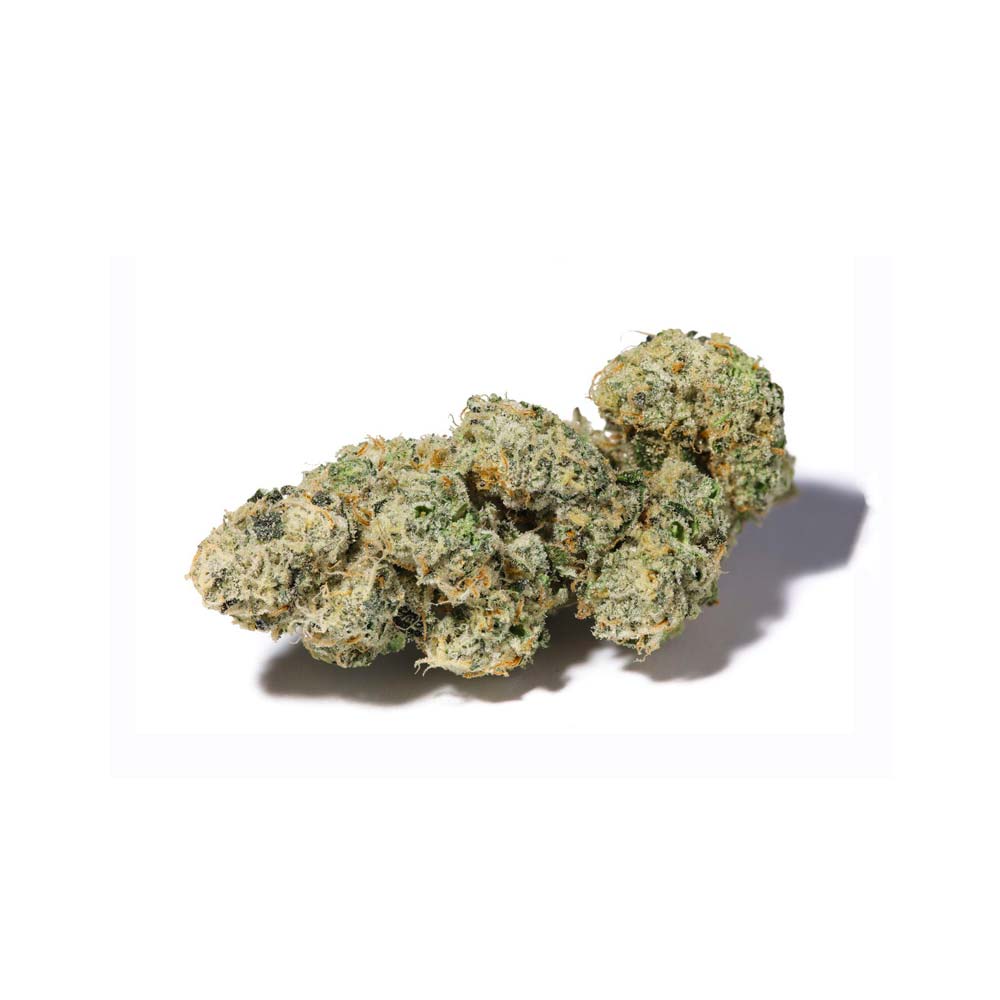
Guaiol in Cannabis: A Comprehensive Guide for UK Medical Patients
Guaiol is a sesquiterpene found in cannabis and various botanical sources that has garnered increasing attention from medical professionals and patients in the United Kingdom. As more patients gain legal access to medical cannabis UK, understanding the specific compounds within cannabis strains becomes increasingly important for informed treatment decisions. This guide explores guaiol’s origins, mechanisms of action, and therapeutic applications relevant to UK medical practice.
What Is Guaiol and Where Is It Found?
Guaiol is a naturally occurring sesquiterpene—a type of organic compound composed of three isoprene units. It contributes to the distinctive aroma and flavour profile of cannabis, characterised by woody, spicy, and herbal notes. Beyond cannabis, guaiol appears in several botanical sources that have been used traditionally in herbal medicine.
The terpene is notably abundant in guaiacum wood, also known as lignum vitae, which has a long history of use in traditional medicine practices. Cypress pine trees, particularly species found in tropical and subtropical regions, contain significant concentrations of guaiol. Additionally, various aromatic botanicals utilise this compound as part of their natural chemical defence mechanisms and therapeutic properties. These diverse natural sources suggest guaiol has evolved as a biologically significant molecule across multiple plant families.
Within cannabis plants, guaiol concentration varies considerably depending on genetic factors, growing conditions, and harvest timing. This variation is crucial for patients seeking specific therapeutic effects, making strain selection an important consideration when pursuing cannabis strains with particular terpene profiles.
The Effects of Guaiol on the Body and Mind
Scientific research has identified several mechanisms through which guaiol exerts effects on human physiology and mental wellbeing. Understanding these mechanisms helps UK medical patients appreciate how this compound contributes to overall therapeutic outcomes.
Antimicrobial Properties
Laboratory studies have demonstrated that guaiol possesses significant antimicrobial activity against various bacterial and fungal species. This property may support the body’s natural defences against microbial infections. For UK medical patients, this mechanism could provide complementary support alongside conventional antimicrobial treatments, particularly for conditions where infection management is a clinical concern. Research suggests guaiol’s antimicrobial effects work through multiple pathways, disrupting microbial cell integrity and metabolism.
Anti-inflammatory Effects
Inflammation underpins numerous chronic conditions affecting UK medical patients, from autoimmune disorders to pain syndromes. Guaiol exhibits anti-inflammatory properties by modulating inflammatory signalling pathways. The compound appears to reduce production of pro-inflammatory cytokines, the chemical messengers that perpetuate inflammatory responses. This mechanism makes guaiol-rich strains potentially valuable for patients with conditions characterised by excessive inflammation, offering a natural approach to managing systemic inflammatory responses.
Antioxidant Activity
Oxidative stress—an imbalance between free radicals and antioxidant defences—contributes to ageing and numerous pathological conditions. Guaiol functions as an antioxidant, neutralising harmful free radicals and protecting cellular structures from oxidative damage. This neuroprotective quality may benefit patients with neurodegenerative concerns or those seeking to support long-term cellular health through their medical cannabis regimen.
Anxiolytic Effects
Mental health conditions, particularly anxiety disorders, affect significant portions of the UK population. Emerging evidence suggests guaiol may possess anxiolytic—anxiety-reducing—properties. Rather than producing sedation, guaiol appears to promote a sense of calm clarity, potentially through interactions with neurochemical systems involved in stress regulation. This distinction is important for patients seeking anxiety management without cognitive impairment during daytime use.
Insect Repellent Properties
While primarily relevant to agricultural contexts, guaiol’s natural insect-repellent properties reflect its role in plant biochemistry. Some patients report that guaiol-rich cannabis strains may support general wellness through their broad-spectrum biological activities, though this application requires further clinical investigation.
Cannabis Strains High in Guaiol
UK medical patients seeking guaiol-dominant strains should familiarise themselves with varieties known for elevated terpene concentrations. When selecting cannabis strains, understanding terpene profiles helps optimise therapeutic outcomes.
Chocolope is renowned for its generous guaiol content, delivering woody and chocolate-like aromas that reflect its terpene composition. Patients often report clear-headed, uplifting effects complemented by gentle anxiety relief.
Pennywise, a balanced 1:1 CBD to THC strain, maintains moderate guaiol levels while providing the synergistic benefits of cannabinoid-terpene interactions. This strain suits patients seeking anti-inflammatory and anxiety-reducing effects without pronounced psychoactivity.
Agent Orange features prominently in guaiol-rich strain discussions, combining the terpene with citrus aromatics. Patients typically experience mood elevation alongside physical comfort, making it suitable for daytime symptom management.
Blue Kush presents another guaiol-abundant option, offering earthy, pine-forward aromatics. The strain’s terpene profile supports relaxation and may aid sleep quality for evening use.
ACDC, a high-CBD strain, contains notable guaiol levels. This cannabinoid-terpene combination particularly appeals to patients prioritising anti-inflammatory and anxiolytic benefits while minimising THC exposure.
Clinical Applications for UK Medical Patients
Within the UK medical cannabis framework, guaiol-rich strains serve specific therapeutic purposes aligned with licensed prescribing guidelines.
Anxiety Management
Patients experiencing anxiety disorders may benefit from guaiol’s documented anxiolytic properties. The compound’s capacity to promote calm without sedation makes it suitable for patients requiring functional anxiety management.
Inflammation-Related Conditions
Chronic inflammatory conditions, from rheumatoid arthritis to inflammatory bowel disease, represent significant indications for guaiol-containing medical cannabis. The anti-inflammatory mechanisms support conventional therapeutic approaches.
Antimicrobial Support
Patients with recurrent infections or conditions where microbial management is clinically relevant may find guaiol’s antimicrobial properties beneficial as complementary therapy alongside conventional antimicrobials.
Prescription Context
UK prescriptions for medical cannabis UK require specialist consultant recommendation. Patients interested in guaiol-rich strains should discuss terpene profiles with their prescribing clinician, ensuring the selected strain aligns with their specific medical needs and existing treatment regimens.
Conclusion
Guaiol represents an important terpene component in cannabis therapeutics, offering multiple mechanisms of action relevant to UK medical patients. As cannabis medicine advances within the UK healthcare system, understanding individual terpene compounds enables more precise, personalised treatment approaches. Patients should consult their prescribing clinicians regarding guaiol-rich strain options suited to their particular medical conditions and treatment objectives.