
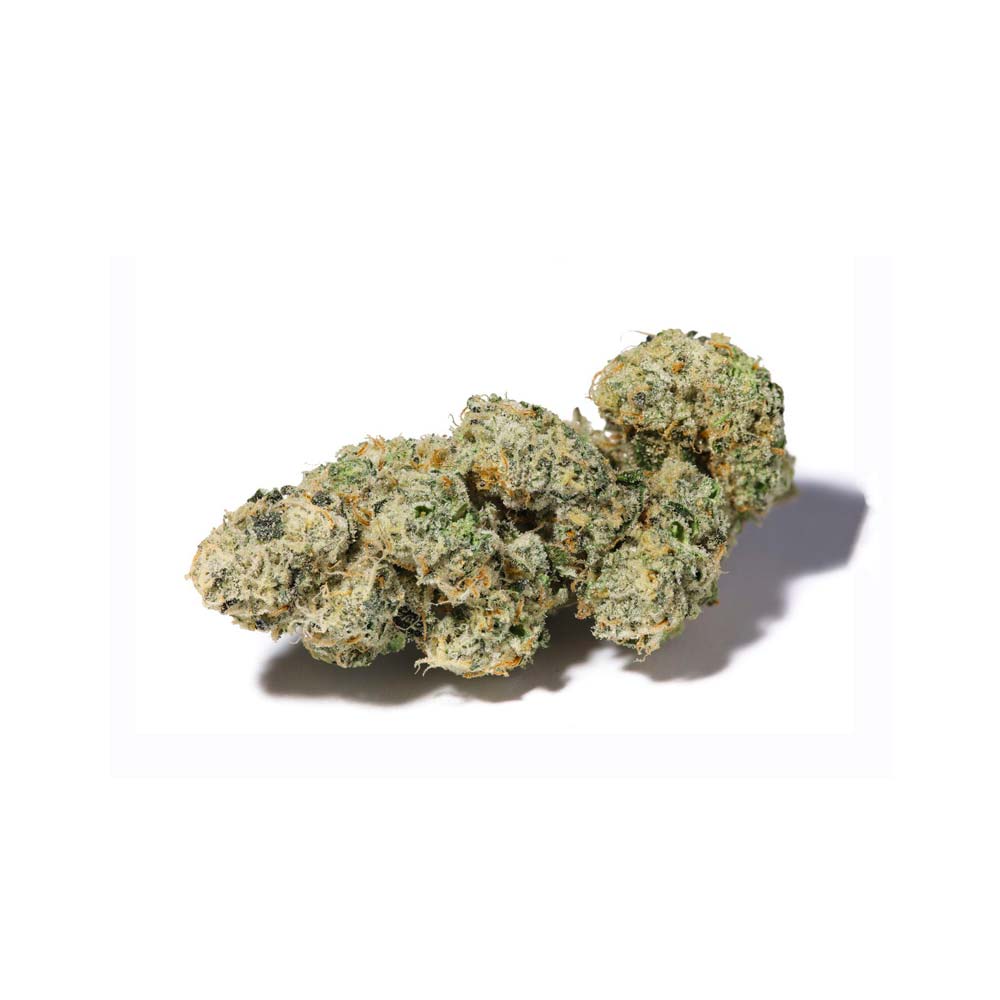
Humulene in Cannabis: A Comprehensive Guide for UK Medical Patients
What is Humulene?
Humulene is a sesquiterpene, a naturally occurring organic compound found in numerous plant species. In cannabis, it represents one of the significant terpenes contributing to both the plant’s characteristic aroma and its therapeutic properties. The compound gets its name from its abundance in hops, the flowering cone of the plant Humulus lupulus, where it was first identified. Humulene works synergistically with cannabinoids like THC and CBD, contributing to what researchers call the “entourage effect”—the theory that cannabis compounds work together more effectively than in isolation.
Natural Sources of Humulene Beyond Cannabis
Humulene appears widely throughout nature, making it a compound many people may already encounter in their daily diet and environment. In hops, humulene constitutes a major component of the plant’s essential oils, which is why certain beers possess distinctive spicy, herbaceous notes. Sage, the aromatic culinary herb, contains substantial amounts of humulene, particularly in its volatile oils. Ginseng, prized in traditional medicine systems for centuries, also contains this terpene alongside other bioactive compounds. Cloves, the dried flower buds used extensively in cooking and traditional medicine, are particularly rich in humulene, contributing to their characteristic warm, spicy flavour profile. This widespread natural occurrence suggests humulene has been part of human consumption across many cultures and historical periods.
Physiological Effects: Anti-inflammatory Properties
Research into humulene has revealed significant anti-inflammatory potential. Studies suggest that humulene may reduce inflammatory responses in the body by modulating immune pathways. For UK medical patients managing chronic inflammatory conditions, this property represents a potentially valuable therapeutic avenue. The anti-inflammatory effects appear to work through multiple mechanisms, including potential suppression of pro-inflammatory cytokines. This mechanism is particularly relevant for patients with conditions such as rheumatoid arthritis, inflammatory bowel disease, and other chronic inflammatory conditions where conventional treatments may be inadequate or carry undesirable side effects.
Analgesic and Pain Management Benefits
Beyond inflammation reduction, humulene demonstrates analgesic properties—meaning it may help reduce pain perception. The combination of pain relief alongside anti-inflammatory action makes humulene-rich cannabis strains potentially beneficial for patients experiencing pain conditions. The analgesic effects appear to involve both peripheral pain pathway modulation and potential central nervous system interactions. For many UK medical cannabis patients, particularly those with neuropathic pain, cancer-related pain, or chronic musculoskeletal conditions, humulene-containing strains may offer therapeutic advantages when incorporated into their treatment protocols under medical supervision.
Appetite Suppression and Metabolic Effects
Unlike THC, which frequently stimulates appetite, humulene appears to have the opposite effect. Some research suggests humulene may act as an appetite suppressant, making it potentially valuable for patients requiring appetite regulation. This property distinguishes humulene-dominant strains from more typical cannabis preparations and may benefit patients undergoing treatments causing excessive appetite stimulation or those managing weight-related health conditions. The mechanism likely involves interaction with appetite-regulating neural pathways, though further research is needed to fully elucidate these interactions.
Antimicrobial and Antibacterial Properties
Emerging research indicates humulene possesses antibacterial and antimicrobial properties. These characteristics may help the body combat bacterial infections and support immune function. The antibacterial activity appears effective against various bacterial strains, suggesting potential therapeutic applications in infections where conventional antibiotics prove inadequate or where patients seek complementary approaches alongside standard treatment.
Potential Anti-tumour Properties
Preliminary research has explored humulene’s potential anti-tumour activity. Some studies suggest humulene may exhibit cytotoxic properties against certain cancer cell lines, inducing apoptosis (programmed cell death) in malignant cells. While human clinical trials remain limited, these preclinical findings have attracted significant scientific attention. UK medical cannabis patients with certain cancers may find humulene-rich strains potentially beneficial as part of comprehensive treatment plans, though such use should always occur under specialist oncological and medical cannabis supervision.
Cannabis Strains High in Humulene
When selecting from cannabis strains available through UK medical channels, several varieties are notably high in humulene content. White Widow, a well-established hybrid strain, consistently demonstrates elevated humulene levels alongside other beneficial terpenes. Skywalker OG, an indica-dominant strain, contains significant humulene concentrations and is favoured by patients seeking enhanced relaxation alongside the compound’s therapeutic properties. Headband, another hybrid variety, presents high humulene profiles combined with moderate cannabinoid levels. Girl Scout Cookies delivers humulene abundance with a balanced cannabinoid spectrum. Sour Diesel, a sativa-dominant strain, rounds out commonly available high-humulene options, offering energising effects paired with humulene’s therapeutic potential.
Medical Cannabis Patients in the UK: Applications and Benefits
Under the medical cannabis UK framework, properly registered patients can access cannabis-based medicinal products prescribed by specialist consultants. For those conditions where humulene’s properties align with therapeutic needs, specific strain selection becomes clinically significant. Patients managing chronic pain find humulene’s combined analgesic and anti-inflammatory properties particularly valuable. Those experiencing inflammatory conditions benefit from the terpene’s immune-modulating effects. Patients requiring appetite regulation appreciate humulene’s distinct properties compared to more typical cannabis preparations. Cancer patients undergoing supportive care may benefit from humulene alongside conventional oncological treatments, provided their specialist medical team approves such combined approaches.
Integration into Medical Cannabis Treatment Plans
UK medical cannabis patients typically receive individualised treatment plans reflecting their specific conditions and therapeutic needs. When humulene-rich strains prove appropriate, consultants consider dosing schedules, delivery methods, and potential interactions with existing medications. Regular monitoring ensures treatment efficacy and enables plan adjustment as needed. Patients should always discuss terpene profiles and strain selection with their prescribing consultants to optimise therapeutic outcomes.
Conclusion
Humulene represents an important but often overlooked component of cannabis’s therapeutic potential. Its presence in hops, sage, ginseng, and cloves throughout nature demonstrates its safety profile across human populations. For UK medical cannabis patients, humulene-rich strains offer distinct therapeutic advantages encompassing anti-inflammatory, analgesic, appetite-suppressive, antibacterial, and potentially anti-tumour properties. When prescribed appropriately within the UK medical cannabis framework and selected in consultation with specialist practitioners, humulene-containing strains can form valuable components of comprehensive treatment strategies.