
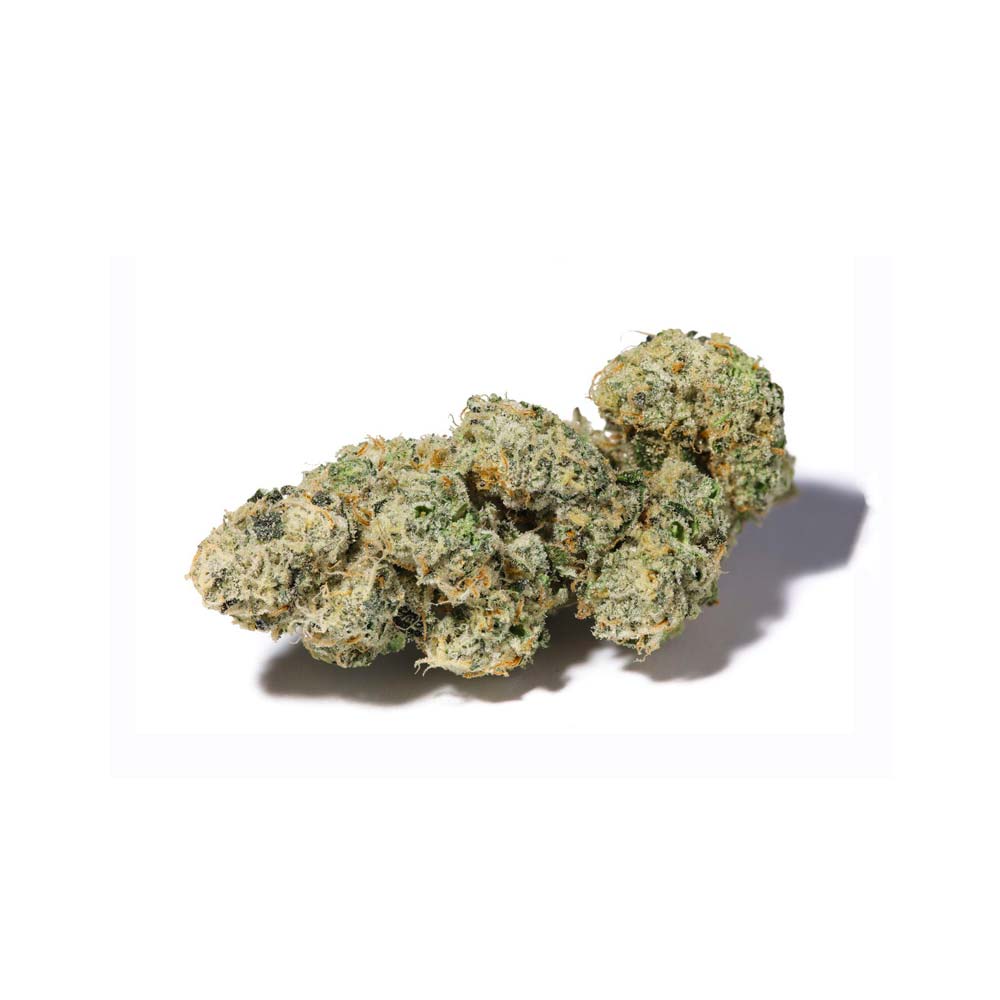
Alpha-Bisabolol in Cannabis: A Comprehensive Guide for UK Medical Patients
Alpha-bisabolol is a naturally occurring sesquiterpene gaining significant recognition within the UK medical cannabis community. For patients seeking evidence-based treatment options, understanding this compound’s therapeutic potential is increasingly important. This guide provides a detailed exploration of bisabolol’s origins, mechanisms of action, and practical applications for medical patients in the United Kingdom.
What is Alpha-Bisabolol?
Alpha-bisabolol is a colourless liquid sesquiterpene characterised by a warm, floral, and slightly woody aroma. This organic compound belongs to the family of terpenes—aromatic molecules found throughout the plant kingdom. In cannabis, bisabolol contributes both to the plant’s distinctive scent profile and its therapeutic properties.
The compound was first isolated and identified in the early 20th century, though humans have benefited from bisabolol-rich plants for centuries through traditional medicine practices. Its chemical structure (C15H26O) enables it to interact with various physiological systems, making it a subject of increasing scientific investigation.
Natural Sources of Alpha-Bisabolol
Whilst bisabolol appears in multiple plant species, two primary botanical sources have established reputations for this compound:
Chamomile (Matricaria chamomilla) contains significant quantities of alpha-bisabolol, contributing to its long-standing use in traditional medicine for relaxation and digestive support. The compound is present in both the plant’s flowers and essential oils.
Candeia Tree (Eremanthus erythropappus), native to Brazil, is renowned for producing highly concentrated bisabolol. The wood of this tree has been harvested traditionally for its therapeutic essential oil, though sustainable harvesting practices are now emphasised due to conservation concerns.
Within cannabis specifically, bisabolol concentration varies significantly between different cultivars and plant genetics, making strain selection important for patients seeking this particular terpene’s benefits.
Therapeutic Effects and Scientific Evidence
Alpha-bisabolol exerts multiple pharmacological actions relevant to UK medical cannabis patients. Research continues to expand our understanding of these effects:
Anti-inflammatory Properties
Bisabolol demonstrates marked anti-inflammatory activity through several mechanisms. Studies indicate the compound modulates inflammatory pathways, potentially reducing pro-inflammatory cytokine production. For patients with conditions characterised by chronic inflammation, including inflammatory bowel conditions and arthritis, this property offers therapeutic value.
Skin Healing and Dermatological Benefits
Scientific literature documents bisabolol’s wound-healing capacity. The compound promotes fibroblast activity and collagen synthesis, supporting skin repair processes. Dermatological applications include assistance with eczema, psoriasis, and general skin irritation—conditions for which UK medical cannabis patients frequently seek relief.
Analgesic Effects
Alpha-bisabolol exhibits pain-relieving properties through interaction with pain signalling pathways. Research suggests the compound may be particularly effective for neuropathic pain conditions, complementing other analgesic mechanisms within cannabis medicine.
Antimicrobial Activity
Studies demonstrate bisabolol’s effectiveness against various bacterial and fungal species. This antimicrobial capacity, whilst not a primary reason for medical cannabis prescription in the UK, contributes to overall therapeutic benefits, particularly for infection-prone skin conditions.
Anxiolytic Properties
Preliminary research suggests alpha-bisabolol may possess anxiety-reducing properties. The compound appears to interact with GABAergic systems, offering potential benefits for patients with anxiety disorders. This effect complements cannabinoid contributions to anxiolytic activity.
Enhanced Absorption of Other Compounds
An important property of bisabolol is its potential to enhance bioavailability and absorption of other therapeutic compounds. This “entourage effect” mechanism means that bisabolol-rich cannabis may potentiate the therapeutic impact of cannabinoids and other terpenes present in the plant material.
Cannabis Strains High in Alpha-Bisabolol
When consulting cannabis strains available through UK medical channels, several cultivars demonstrate notably elevated bisabolol content:
Pink Kush is recognised for its elevated bisabolol levels alongside myrcene, creating a distinctive floral-herbal profile. Patients report this strain’s utility for relaxation and mild pain management.
Master Kush presents substantial bisabolol concentrations, contributing to its earthy-floral character. This strain is frequently selected by patients managing stress and mild-to-moderate pain.
Headband offers a notable bisabolol content combined with limonene and myrcene. Patients value this strain for balanced effects suitable for daytime or flexible-schedule use.
ACDC, a high-CBD cultivar, contains meaningful bisabolol levels. This strain is particularly relevant for patients seeking anti-inflammatory and anxiolytic effects without prominent psychoactive activity.
Oracle delivers pronounced bisabolol content with complementary terpene profiles, appealing to patients focused on dermatological benefits and general wellness support.
Clinical Applications for UK Medical Patients
Within the framework of medical cannabis UK treatment protocols, bisabolol-containing strains address several clinical presentations:
Skin Conditions
Patients with eczema, psoriasis, and dermatitis frequently report benefit from bisabolol-rich cannabis, attributing improvement to both the compound’s direct skin-healing properties and systemic anti-inflammatory effects. Medical practitioners increasingly recognise these applications.
Anxiety and Sleep Disturbance
The compound’s anxiolytic properties make bisabolol-containing strains relevant for anxiety disorder patients. Combined with cannabinoid effects, patients report improved sleep quality and reduced daytime anxiety.
Chronic Pain and Inflammation
Patients with inflammatory arthropathies, general chronic pain, and post-injury inflammation benefit from bisabolol’s analgesic and anti-inflammatory mechanisms. The compound’s pain-relieving properties complement those of cannabinoids, providing multipronged analgesia.
Neuropathic Pain
Preliminary evidence suggests bisabolol’s particular effectiveness for neuropathic pain conditions. Patients with diabetic neuropathy and post-traumatic neuropathy report notable benefits from bisabolol-containing strains.
Prescription Context in the UK
Medical cannabis prescriptions in the UK typically focus on specific, clinically validated conditions. Bisabolol-containing strains are prescribed when patients present with symptom profiles aligned with the compound’s therapeutic properties. Prescribing specialists evaluate terpene profiles alongside cannabinoid composition to optimise individual patient outcomes.
Patient suitability assessment, baseline symptom documentation, and regular monitoring remain essential components of UK medical cannabis treatment protocols, regardless of terpene content.
Conclusion
Alpha-bisabolol represents a valuable component within the cannabis pharmacopoeia available to UK medical patients. Its anti-inflammatory, analgesic, anxiolytic, and dermatological benefits support multiple clinical indications. As understanding of cannabis terpenes advances, bisabolol-containing strains continue gaining recognition as a sophisticated, evidence-informed treatment option for appropriately selected patients under specialist supervision.