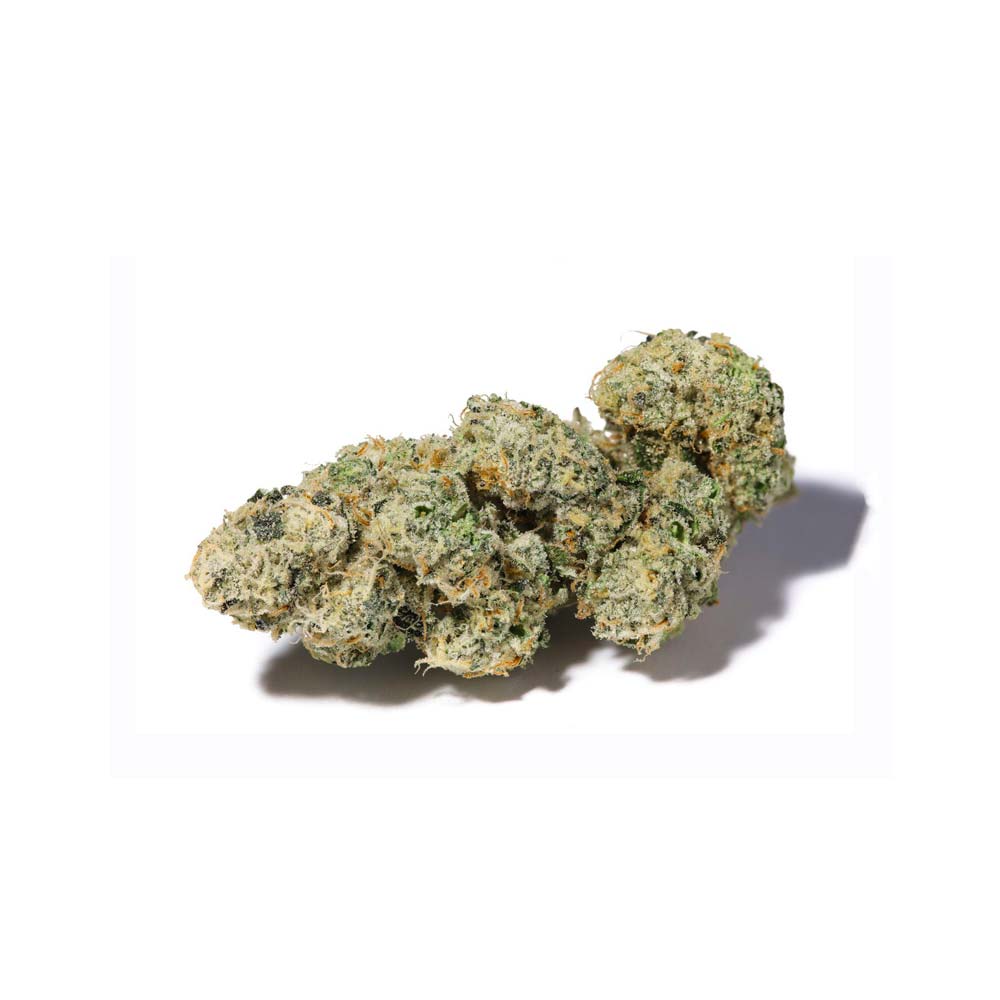
CBD vs CBDA UK: Which Cannabinoid is More Effective?
The UK cannabinoid market has expanded significantly in recent years, with consumers increasingly curious about different compounds beyond traditional CBD. One comparison gaining traction is CBD versus CBDA—the raw, acidic precursor to CBD. Understanding the differences between these two compounds is essential for anyone considering cannabinoid products in the United Kingdom.
Understanding the Fundamentals: CBD and CBDA
CBD (cannabidiol) and CBDA (cannabidiolic acid) are both naturally occurring compounds found in cannabis plants. The primary distinction lies in their chemical structure and how they form. CBDA is the raw, acidic form of CBD that exists in the plant before harvest. When exposed to heat—through smoking, cooking, or drying—CBDA undergoes decarboxylation, converting into the more familiar CBD compound.
In raw cannabis plants, CBDA typically comprises up to 95% of the acidic cannabinoid content, with only trace amounts of CBD present. This ratio has led researchers to investigate whether CBDA deserves attention alongside its decarboxylated counterpart.
UK cannabis legislation affects both compounds similarly. Since November 2018, CBD products have been permitted for sale as long as they contain no more than 1mg of THC per container and don’t make unauthorised medical claims. CBDA, being a naturally occurring cannabinoid without intoxicating properties, falls under the same regulatory framework.
The UK Food Standards Agency currently classifies CBD as a novel food, requiring pre-market authorisation. CBDA products occupy a similar regulatory position. Consumers should only purchase products from reputable sellers who provide third-party laboratory testing confirming THC compliance and contaminant testing.
Bioavailability and Absorption: A Critical Difference
One significant consideration when comparing CBD vs CBDA UK products concerns bioavailability—how effectively the body absorbs and utilises these compounds. Research suggests CBDA may demonstrate superior bioavailability compared to CBD in certain contexts.
A 2020 study published in Cannabis and Cannabinoid Research found that CBDA showed approximately five times greater binding affinity to human serotonin receptors than CBD. Additionally, CBDA may not require the same metabolic processing as CBD, potentially allowing greater amounts to reach the bloodstream without being broken down by the liver.
However, CBDA’s stability presents challenges. The compound degrades relatively quickly when exposed to light, heat, or oxygen. This instability means CBDA products require careful formulation and storage to maintain potency—a factor affecting both effectiveness and product quality.
Research on CBDA: Current Evidence and Findings
Scientific investigation into CBDA remains less extensive than CBD research, though emerging studies show promising results. A 2022 study demonstrated that CBDA exhibited anti-nausea properties in animal models, with some researchers suggesting it may be more potent than CBD for specific applications.
Research into CBDA’s effects on anxiety, inflammation, and pain management is ongoing. Some preliminary evidence suggests CBDA may interact with serotonin receptors more effectively than CBD, potentially offering advantages for mood-related concerns. However, human clinical trials remain limited, and more comprehensive research is necessary before drawing definitive conclusions.
The National Institute for Health and Care Excellence (NICE) continues monitoring cannabinoid research, though formal guidance specifically addressing CBDA remains pending in the UK.
CBD Effectiveness: The Established Profile
CBD benefits from substantially more research than CBDA. Extensive studies have documented CBD’s potential effects on anxiety, sleep disturbances, chronic pain, and epilepsy. The UK’s regulatory approval of Epidyolex—a CBD-based pharmaceutical for specific seizure disorders—reflects CBD’s established medical credibility.
CBD’s longer shelf life and greater stability make it easier to formulate into consistent products. UK consumers have access to numerous CBD products with reliable, consistent dosing. For anxiety and general wellness, CBD remains the most extensively researched option.
CBD vs CBDA UK: Practical Considerations for Consumers
When deciding between CBD and CBDA products, several practical factors deserve consideration. Product stability remains paramount—CBDA requires sophisticated formulation techniques to prevent degradation. Whilst some UK companies now offer CBDA products, availability remains more limited than CBD alternatives.
Cost represents another consideration. CBDA products typically command premium pricing due to extraction complexity and limited commercial scale. Consumers should expect to pay considerably more for CBDA compared to equivalent CBD products.
Quality and testing differ substantially between providers. Reputable manufacturers conduct independent third-party testing, which consumers should verify before purchasing. This applies to both CBD and CBDA products, though CBDA testing specifically requires laboratories capable of detecting acidic cannabinoids.
Which Should You Choose?
For most UK consumers seeking established, research-backed products, CBD remains the practical choice. The extensive research, product availability, consistency, and competitive pricing make CBD accessible for those exploring cannabinoid wellness. CBD products have demonstrated effectiveness for many users across various applications.
CBDA may interest consumers with specific requirements, particularly those potentially seeking enhanced potency or specific therapeutic targets identified in emerging research. However, consumers should approach CBDA with realistic expectations, understanding that comprehensive human clinical evidence remains developing.
For medical applications, consulting healthcare professionals remains essential. The UK healthcare system increasingly acknowledges cannabinoids, and clinicians can provide personalised guidance based on individual circumstances and conditions.
Conclusion
The CBD vs CBDA UK comparison reflects the evolving cannabinoid landscape. Whilst CBDA demonstrates interesting potential and may offer bioavailability advantages, CBD remains the more established, accessible, and research-supported option for most consumers. As scientific understanding develops and CBDA formulation technology improves, this comparison may shift. Currently, consumers should prioritise products from reputable suppliers offering transparent testing results, regardless of whether selecting CBD or CBDA formulations.
Medical Disclaimer: The information on this page is for educational purposes only and does not constitute medical advice. Always consult a licensed healthcare professional before starting any new treatment.
https://cannazen.co.uk/wp-content/uploads/2026/01/cosmic-mac-cannabis-doctor-prescription-pharmacy-shop-blute.jpg10001000CannaZen UK Editorial Teamhttps://cannazen.co.uk/wp-content/uploads/2026/01/cannazen-shop-lieferung-cannabis-weed-hemp-online.svgCannaZen UK Editorial Team2026-05-14 20:41:572026-05-23 10:53:39CBD vs CBDA UK – Which is More Effective?
We may request cookies to be set on your device. We use cookies to let us know when you visit our websites, how you interact with us, to enrich your user experience, and to customize your relationship with our website.
Click on the different category headings to find out more. You can also change some of your preferences. Note that blocking some types of cookies may impact your experience on our websites and the services we are able to offer.
Essential Website Cookies
These cookies are strictly necessary to provide you with services available through our website and to use some of its features.
Because these cookies are strictly necessary to deliver the website, refusing them will have impact how our site functions. You always can block or delete cookies by changing your browser settings and force blocking all cookies on this website. But this will always prompt you to accept/refuse cookies when revisiting our site.
We fully respect if you want to refuse cookies but to avoid asking you again and again kindly allow us to store a cookie for that. You are free to opt out any time or opt in for other cookies to get a better experience. If you refuse cookies we will remove all set cookies in our domain.
We provide you with a list of stored cookies on your computer in our domain so you can check what we stored. Due to security reasons we are not able to show or modify cookies from other domains. You can check these in your browser security settings.
Google Analytics Cookies
These cookies collect information that is used either in aggregate form to help us understand how our website is being used or how effective our marketing campaigns are, or to help us customize our website and application for you in order to enhance your experience.
If you do not want that we track your visit to our site you can disable tracking in your browser here:
Other external services
We also use different external services like Google Webfonts, Google Maps, and external Video providers. Since these providers may collect personal data like your IP address we allow you to block them here. Please be aware that this might heavily reduce the functionality and appearance of our site. Changes will take effect once you reload the page.
Google Webfont Settings:
Google Map Settings:
Google reCaptcha Settings:
Vimeo and Youtube video embeds:
Other cookies
The following cookies are also needed - You can choose if you want to allow them:
Privacy Policy
You can read about our cookies and privacy settings in detail on our Privacy Policy Page.