
Understanding CBDA: The Raw Cannabinoid
Cannabidiolic acid, commonly known as CBDA, represents the raw, unheated form of cannabidiol (CBD) found naturally in cannabis plants. Unlike the CBD products readily available on UK high streets, CBDA exists in its acidic state before decarboxylation—the heating process that converts it into the more familiar CBD compound. This distinction is crucial for understanding why CBDA is generating considerable interest within the wellness and medical research communities.
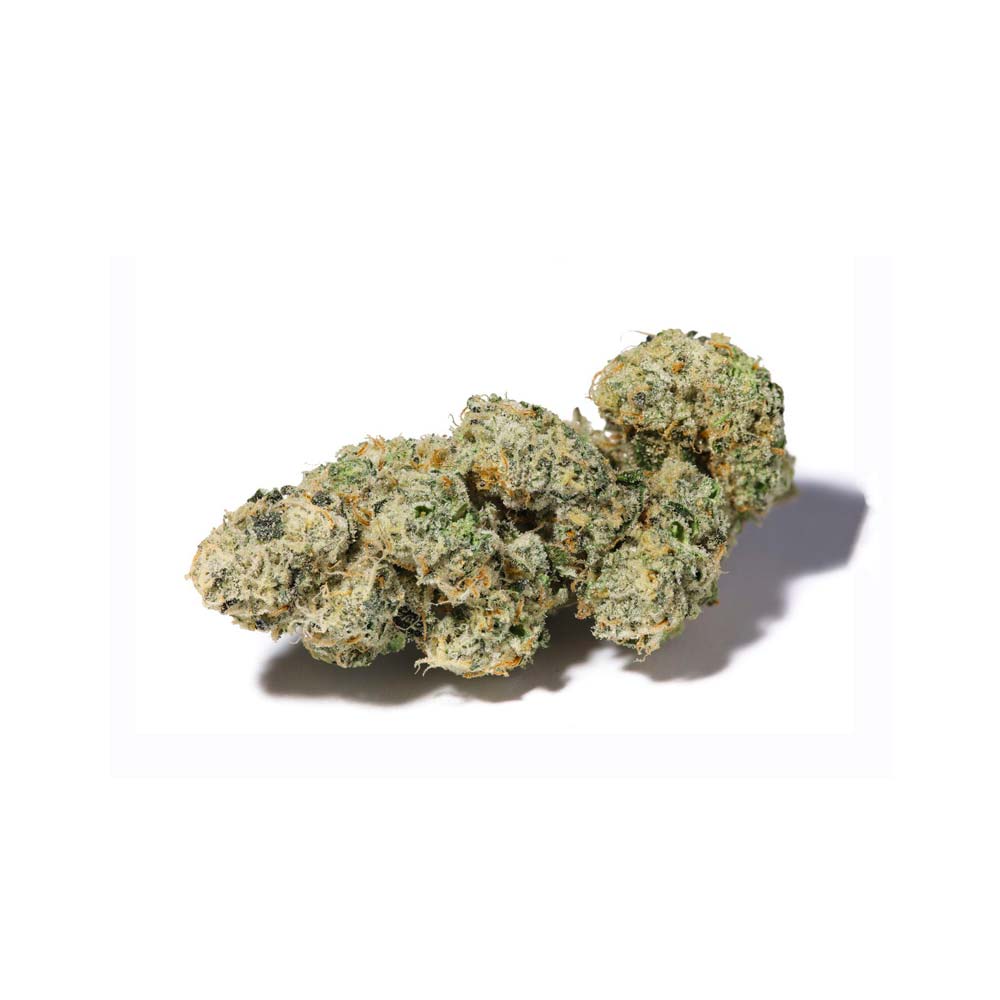
When cannabis plants are dried, aged, or heated, the carboxylic acid group attached to CBDA molecules breaks down, releasing carbon dioxide and transforming the compound into CBD. This natural process occurs over time, but heating accelerates it dramatically. Raw cannabis juice and fresh plant material contain predominantly CBDA rather than CBD, making them unique sources of this understudied cannabinoid.
CBDA Versus CBD: Key Differences
Whilst CBD and CBDA share similar molecular structures, their chemical composition creates significant functional differences. CBDA’s acidic form means it interacts with the body’s endocannabinoid system differently than CBD. Research suggests CBDA may have a distinct pharmacological profile, potentially offering benefits that CBD alone cannot provide.
The interaction mechanism differs substantially. CBDA appears to show strong affinity for serotonin receptors, particularly the 5-HT1A receptor, which CBD interacts with less effectively. This distinction could explain why preliminary research indicates CBDA may have unique properties beyond those associated with CBD, despite both originating from the same parent compound in the plant.
Emerging Therapeutic Potential
Research into CBDA’s therapeutic effects remains in early stages, but preliminary findings are encouraging. Anti-nausea properties represent one of the most promising areas of investigation. Studies conducted on animal models suggest CBDA may be effective at lower doses than CBD for reducing nausea and vomiting, potentially benefiting individuals undergoing chemotherapy or experiencing motion sickness.
Anti-inflammatory effects constitute another significant research focus. CBDA appears to inhibit COX-2 enzymes, which play roles in inflammation and pain signalling. This mechanism differs somewhat from CBD’s anti-inflammatory action, suggesting CBDA could offer complementary or alternative benefits for conditions characterised by chronic inflammation.
Additional emerging research explores CBDA’s potential anxiolytic properties and its effects on mood regulation. The compound’s interaction with serotonin receptors has prompted investigations into whether CBDA might support mental health, though human clinical trials remain limited.
Raw Cannabis Juice and CBDA Content
Fresh cannabis juice has become increasingly popular amongst those seeking CBDA in its natural state. Juicing raw cannabis leaves and flowers delivers substantial CBDA quantities without the decarboxylation that converts it to CBD. This method preserves the acidic cannabinoid profile, offering users access to compounds that would otherwise be lost during traditional processing or heating methods.
The bioavailability and effectiveness of CBDA from juice remain areas requiring further investigation, but enthusiasts report anecdotal benefits consistent with emerging research findings.
Legal Status of CBDA in the United Kingdom
CBDA occupies a legal grey area in the UK. As a naturally occurring cannabis constituent, its legal classification depends on the overall product context. Cannabis-derived CBDA products remain controlled under the Misuse of Drugs Act unless explicitly exempted. However, CBDA products derived from industrial hemp with negligible THC content may be permissible, though regulatory clarity remains limited.
The Food Standards Agency has not established specific regulations governing CBDA supplements, creating uncertainty for manufacturers and consumers alike.
CBDA Products Entering the UK Market
Despite regulatory ambiguity, CBDA products are beginning to appear within the UK market. Specialist wellness retailers now stock CBDA oils, capsules, and raw plant material. These products typically originate from regulated hemp suppliers in the European Union or North America, marketed as botanical supplements rather than medicinal products.
CBDA Versus CBD Potency
Comparing CBDA and CBD potency proves challenging, as they demonstrate different mechanisms of action. CBDA shows promise of requiring lower effective doses than CBD for certain applications, particularly anti-nausea effects, suggesting potentially superior potency in specific contexts rather than overall superiority.
Future Research Directions
Future investigations will likely focus on human clinical trials, optimal dosing, bioavailability studies, and comparative efficacy assessments. Understanding CBDA’s potential could revolutionise cannabinoid therapeutics, offering patients additional treatment options beyond conventional CBD products.