
Understanding CBD Flowers in the UK
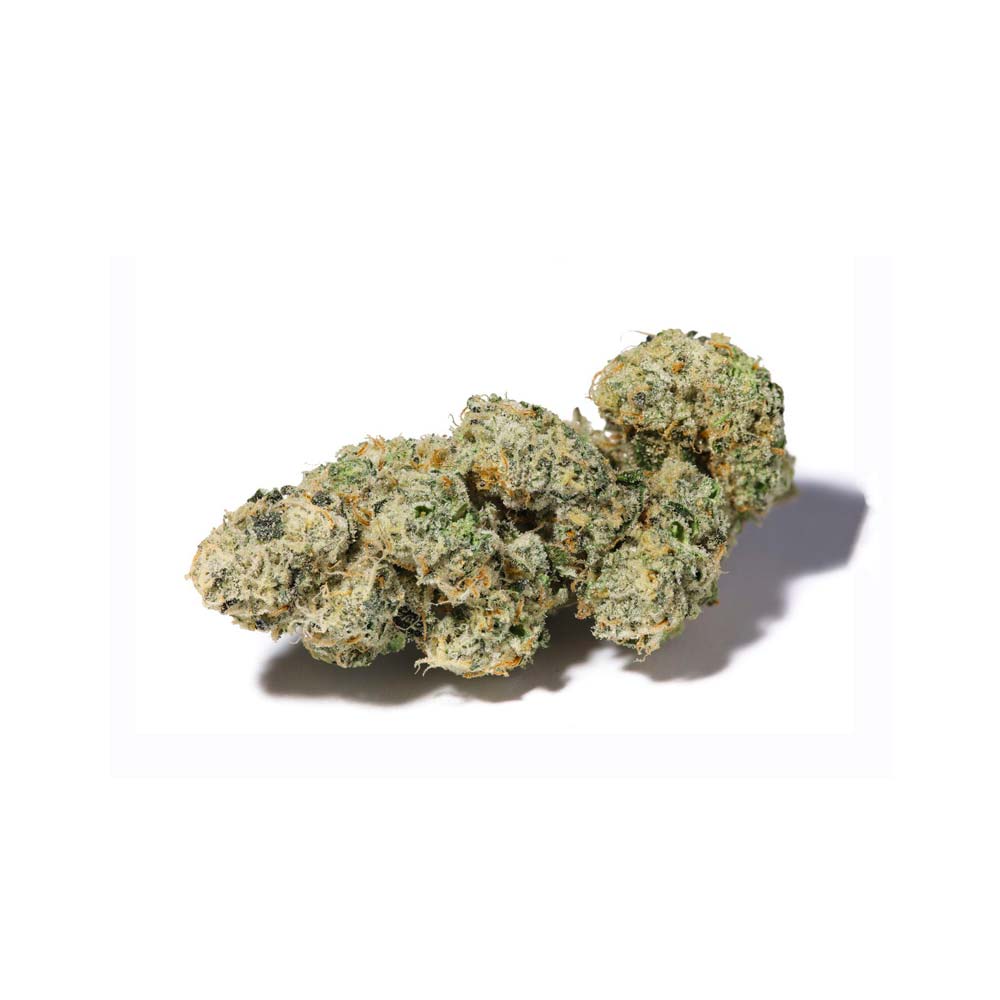
CBD flowers represent a growing market in the United Kingdom, yet they exist in a complex legal and regulatory landscape that confuses many consumers. A CBD flower is essentially a hemp plant product that has been specifically bred and cultivated to contain high levels of cannabidiol (CBD), whilst maintaining extremely low levels of tetrahydrocannabinol (THC). These flowers look virtually identical to cannabis buds, containing the dried flowers, leaves, and small stems of the hemp plant. The critical distinction lies in their chemical composition: whilst CBD flowers contain minimal THC (typically below 0.2 per cent), they deliver substantial CBD concentrations that appeal to those seeking the compound’s potential wellness benefits without the psychoactive effects associated with cannabis.
The Legal Grey Area in the UK
The legal status of CBD flowers in the United Kingdom remains deeply ambiguous. Technically, CBD flowers fall under the Misuse of Drugs Act 1971, which classifies any part of the cannabis plant as a controlled substance, regardless of its THC content. This means that, strictly speaking, CBD flowers are illegal to possess, supply, or produce in the UK, even when they contain negligible amounts of THC. The fact that a product is high in CBD and low in THC does not provide legal protection under current legislation. This contrasts sharply with CBD oils and other CBD products, which have received more regulatory clarity and are widely available on the UK market.
The grey area exists because enforcement has been inconsistent. Whilst the law technically prohibits CBD flowers, enforcement agencies have prioritised other cannabis-related offences, leaving the CBD flower market to operate with minimal intervention. This has created a situation where CBD flowers are readily available online and in some retail locations, despite their questionable legal status. Consumers purchasing these products do so with awareness that they exist in a regulatory grey zone.
Why Authorities Treat CBD Flower Differently to CBD Oil
A curious distinction exists between how enforcement authorities and regulatory bodies treat CBD flowers compared to CBD oil products, despite both potentially containing similar CBD concentrations. This difference stems primarily from practical and regulatory considerations. CBD oils and other processed CBD products fall under the Novel Food Regulations, which provides a framework for their regulation and sale. These products have undergone varying degrees of assessment for safety and quality, offering some regulatory oversight.
CBD flowers, conversely, are raw plant material that closely resemble cannabis. From an enforcement perspective, distinguishing between a CBD flower and an illegal cannabis flower requires laboratory testing. This practical barrier, combined with resource constraints faced by police and regulatory agencies, means that CBD flowers receive less scrutiny than the law technically demands. Additionally, authorities recognise the public health distinction between products marketed for wellness purposes with transparent CBD content and illicit cannabis. This pragmatic approach has resulted in a de facto acceptance of CBD flowers, even though they remain technically illegal.
Risks Associated with Buying CBD Flowers Online
Purchasing CBD flowers online presents several significant risks that consumers should carefully consider. Firstly, the unregulated nature of the market means quality control is inconsistent. Products may not contain the advertised CBD concentration, or they may harbour contaminants such as pesticides, heavy metals, or mould. Without proper oversight, manufacturers face minimal accountability for product accuracy or safety.
Secondly, the legal ambiguity creates personal risk. Whilst enforcement has been lenient, possessing CBD flowers technically violates the Misuse of Drugs Act. Although prosecution remains unlikely for personal use, the legal risk exists. Additionally, products purchased online may not meet the claimed 0.2 per cent THC limit, potentially exposing consumers to legal complications if THC levels prove higher than stated.
Thirdly, online marketplaces lack the verification mechanisms of legitimate retailers. Unscrupulous sellers may mislabel products entirely, selling cannabis flowers as CBD flowers. Without laboratory testing capacity, consumers cannot verify what they receive.
CBD Flower Versus Cannabis: Key Differences
Whilst CBD flowers and cannabis flowers appear similar, their chemical profiles differ fundamentally. Cannabis flowers contain high THC levels (typically 10-25 per cent or higher) and lower CBD levels, producing psychoactive effects. CBD flowers reverse this ratio, maximising CBD whilst minimising THC, resulting in non-intoxicating products. This chemical distinction represents the primary difference between the two products.
Vaporising CBD Flowers
Many consumers choose to vaporise CBD flowers rather than smoking them. Vaporisation heats the plant material to temperatures that release cannabinoids without combustion, potentially reducing exposure to harmful byproducts associated with smoking. This method appeals to health-conscious consumers, though it requires specific equipment and understanding of appropriate temperatures.
Superior Alternatives
Rather than navigating the legal and quality risks associated with CBD flowers, consumers should explore established alternatives. CBD oils are widely available, properly regulated, and backed by clearer legal status. Broad-spectrum products offer multiple cannabinoids and compounds whilst remaining THC-free, potentially providing enhanced benefits through the entourage effect. These alternatives present safer, more legally secure options for obtaining CBD products in the United Kingdom.
Further Reading
- Cooking with Cannabis UK – Legal CBD Guide
- Is CBD Legal in the UK? Complete Legality Guide for 2024
- THC Legal Limit UK — What Is Allowed, CBD vs THC Law
- CBD Capsules UK — What to Look For, Dosage, Legal Guide