Cannabis Flower vs Extract UK – What is the Difference?
Cannabis Flower vs Extract UK – What is the Difference?
Understanding the distinction between cannabis flower and extract is essential for UK consumers, whether for medical purposes or general knowledge. Both forms contain cannabinoids like CBD and THC, but they differ significantly in production, potency, consumption methods, and effects. This comprehensive guide explores these differences to help you make informed decisions about cannabis products available in the UK.
What is Cannabis Flower?
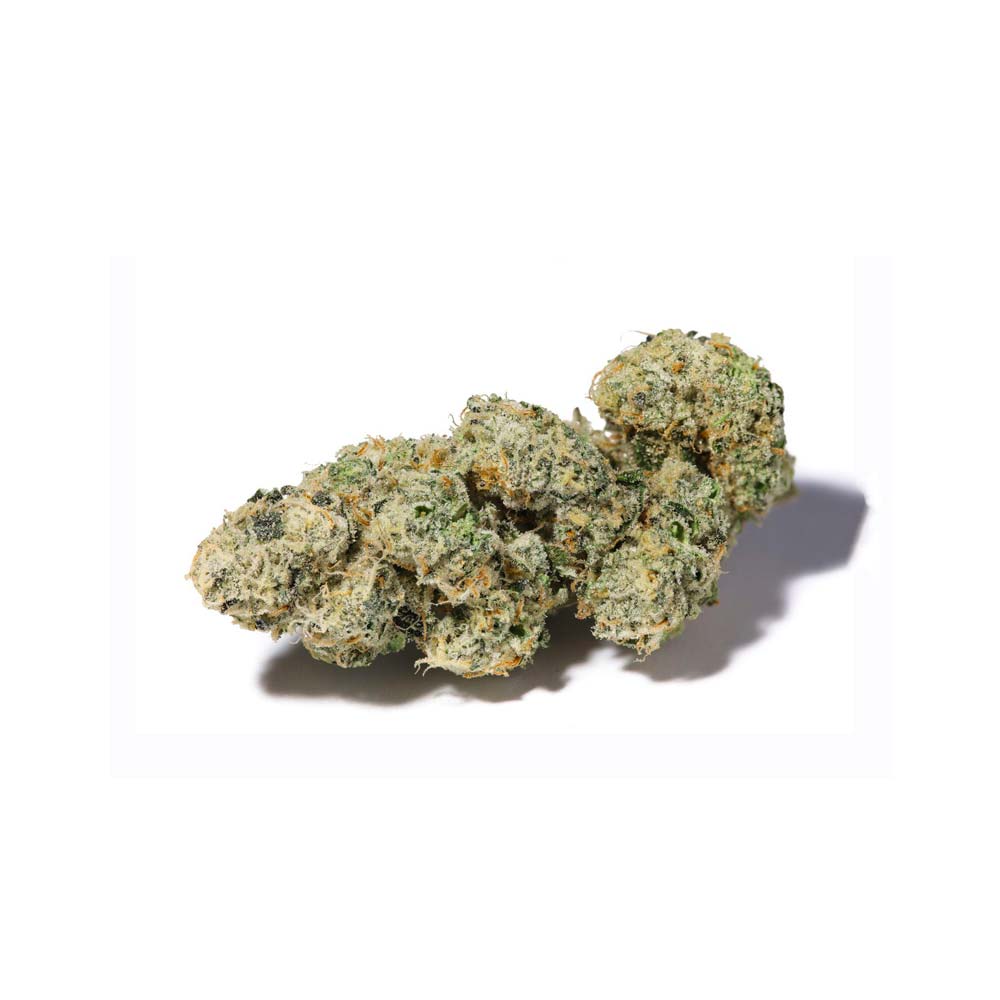
Cannabis flower represents the raw, dried buds of the cannabis plant. In the UK market, legal cannabis flower typically contains less than 0.2% THC and is rich in CBD or other cannabinoids. This form is the traditional way cannabis has been consumed for centuries.
The flower contains the complete plant material, including trichomes, leaves, and stems. These components work together through a phenomenon called the “entourage effect,” where various cannabinoids, terpenes, and flavonoids interact synergistically. According to research from the University of London, this whole-plant approach may enhance therapeutic benefits compared to isolated compounds.
Flower typically contains 5-15% CBD in legal UK products, though potency varies depending on the strain and growing conditions. The product is relatively unprocessed, maintaining its original chemical profile.
Cannabis extract is a concentrated form produced by removing cannabinoids and terpenes from plant material using various extraction methods. These include CO2 extraction, ethanol extraction, and lipid extraction. UK manufacturers often use these techniques to create concentrated products with significantly higher cannabinoid content.
Extracts come in several forms: oils, tinctures, distillates, and isolates. Oils and tinctures are liquid products designed for oral consumption, whilst distillates contain concentrated cannabinoids in paste form. Isolates represent pure CBD or THC separated from other compounds.
Extracts can contain 40-90% CBD or higher, depending on the extraction method and starting material. This concentration makes them substantially more potent than flower, meaning smaller quantities deliver stronger effects.
Potency Comparison
The potency difference between flower and extract is striking. A typical CBD flower contains 8% CBD by weight, meaning a 1-gram serving provides approximately 80mg of CBD. In contrast, a quality CBD oil extract might contain 10mg per drop, allowing users to consume 1000mg from a 30ml bottle with precise dosing.
According to the British Medical Journal, this concentration difference makes extracts more suitable for therapeutic applications requiring higher cannabinoid doses. Medical patients may achieve desired effects with smaller quantities of extract compared to flower.
However, higher potency doesn’t necessarily mean better results. Some users report more pronounced benefits from whole-flower products due to the entourage effect, even though extracts contain more concentrated cannabinoids.
Consumption Methods
Cannabis flower and extract require different consumption approaches. Flower is typically consumed by smoking, vaping, or infusing into oils and butters. Smoking involves combustion, which creates harmful byproducts, though many UK users prefer vaporizers, which heat flower to release cannabinoids without combustion.
Extracts offer versatile consumption methods. CBD oils are taken sublingually (under the tongue) for faster absorption compared to edibles. Some users add extracts to food and drinks, though this requires longer for effects to manifest. Concentrates can be used with vaporizers specifically designed for viscous products.
The choice of consumption method affects onset time and duration. Vaping flower provides effects within minutes, lasting 2-4 hours. Sublingual extracts take 15-45 minutes but offer longer-lasting effects, typically 4-8 hours.
Cost Considerations
Cannabis flower generally costs less per gram than extracts. Legal UK CBD flower typically ranges from £4-8 per gram, whilst high-quality CBD oils cost £0.10-0.30 per milligram of CBD. This makes flower more economical for casual users.
However, when calculating cost per milligram of active cannabinoids, extracts may offer better value for medical users requiring precise, consistent dosing. A patient needing 500mg daily CBD would spend significantly less with extract than flower.
Legal Status in the UK
Both cannabis flower and extracts are legal in the UK if they contain less than 0.2% THC and contain only cannabinoids listed in the Novel Foods Catalogue, particularly CBD. The Food Standards Agency (FSA) regulates CBD products as novel foods, requiring authorisation for sale.
Products must be clearly labelled with cannabinoid content, and manufacturers must provide third-party testing certificates confirming THC levels remain below the legal threshold. Both flower and extracts must comply with these regulations.
Practical Advantages and Disadvantages
Cannabis Flower Advantages: Lower cost, whole-plant entourage effect, familiar consumption method, longer shelf life, and readily available UK suppliers. Users enjoy the ritual of consumption and can observe product quality visually.
Cannabis Flower Disadvantages: Lower cannabinoid concentration, requires more product for therapeutic effects, variable potency between batches, and potential respiratory risks from smoking.
Extract Advantages: Higher potency means smaller quantities needed, precise dosing capability, longer shelf life, discreet consumption, and faster absorption with sublingual methods.
Extract Disadvantages: Higher cost, potential loss of entourage effect with isolates, extraction residue concerns, and less visual quality verification.
Which Should You Choose?
Your choice depends on individual needs. Casual users and those seeking whole-plant benefits may prefer flower. Medical patients requiring consistent, high-dose cannabinoid intake typically benefit from extracts. Budget-conscious consumers should consider flower, whilst those prioritising convenience and dosing accuracy may choose extracts.
UK consumers should purchase from reputable suppliers providing third-party test results, ensuring products meet legal standards and contain advertised cannabinoid levels. Starting with lower doses—whether flower or extract—allows you to assess individual tolerance and effects.
Conclusion
Cannabis flower and extract represent different approaches to accessing cannabinoids, each with distinct advantages. Flower offers traditional consumption with the entourage effect, whilst extracts provide concentrated potency and precise dosing. Understanding these differences enables UK consumers to make informed choices aligned with their preferences, medical needs, and budget constraints. Regardless of choice, purchasing from verified UK suppliers ensuring compliance with cannabinoid regulations ensures safety and quality.
Medical Disclaimer: The information on this page is for educational purposes only and does not constitute medical advice. Always consult a licensed healthcare professional before starting any new treatment.
https://cannazen.co.uk/wp-content/uploads/2026/01/cosmic-mac-cannabis-doctor-prescription-pharmacy-shop-blute.jpg10001000CannaZen UK Editorial Teamhttps://cannazen.co.uk/wp-content/uploads/2026/01/cannazen-shop-lieferung-cannabis-weed-hemp-online.svgCannaZen UK Editorial Team2026-05-14 20:41:382026-05-23 10:54:36Cannabis Flower vs Extract UK – What is the Difference?
We may request cookies to be set on your device. We use cookies to let us know when you visit our websites, how you interact with us, to enrich your user experience, and to customize your relationship with our website.
Click on the different category headings to find out more. You can also change some of your preferences. Note that blocking some types of cookies may impact your experience on our websites and the services we are able to offer.
Essential Website Cookies
These cookies are strictly necessary to provide you with services available through our website and to use some of its features.
Because these cookies are strictly necessary to deliver the website, refusing them will have impact how our site functions. You always can block or delete cookies by changing your browser settings and force blocking all cookies on this website. But this will always prompt you to accept/refuse cookies when revisiting our site.
We fully respect if you want to refuse cookies but to avoid asking you again and again kindly allow us to store a cookie for that. You are free to opt out any time or opt in for other cookies to get a better experience. If you refuse cookies we will remove all set cookies in our domain.
We provide you with a list of stored cookies on your computer in our domain so you can check what we stored. Due to security reasons we are not able to show or modify cookies from other domains. You can check these in your browser security settings.
Google Analytics Cookies
These cookies collect information that is used either in aggregate form to help us understand how our website is being used or how effective our marketing campaigns are, or to help us customize our website and application for you in order to enhance your experience.
If you do not want that we track your visit to our site you can disable tracking in your browser here:
Other external services
We also use different external services like Google Webfonts, Google Maps, and external Video providers. Since these providers may collect personal data like your IP address we allow you to block them here. Please be aware that this might heavily reduce the functionality and appearance of our site. Changes will take effect once you reload the page.
Google Webfont Settings:
Google Map Settings:
Google reCaptcha Settings:
Vimeo and Youtube video embeds:
Other cookies
The following cookies are also needed - You can choose if you want to allow them:
Privacy Policy
You can read about our cookies and privacy settings in detail on our Privacy Policy Page.