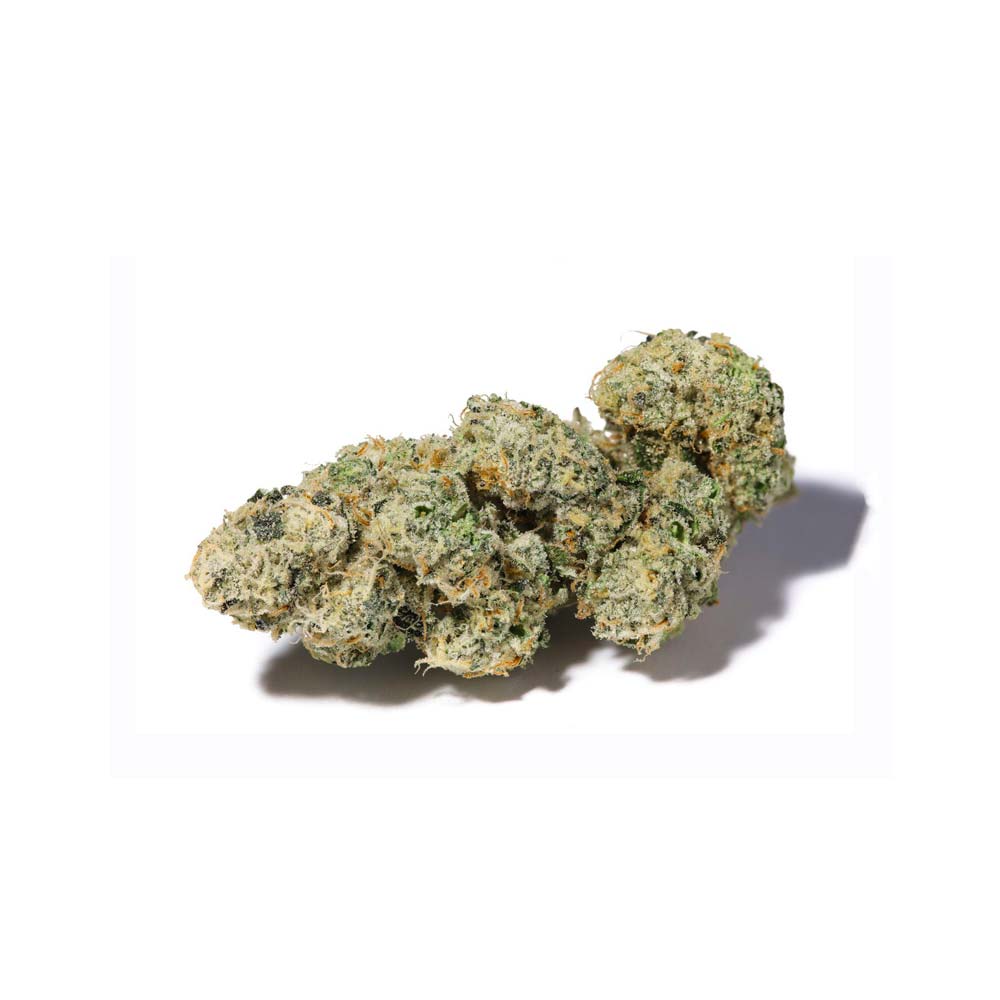
Medical Cannabis for Crohn’s Disease in the UK: A Comprehensive Guide
Understanding Crohn’s Disease and the Need for Alternative Treatments
Crohn’s disease is a chronic inflammatory bowel disease (IBD) that affects the digestive system, causing inflammation, pain, diarrhoea, and malnutrition. Patients often experience periods of remission followed by flare-ups that significantly impact quality of life. Traditional treatments include corticosteroids, immunosuppressants, and biologic therapies, but some patients find these inadequate or experience limiting side effects. This has led to growing interest in medical cannabis as a potential therapeutic option in the United Kingdom.
Over the past decade, scientific research has explored the relationship between cannabinoids and inflammatory bowel disease. The gastrointestinal tract contains cannabinoid receptors (CB1 and CB2) that regulate gut function and immune responses.
Key Research Findings:
Preclinical studies demonstrate that cannabinoids reduce inflammatory markers in the intestine
CB2 receptor activation shows promise in reducing gut inflammation without psychoactive effects
A 2019 survey published in Cannabis and Cannabinoid Research found that 91% of IBD patients using cannabis reported symptom improvement
The University of Massachusetts conducted research showing cannabinoids modulate intestinal inflammation through immune regulation
Multiple studies indicate potential benefits for pain management, appetite stimulation, and sleep improvement in IBD patients
However, it’s important to note that whilst preclinical evidence is encouraging, large-scale randomised controlled trials in human subjects remain limited. The UK’s Medical and Healthcare products Regulatory Agency (MHRA) acknowledges the potential therapeutic value but emphasises the need for further clinical evidence.
Anti-Inflammatory Cannabinoids: CBD and THC
Two primary cannabinoids have shown relevance in Crohn’s disease treatment:
Cannabidiol (CBD)
CBD is non-intoxicating and has demonstrated anti-inflammatory properties without the psychoactive effects of THC. Research suggests CBD may reduce intestinal permeability and modulate immune responses. Many patients prefer CBD-dominant formulations for daytime use, as they don’t impair cognition or mobility.
Tetrahydrocannabinol (THC)
Whilst THC is psychoactive, lower doses may provide therapeutic benefits including anti-inflammatory effects, pain relief, and appetite stimulation—all particularly valuable for Crohn’s patients experiencing weight loss. Medical cannabis formulations in the UK typically contain controlled THC levels to minimise intoxication whilst maximising therapeutic effects. A balanced CBD:THC ratio often provides optimal anti-inflammatory benefits.
Clinical Rationale:
Cannabinoids work synergistically through the “entourage effect,” meaning whole-plant extracts with both CBD and THC may be more effective than isolated compounds. This is why many specialists recommend full-spectrum medical cannabis preparations.
Accessing Medical Cannabis in the UK
The legal landscape for medical cannabis in the UK changed significantly in November 2018 when it became legal to prescribe cannabis-based medicinal products for eligible patients.
NHS Access
Obtaining medical cannabis through the NHS remains challenging. Whilst cannabis is technically prescribable, it’s rarely funded on the NHS due to limited clinical evidence meeting NICE (National Institute for Health and Care Excellence) standards. NHS specialists can refer patients to specialist centres for assessment, but prescriptions are uncommon outside research settings or specific conditions like multiple sclerosis.
Private Specialist Clinics
Most UK patients access medical cannabis through private clinics. These include:
CMC (Cannabis Medical Clinics) – One of the UK’s largest networks offering remote consultations with gastroenterologists
Sapphire Medical Clinics – Specialising in IBD and offering personalised treatment plans
Dispensary Green – Providing comprehensive consultation and supply services
Independent gastroenterologists – Some private specialists now offer medical cannabis assessments
The consultation process typically involves reviewing medical history, current medications, and previous treatments. Specialists assess suitability and may order baseline blood work. Upon approval, patients receive prescriptions for products supplied by licensed pharmacies in the UK.
Costs and Financial Considerations
Medical cannabis treatment in the UK is expensive for most patients, with costs reflecting its private nature and regulatory requirements.
Typical Cost Breakdown:
Initial consultation: £150–£300
Follow-up appointments: £80–£200
Monthly medication: £300–£1,000+ depending on dosage and product type
Annual treatment cost: £2,000–£15,000
Some patients report that improved symptom control reduces other healthcare costs, including hospital admissions and additional medications. A few private health insurance policies may partially cover consultations, though medication coverage is rare. Patient advocacy groups are campaigning for increased NHS coverage to improve accessibility.
Patient Experiences and Real-World Outcomes
Patient testimonies provide valuable insights into practical outcomes:
“I’ve had Crohn’s for twelve years and tried everything. Medical cannabis has genuinely reduced my flare-ups from monthly to quarterly. I sleep better, my pain is manageable, and I’m not constantly fatigued.” – Rachel, 34
“The initial cost is significant, but I’ve reduced my prednisolone dose considerably. My quality of life has improved substantially, and I’m actually able to work full-time again.” – James, 41
Common reported benefits include reduced abdominal pain, decreased frequency of bowel movements, improved appetite, better sleep quality, and reduced anxiety. Many patients note that medical cannabis works best as part of a comprehensive treatment plan rather than as a replacement for conventional medications.
However, some patients report limited effect or side effects such as dizziness or drowsiness, highlighting that responses vary significantly between individuals.
Important Considerations and Cautions
Medical cannabis should complement, not replace, conventional IBD treatments without specialist guidance
Potential drug interactions exist with immunosuppressants and other medications
Driving regulations apply—patients using THC-containing products must not drive whilst impaired
Regular monitoring is essential to assess efficacy and adjust dosing
Quality and consistency of private medical cannabis products vary; ensure products come from licensed UK pharmacies
Conclusion
Medical cannabis represents a promising adjunctive option for some UK Crohn’s disease patients, particularly those resistant to conventional therapies or experiencing significant side effects. Whilst the evidence base continues developing, existing research suggests anti-inflammatory benefits from CBD and THC-containing formulations. Access remains primarily through private clinics at considerable cost, limiting availability for many patients. Those considering this route should consult experienced gastroenterologists, maintain conventional treatments unless advised otherwise, and maintain realistic expectations about outcomes. As research progresses and advocacy efforts increase, NHS access may improve, making this treatment more equitable and accessible to those who could benefit most.
Medical Disclaimer: The information on this page is for educational purposes only and does not constitute medical advice. Always consult a licensed healthcare professional before starting any new treatment.
https://cannazen.co.uk/wp-content/uploads/2026/01/cosmic-mac-cannabis-doctor-prescription-pharmacy-shop-blute.jpg10001000CannaZen UK Editorial Teamhttps://cannazen.co.uk/wp-content/uploads/2026/01/cannazen-shop-lieferung-cannabis-weed-hemp-online.svgCannaZen UK Editorial Team2026-05-14 20:36:072026-05-23 10:41:17Crohn’s Disease and Medical Cannabis UK
We may request cookies to be set on your device. We use cookies to let us know when you visit our websites, how you interact with us, to enrich your user experience, and to customize your relationship with our website.
Click on the different category headings to find out more. You can also change some of your preferences. Note that blocking some types of cookies may impact your experience on our websites and the services we are able to offer.
Essential Website Cookies
These cookies are strictly necessary to provide you with services available through our website and to use some of its features.
Because these cookies are strictly necessary to deliver the website, refusing them will have impact how our site functions. You always can block or delete cookies by changing your browser settings and force blocking all cookies on this website. But this will always prompt you to accept/refuse cookies when revisiting our site.
We fully respect if you want to refuse cookies but to avoid asking you again and again kindly allow us to store a cookie for that. You are free to opt out any time or opt in for other cookies to get a better experience. If you refuse cookies we will remove all set cookies in our domain.
We provide you with a list of stored cookies on your computer in our domain so you can check what we stored. Due to security reasons we are not able to show or modify cookies from other domains. You can check these in your browser security settings.
Google Analytics Cookies
These cookies collect information that is used either in aggregate form to help us understand how our website is being used or how effective our marketing campaigns are, or to help us customize our website and application for you in order to enhance your experience.
If you do not want that we track your visit to our site you can disable tracking in your browser here:
Other external services
We also use different external services like Google Webfonts, Google Maps, and external Video providers. Since these providers may collect personal data like your IP address we allow you to block them here. Please be aware that this might heavily reduce the functionality and appearance of our site. Changes will take effect once you reload the page.
Google Webfont Settings:
Google Map Settings:
Google reCaptcha Settings:
Vimeo and Youtube video embeds:
Other cookies
The following cookies are also needed - You can choose if you want to allow them:
Privacy Policy
You can read about our cookies and privacy settings in detail on our Privacy Policy Page.