
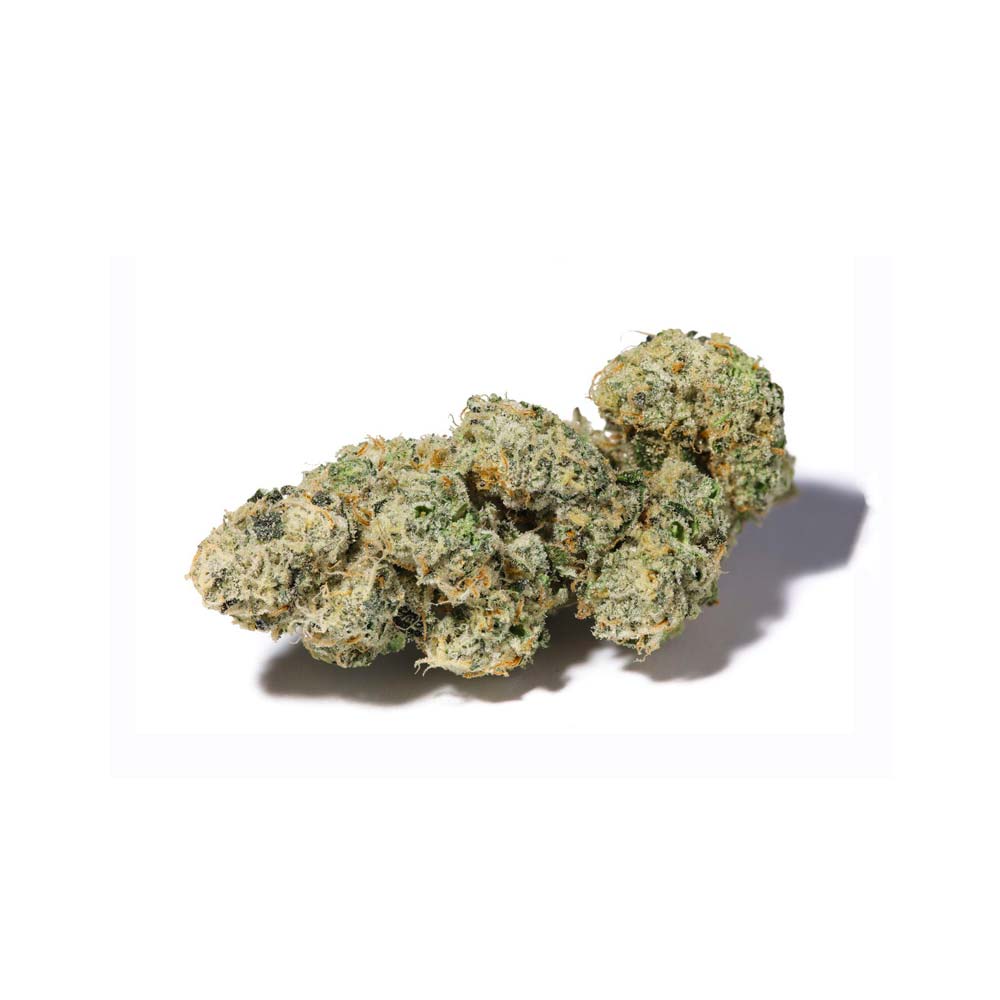
Cannabis for IBS in the UK: A Comprehensive Guide
Understanding IBS and Its Prevalence in the UK
Irritable Bowel Syndrome affects approximately 13 million people across the United Kingdom, making it one of the most common gastrointestinal disorders in the country. Despite its prevalence, IBS remains a condition that significantly impacts quality of life, causing chronic pain, unpredictable bowel movements, and considerable distress for sufferers. The condition varies widely between individuals, with some experiencing predominantly constipation-based symptoms whilst others suffer from diarrhoea-dominant IBS. Many patients find conventional treatments inadequate, leading them to explore alternative remedies such as cannabis.
How Cannabis Affects the Gut: The Endocannabinoid System
To understand cannabis’s potential benefits for IBS, it’s essential to grasp how the endocannabinoid system (ECS) functions within the gastrointestinal tract. The human body produces its own cannabinoids that interact with CB1 and CB2 receptors distributed throughout the digestive system. CB1 receptors are particularly abundant in the gut and play a crucial role in regulating intestinal motility, sensation, and immune function.
When cannabis is consumed, its cannabinoids bind to these receptors, influencing gut movement and reducing visceral sensitivity—the heightened pain perception that characterises IBS. This interaction can help normalise intestinal contractions, reduce inflammation, and modulate the gut-brain axis, which is often dysregulated in IBS sufferers. The endocannabinoid system essentially acts as a communication network between your nervous system and digestive tract, and cannabis supplementation may help restore balance to this system.
Evidence for Cannabis in Reducing IBS Symptoms
Scientific research increasingly supports cannabis’s role in alleviating IBS symptoms. Patients report significant reductions in abdominal pain and cramping, which are hallmark features of the condition. The analgesic properties of cannabinoids help dampen the exaggerated pain signals that IBS patients experience.
Additionally, cannabis addresses urgency—one of the most socially disruptive symptoms—by regulating intestinal motility. Rather than promoting constipation or diarrhoea, cannabis helps restore more normal bowel function. Studies also suggest cannabinoids reduce anxiety-related bowel symptoms, as psychological stress is a major IBS trigger. By calming the nervous system, cannabis indirectly improves digestive health.
Whilst clinical trials specifically examining cannabis for IBS remain limited in the UK, substantial anecdotal evidence and emerging research from other countries demonstrate promising results. Many gastroenterologists are beginning to acknowledge cannabis’s potential, even if formal recommendations remain limited.
CBD Specifically for IBS Management
CBD (cannabidiol) has become particularly popular for IBS sufferers seeking cannabis benefits without psychoactive effects. Unlike THC, CBD does not produce a “high,” making it suitable for daytime use and professional environments. CBD exhibits anti-inflammatory properties and can reduce intestinal permeability, helping to heal the compromised gut barrier associated with IBS.
For those new to cannabis-based treatments or seeking a gentler approach, CBD oil UK products offer a controlled, measured introduction to cannabinoid therapy. CBD works more gradually than THC but provides sustained benefits when used consistently. Many users report improved mood, reduced anxiety around eating, and decreased symptom severity within weeks of regular CBD use.
Full-Spectrum Cannabis for Severe IBS
For patients with particularly severe IBS symptoms unresponsive to standard treatments, full-spectrum cannabis products containing both CBD and THC may prove more effective. This “entourage effect”—where multiple cannabinoids work synergistically—often provides superior symptom relief compared to isolated compounds. However, full-spectrum options require more careful dosing and are typically prescribed through specialised medical channels rather than obtained over-the-counter.
Full-spectrum products are especially valuable for IBS cases complicated by severe anxiety, depression, or chronic pain syndromes, as THC’s mild euphoric properties can improve overall wellbeing alongside physical symptom management.
Does NICE or NHS Recognise Cannabis for IBS?
Currently, neither NICE (National Institute for Health and Care Excellence) nor the NHS formally recognises cannabis as a standard treatment for IBS. Medical cannabis remains prescribed through the NHS only in extremely limited circumstances and primarily for conditions like multiple sclerosis or epilepsy. This represents a significant gap between emerging evidence and official policy.
However, the landscape is evolving. NHS gastroenterologists increasingly acknowledge patients’ interest in cannabis and may provide balanced information about potential benefits and risks, even if they cannot prescribe it themselves. Private practitioners are at the forefront of cannabis medicine for IBS, unencumbered by the restrictive guidelines that constrain NHS prescribing.
Obtaining a Private Prescription for IBS
For UK patients seeking cannabis treatment for IBS, private medical best UK cannabis clinics represent the most straightforward route. To secure a private prescription, you’ll typically need to provide medical history, evidence of your IBS diagnosis, and documentation of previous treatments attempted. Specialist clinics can be found through best UK cannabis clinics directories, which list practitioners experienced in cannabis medicine.
The private prescription process usually involves an initial consultation, sometimes followed by follow-up appointments to monitor effectiveness and adjust dosing. Costs typically range from £100 to £300 for initial consultations, with ongoing prescriptions varying depending on the product chosen.
Best Products and Dosing for IBS
For IBS management, sublingual oils and capsules are generally preferred over smoking or vaping, as they provide consistent dosing and avoid respiratory irritation. Starting with low-dose CBD oils (5-10mg daily) and gradually titrating upwards allows you to identify your optimal dose without overwhelming your system.
Full-spectrum products should be introduced cautiously, perhaps with 1-2mg THC combined with 10-20mg CBD, adjusted based on response. Evening dosing often works well for IBS, as cannabinoids’ relaxation properties can improve sleep quality, indirectly benefiting digestive health.
Combining Cannabis with Lifestyle Modifications
Cannabis works most effectively when integrated into a comprehensive IBS management strategy. Simultaneously implement dietary modifications—eliminating common triggers like FODMAPs, gluten, or dairy—alongside stress-reduction techniques such as mindfulness, yoga, or regular exercise. Cannabis addresses symptom severity whilst these lifestyle factors target underlying causes.
Adequate hydration, regular sleep schedules, and gut-friendly supplementation with probiotics or psyllium husk complement cannabis treatment beautifully. This holistic approach maximises symptom relief and potentially enables dose reduction over time. Monitor your symptoms systematically using a symptom diary to objectively assess cannabis’s contribution alongside lifestyle changes.