
Cannabis for Ulcerative Colitis in the UK: A Comprehensive Guide
Ulcerative colitis (UC) is a debilitating inflammatory bowel disease affecting thousands of UK patients. As conventional treatments fail for some individuals, medical cannabis has emerged as a potential therapeutic option. This guide explores the relationship between cannabis and UC, examining the endocannabinoid system, current clinical evidence, available products, and NHS versus private treatment pathways.
Understanding Ulcerative Colitis and the Endocannabinoid System
Ulcerative colitis causes chronic inflammation of the colon and rectum, leading to abdominal pain, diarrhoea, and systemic complications. Standard treatments including corticosteroids, aminosalicylates, and immunosuppressants work for many patients but fail or become ineffective in approximately 20-30% of cases.
The endocannabinoid system (ECS) plays a crucial role in gastrointestinal health and immune regulation. This complex signalling system comprises cannabinoid receptors (CB1 and CB2), endogenous cannabinoids, and metabolic enzymes. CB2 receptors are particularly abundant in immune cells throughout the gut-associated lymphoid tissue. The ECS modulates intestinal permeability, immune tolerance, and inflammatory responses. Dysregulation of the ECS contributes to IBD pathogenesis, suggesting cannabinoid-based therapies could restore balance and reduce inflammation.
Clinical Evidence for Cannabis in UC
Research into cannabis for UC remains limited compared to other therapeutic areas. However, existing evidence provides cautious optimism. Preclinical studies demonstrate that cannabinoids reduce intestinal inflammation in animal models of colitis. CBD inhibits pro-inflammatory cytokine production and preserves intestinal barrier function, while THC modulates immune responses through CB2 receptor activation.
Human clinical trials remain scarce. A small UK-based observational study of Crohn’s disease patients using cannabis reported symptom improvement, though rigorous controlled trials are lacking for UC specifically. A 2021 meta-analysis found cannabis use associated with symptom relief in some IBD patients but emphasised the need for high-quality evidence. The lack of large-scale randomised controlled trials means cannabis remains outside conventional treatment guidelines, though many gastroenterologists acknowledge growing patient interest and anecdotal reports of benefit.
Importantly, cannabis has not been shown to induce remission or heal intestinal tissue in UC. Its potential role appears limited to symptomatic management—particularly pain, nausea, and diarrhoea—rather than addressing underlying inflammation definitively.
Mechanisms of Action in IBD
Cannabis compounds work through multiple mechanisms relevant to UC. CBD exhibits anti-inflammatory and antioxidant properties without causing intoxication. It reduces TNF-alpha and IL-6 production, key pro-inflammatory cytokines elevated in UC. THC acts primarily through CB1 and CB2 receptors, reducing gut motility and visceral pain perception.
Both cannabinoids strengthen intestinal epithelial tight junctions, reducing “leaky gut” and bacterial translocation. They modulate the immune response towards tolerance rather than inflammation. Additionally, cannabinoids exhibit antimicrobial properties against dysbiotic organisms implicated in IBD.
Available Medical Cannabis Products in the UK
Since November 2018, UK-licensed medical cannabis products have been legal when prescribed by registered specialists. Currently available pharmaceutical-grade options include:
Nabilone is a synthetic cannabinoid approved for chemotherapy-induced nausea. Some private clinicians prescribe it off-label for IBD symptoms, though evidence specific to UC is limited.
Sativex (nabiximols) is a whole-plant extract containing balanced CBD and THC. Originally approved for multiple sclerosis spasticity, some specialists consider it for IBD-related pain and spasticity, though it remains expensive and poorly supported by UC-specific evidence.
Epidyolex is pure CBD approved for specific epilepsy types. Though not indicated for UC, some private practitioners prescribe it off-label given CBD’s anti-inflammatory properties.
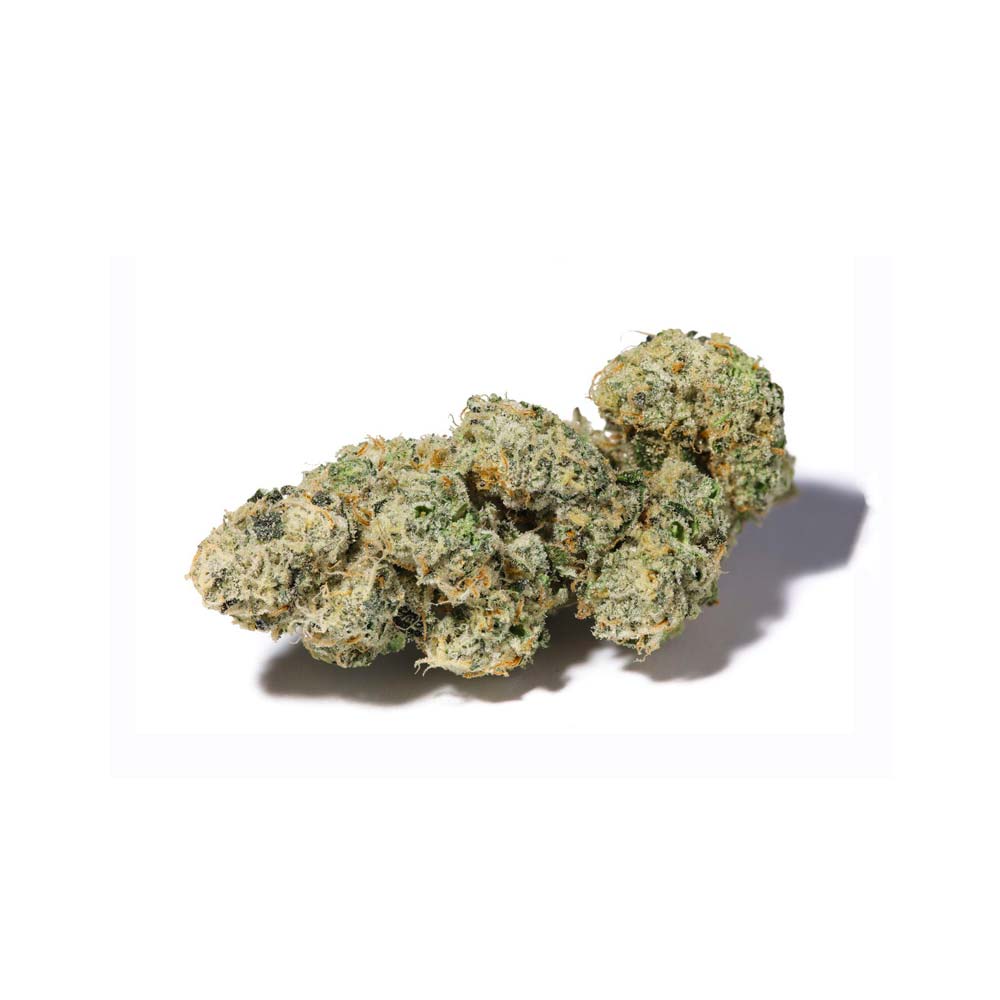
Additionally, private clinics may offer bespoke cannabis flower or oils with varying CBD:THC ratios, cultivated under Home Office licensing specifically for medical use. These products undergo testing for cannabinoid content and microbial contamination.
NHS Pathway Versus Private Treatment
Accessing medical cannabis through the NHS for UC is exceptionally difficult. Medical cannabis is not recommended in NICE guidelines for IBD. NHS prescriptions are virtually non-existent outside specialist best UK cannabis clinics, which remain limited geographically and typically reserve cannabis for neurological conditions (epilepsy, multiple sclerosis, chronic pain) rather than gastroenterology.
To access NHS cannabis, patients typically require failed treatments with multiple conventional therapies documented, specialist gastroenterology input supporting consideration, and referral to a rare NHS best UK cannabis clinics. Even then, approval is uncertain and lengthy.
Private medical best UK cannabis clinics offer faster access and broader indication consideration. Reputable private providers charge consultation fees (£150-300) plus medication costs (£100-400 monthly depending on product). Private practitioners conduct thorough assessments, review drug interactions, and provide ongoing monitoring. However, quality varies significantly, and patients should verify clinic credentials and doctor GMC registration.
Safety Considerations and Practical Advice
Medical cannabis carries potential risks for UC patients. THC may worsen some GI symptoms including diarrhoea at higher doses. Drug interactions with azathioprine, mesalamine, and other IBD medications require specialist assessment. Smoking is contraindicated; inhalation via dry-herb vaporiser or oral consumption is preferable.
Patients should maintain honest communication with their gastroenterologist, even if privately seeking cannabis, to monitor disease progression and ensure integrated care.
Conclusion
Medical cannabis shows potential for symptomatic relief in UC through endocannabinoid system modulation, though robust clinical evidence remains limited. NHS access is extremely restricted, leaving private clinics as the primary current pathway. Any consideration of cannabis should supplement, never replace, evidence-based IBD treatment under specialist supervision.