Hemp farming in the United Kingdom has experienced significant growth over the past decade, transforming from a niche agricultural practice into a viable commercial enterprise. This guide explores the regulatory landscape, licensing requirements, CBD cultivation, the current farming landscape, post-Brexit considerations, and the expanding market for hemp products across the nation.
Understanding Industrial Hemp Licensing
Before commencing any hemp cultivation in the UK, farmers must understand the legal framework governing industrial hemp production. The Home Office plays a crucial role in regulating hemp farming through its licensing system, which distinguishes between fibre hemp and cannabis crops intended for other purposes.
Industrial hemp is legally defined in the UK as cannabis sativa L. with a tetrahydrocannabinol (THC) content of no more than 0.2% by dry weight. This threshold is significantly lower than cannabis varieties cultivated for recreational or medicinal purposes, ensuring that industrial hemp cannot be utilised as an intoxicating substance.
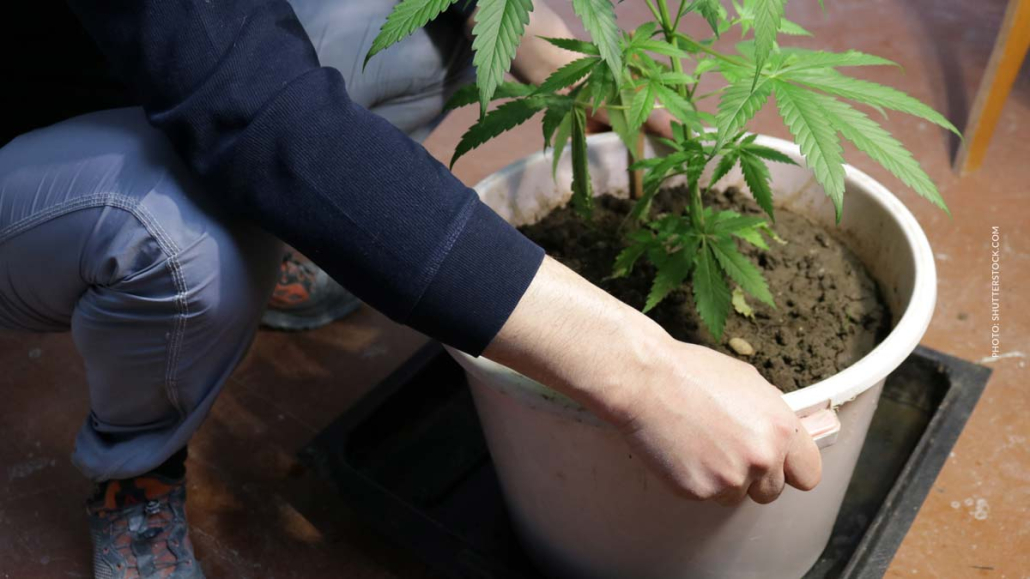
Farmers seeking to grow hemp must obtain a Home Office Drugs Licence before planting. This licence is mandatory for all commercial cultivation and must be renewed annually. The application process involves submitting detailed plans regarding cultivation location, security measures, and the specific hemp varieties to be grown. The Home Office maintains a register of approved hemp varieties, and only these certified strains can be legally cultivated. Farmers are required to keep meticulous records of crop management, harvesting, and sale of materials throughout the growing season.
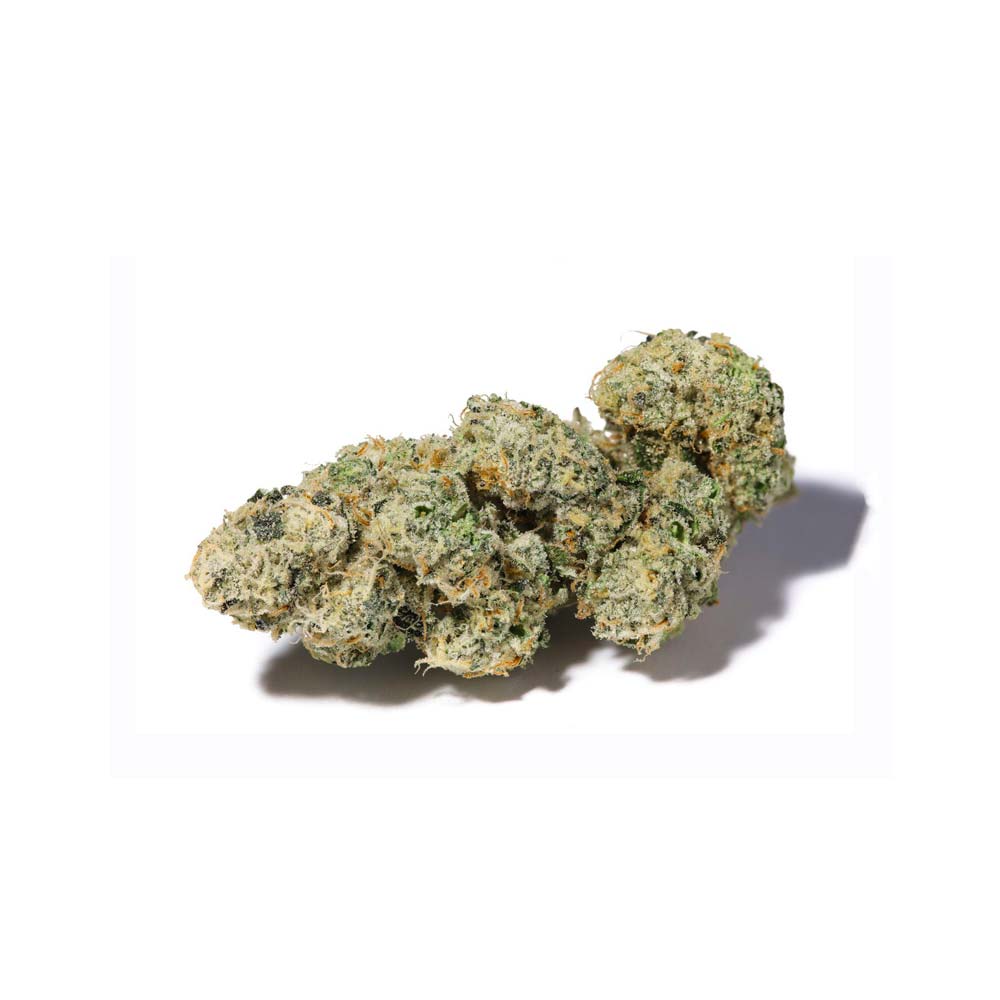
Cannabidiol (CBD) has emerged as one of the most commercially valuable compounds extracted from industrial hemp plants. Unlike THC, CBD does not produce intoxicating effects, making it attractive for numerous wellness and medical applications. UK farmers increasingly focus on cultivating CBD-rich hemp strains specifically selected for their cannabinoid profiles.
Popular CBD hemp varieties grown in the UK include Cherry Wine, Lifter, and Elektra, among others. These strains have been developed to maximise CBD content whilst maintaining THC levels below the legal 0.2% threshold. Successful CBD hemp cultivation requires careful attention to environmental conditions, including temperature, humidity, and light exposure. The UK’s temperate climate presents both challenges and opportunities for CBD hemp production, as the growing season must be timed carefully to achieve optimal maturity.
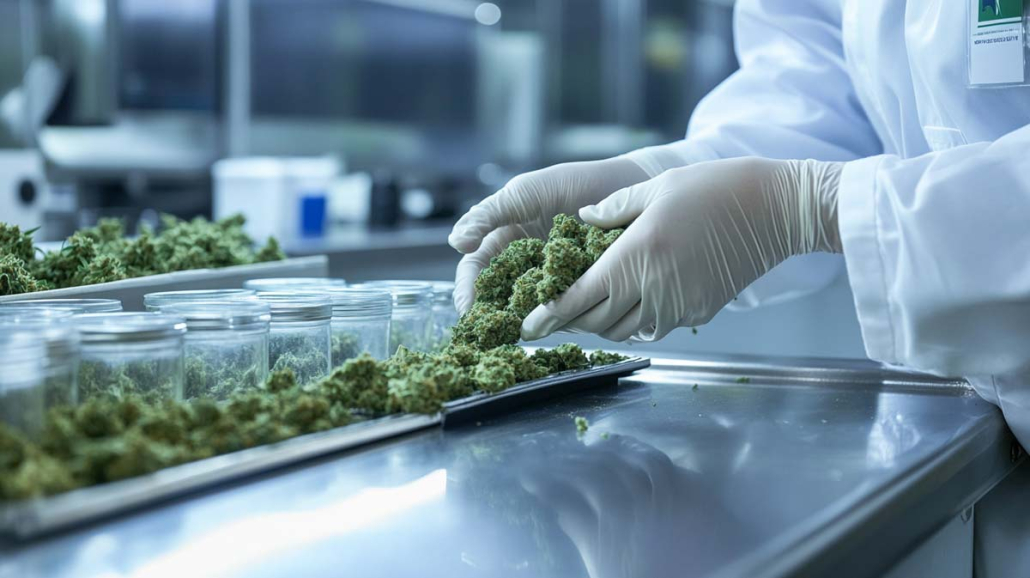
Farmers cultivating CBD-rich hemp must understand the distinction between raw plant material and finished CBD products. Whilst growing hemp with approved strains is legal under Home Office licence, the subsequent extraction and processing of CBD is regulated separately. Any CBD product intended for human consumption must comply with Food Standards Authority (FSA) regulations, and producers must adhere to strict quality, safety, and labelling standards. This separation between cultivation and product manufacture is essential for farmers considering vertically integrated operations.
The UK Hemp Farming Community
The UK hemp farming sector has expanded considerably, with farmers scattered across England, Wales, Scotland, and Northern Ireland. The Industrial Hemp Association represents many commercial growers, providing advocacy, technical support, and market intelligence. Current estimates suggest several hundred licensed hemp farms operate across the United Kingdom, ranging from small-scale operations to substantial agricultural enterprises.
Established hemp farmers often diversify their operations beyond CBD extraction. Many utilise hemp fibre for textile production, paper manufacturing, and bioplastic applications. Seeds are harvested for nutritional products and animal feed. Hurds (woody plant material) find applications in construction materials, animal bedding, and horticultural substrates. This diversification helps farmers maximise profitability and manage market fluctuations in any single product category.
Networking within the UK hemp farming community has become increasingly important. Agricultural shows, industry conferences, and online forums facilitate knowledge sharing regarding cultivation techniques, pest management, and market opportunities. Experienced farmers mentor newcomers, helping them navigate the complex regulatory environment and avoid costly mistakes.
Post-Brexit Import and Trade Considerations
Brexit has substantially altered the dynamics of hemp product importation and trade in the United Kingdom. Previously, hemp products could move freely within the European Union; however, post-Brexit arrangements have introduced new regulatory requirements and customs procedures.
Imported hemp seeds, plant material, and finished products must now pass through UK customs clearance and comply with domestic regulations. Tariffs may apply to imported hemp materials, affecting the competitiveness of domestic producers relative to European suppliers. Importantly, CBD products imported from the European Union or beyond face the same FSA regulations as domestically produced goods, requiring pre-market compliance assessment.
The regulatory divergence between the UK and EU presents both challenges and opportunities. UK producers must ensure their CBD and hemp products meet British standards, which may differ subtly from EU requirements. Conversely, UK farmers exporting to the EU must satisfy European regulations, creating a dual compliance burden for larger operations. Tariffs have made some imported hemp products more expensive, potentially increasing demand for domestic production.
The Expanding Hemp Products Market
Consumer demand for hemp-derived products has grown substantially throughout the UK, creating significant opportunities for farmers and processors. The hemp products market encompasses diverse categories, including CBD oils and tinctures, topical preparations, edible products, textiles, construction materials, and nutritional supplements.
The wellness sector represents the largest market segment, with CBD products increasingly appearing on high street retailers’ shelves. Major pharmacy chains, health food shops, and online retailers stock an extensive range of CBD preparations. Market research indicates that millions of UK consumers have tried CBD products, with regular users numbering in the hundreds of thousands. This consumer base drives sustained demand for quality hemp material.
Beyond CBD, industrial applications continue expanding. Hemp textiles appeal to fashion-conscious consumers seeking sustainable alternatives to conventional materials. Hemp-based building materials attract construction companies pursuing environmentally responsible practices. Animal feed producers incorporate hemp seeds for their nutritional profile. This product diversity ensures that hemp farmers can serve multiple markets, reducing dependence on any single buyer or product category.
The UK hemp market faces challenges from cheaper imports and unregulated CBD products, yet quality domestic production commands premium prices. Consumers increasingly seek transparency regarding product sourcing and production methods, favouring domestically grown hemp with clear provenance and rigorous quality control.
Future Prospects and Recommendations
Hemp farming in the UK appears positioned for continued growth, supported by regulatory clarity, established supply chains, and robust consumer demand. Prospective farmers should thoroughly research licensing requirements, secure experienced agricultural advice, and develop clear marketing strategies for their intended products. Understanding the complete supply chain—from cultivation through to finished product—enables farmers to identify the most profitable opportunities within this dynamic sector.
The combination of favourable UK growing conditions, streamlined licensing procedures, and expanding market demand creates an attractive environment for agricultural entrepreneurs. Success requires commitment to regulatory compliance, investment in appropriate growing infrastructure, and strategic positioning within the rapidly evolving hemp products market.
Medical Disclaimer: The information on this page is for educational purposes only and does not constitute medical advice. Always consult a licensed healthcare professional before starting any new treatment.
https://cannazen.co.uk/wp-content/uploads/2026/01/cosmic-mac-cannabis-doctor-prescription-pharmacy-shop-blute.jpg10001000CannaZen UK Editorial Teamhttps://cannazen.co.uk/wp-content/uploads/2026/01/cannazen-shop-lieferung-cannabis-weed-hemp-online.svgCannaZen UK Editorial Team2026-05-14 20:36:052026-05-23 10:41:17Hemp Farming UK – CBD and Industrial Hemp Guide
We may request cookies to be set on your device. We use cookies to let us know when you visit our websites, how you interact with us, to enrich your user experience, and to customize your relationship with our website.
Click on the different category headings to find out more. You can also change some of your preferences. Note that blocking some types of cookies may impact your experience on our websites and the services we are able to offer.
Essential Website Cookies
These cookies are strictly necessary to provide you with services available through our website and to use some of its features.
Because these cookies are strictly necessary to deliver the website, refusing them will have impact how our site functions. You always can block or delete cookies by changing your browser settings and force blocking all cookies on this website. But this will always prompt you to accept/refuse cookies when revisiting our site.
We fully respect if you want to refuse cookies but to avoid asking you again and again kindly allow us to store a cookie for that. You are free to opt out any time or opt in for other cookies to get a better experience. If you refuse cookies we will remove all set cookies in our domain.
We provide you with a list of stored cookies on your computer in our domain so you can check what we stored. Due to security reasons we are not able to show or modify cookies from other domains. You can check these in your browser security settings.
Google Analytics Cookies
These cookies collect information that is used either in aggregate form to help us understand how our website is being used or how effective our marketing campaigns are, or to help us customize our website and application for you in order to enhance your experience.
If you do not want that we track your visit to our site you can disable tracking in your browser here:
Other external services
We also use different external services like Google Webfonts, Google Maps, and external Video providers. Since these providers may collect personal data like your IP address we allow you to block them here. Please be aware that this might heavily reduce the functionality and appearance of our site. Changes will take effect once you reload the page.
Google Webfont Settings:
Google Map Settings:
Google reCaptcha Settings:
Vimeo and Youtube video embeds:
Other cookies
The following cookies are also needed - You can choose if you want to allow them:
Privacy Policy
You can read about our cookies and privacy settings in detail on our Privacy Policy Page.