
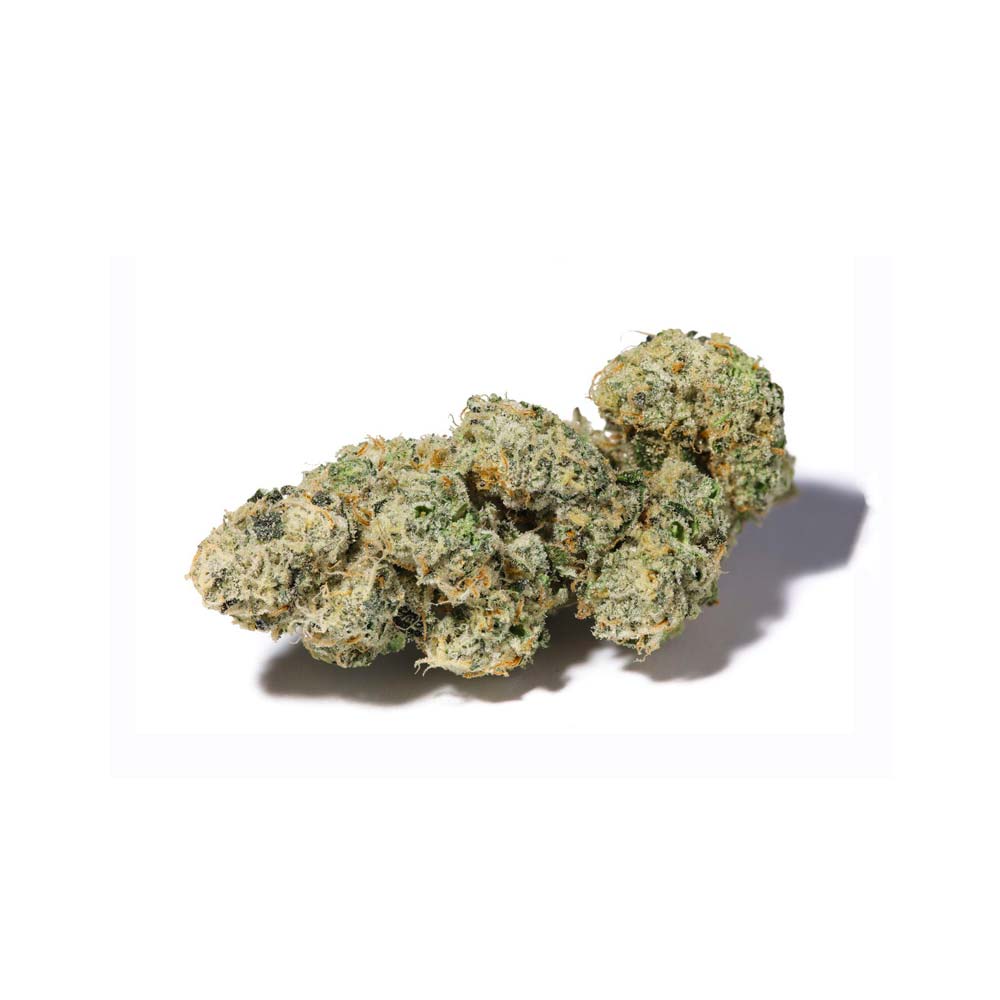
Home Growing Cannabis in the UK: Legal Status and Comprehensive Guide
Current Legal Status in the United Kingdom
Cannabis remains classified as a Class B controlled drug under the Misuse of Drugs Act 1971 in the United Kingdom. This classification applies to the possession, cultivation, supply, and importation of cannabis in all its forms, regardless of the intended use.
The legal framework makes no distinction between home cultivation for personal use and cultivation for distribution. Growing even a single cannabis plant at home is a criminal offence. The classification of cannabis as a Class B drug reflects the government’s position that the substance poses significant public health and social risks.
Unlike some countries that have established legal frameworks for home cultivation—either for medical or recreational purposes—the UK maintains comprehensive prohibition on domestic growing. This policy remains consistent across England, Scotland, Wales, and Northern Ireland, although each nation does have some devolved powers regarding enforcement priorities.
Criminal Penalties for Home Growing
Cultivation of cannabis carries substantial legal consequences. The maximum penalty for growing cannabis is:
The actual sentence imposed varies considerably depending on several factors:
- Quantity grown: A small number of plants suggests personal use, whilst larger operations indicate commercial intent
- Growing sophistication: Use of professional equipment, hydroponic systems, and high-intensity lights suggests organised cultivation
- Previous convictions: Prior drug-related offences result in harsher sentences
- Guilty plea: Early guilty pleas typically result in reduced sentences
- Aggravating factors: Growing near schools or involving vulnerable persons increases penalties
For cases involving smaller quantities with no aggravating factors, sentences might range from community orders to several years imprisonment. However, courts take cultivation seriously due to associations with organised crime and the potential for large-scale production.
Beyond criminal sentences, individuals convicted may face:
- Criminal record that affects employment, housing, and travel prospects
- Confiscation of assets under the Proceeds of Crime Act
- Withdrawal of professional licenses (particularly for healthcare, education, and financial sectors)
- Immigration consequences for non-British citizens
- Difficulty obtaining mortgages or other financial products
Why Patients Cannot Grow Cannabis Legally
Despite increased acceptance of cannabis-based medicinal products, the UK offers no legal pathway for patients to grow cannabis at home, even with prescriptions or medical justification.
Regulatory Position: Cannabis remains a Schedule 1 drug under the Misuse of Drugs Regulations 2001. Although the government made limited changes in November 2018 to allow specialist doctors to prescribe cannabis-based medicinal products in exceptional cases, this does not extend to home cultivation rights.
Medical Cannabis Access: Patients may potentially access cannabis-based medicines through the NHS or private prescription, but only through:
- Specialist hospital consultants with appropriate licences
- Registered pharmaceutical products
- Properly regulated supply chains
Even patients with explicit medical need cannot legally grow their own cannabis plants. The government’s position is that:
- Standardised pharmaceutical products allow for proper dose control and safety monitoring
- Home cultivation creates risks of contamination, inconsistent potency, and diversion to illegal markets
- Regulated medical pathways protect vulnerable patients from substandard products
- Allowing home growing would undermine enforcement of cannabis prohibition generally
This remains a contentious policy, with patient advocacy groups and some medical professionals arguing that certain patients with specific conditions (such as severe epilepsy or chemotherapy-related symptoms) should have access to home cultivation. However, current legislation provides no such exception.
International Comparison: How the UK Differs
| Country | Legal Status | Home Growing Permitted? |
|---|---|---|
| Canada | Fully legal for recreational use | Yes—up to 4 plants per household for adults |
| Netherlands | Decriminalised (not technically legal) | No home growing; tolerated in coffee shops only |
| Spain | Legal for personal possession and consumption | Yes—private cultivation for personal use permitted |
| Germany | Illegal but with decriminalisation below thresholds | No home growing permitted |
| Australia | Illegal federally; some states permit medical use | No—strictly prohibited except licensed producers |
| United States | Varies by state | Varies—legal in recreational states (typically 4-6 plants); illegal federally |
| United Kingdom | Class B controlled drug | No—absolute prohibition on home cultivation |
The UK’s approach is notably stricter than several comparable nations. Countries such as Canada, Spain, and parts of the United States permit home cultivation within defined limits. Even in the Netherlands, where cannabis is famously tolerated, home growing is not permitted—cultivation is restricted to licenced coffee shops.
The UK government has resisted calls to adopt more permissive policies regarding home growing, citing concerns about public health, youth access, driving under the influence, and the potential environmental and property damage caused by large-scale indoor cultivation operations.
Recent Developments and Future Outlook
Public attitudes toward cannabis have shifted considerably in recent years, with polls indicating increasing support for legalisation or decriminalisation. However, government policy has moved only marginally, restricted to limited medical access. No major political party currently advocates full legalisation with home-growing rights.
Campaigns continue by patient groups, harm reduction advocates, and reform organisations seeking to change the legal framework. Any future changes would require primary legislation through Parliament, representing a significant political hurdle.
Conclusion
Home cultivation of cannabis remains firmly illegal throughout the United Kingdom under Class B drug provisions, carrying penalties of up to 14 years imprisonment. Unlike several comparable countries, the UK offers no exceptions for medical patients or home growers. This remains the case despite growing international recognition of cannabis’s therapeutic potential and shifting public opinion. Individuals considering cultivation should be aware of the serious legal consequences and the absence of any lawful pathway for home growing, regardless of intended use or medical justification.