
What is Weed/Cannabis in the UK: A Complete Guide
The Plant: Botanical Basics
Cannabis is a plant species scientifically known as Cannabis sativa. It contains over 100 chemical compounds called cannabinoids, with two being most prominent: THC (tetrahydrocannabinol) and CBD (cannabidiol). THC is the psychoactive compound responsible for the “high” associated with cannabis use, while CBD does not produce intoxication but may have therapeutic properties. The plant has been cultivated for thousands of years for fibre, seeds, and medicinal purposes across various cultures.
Types and Strains
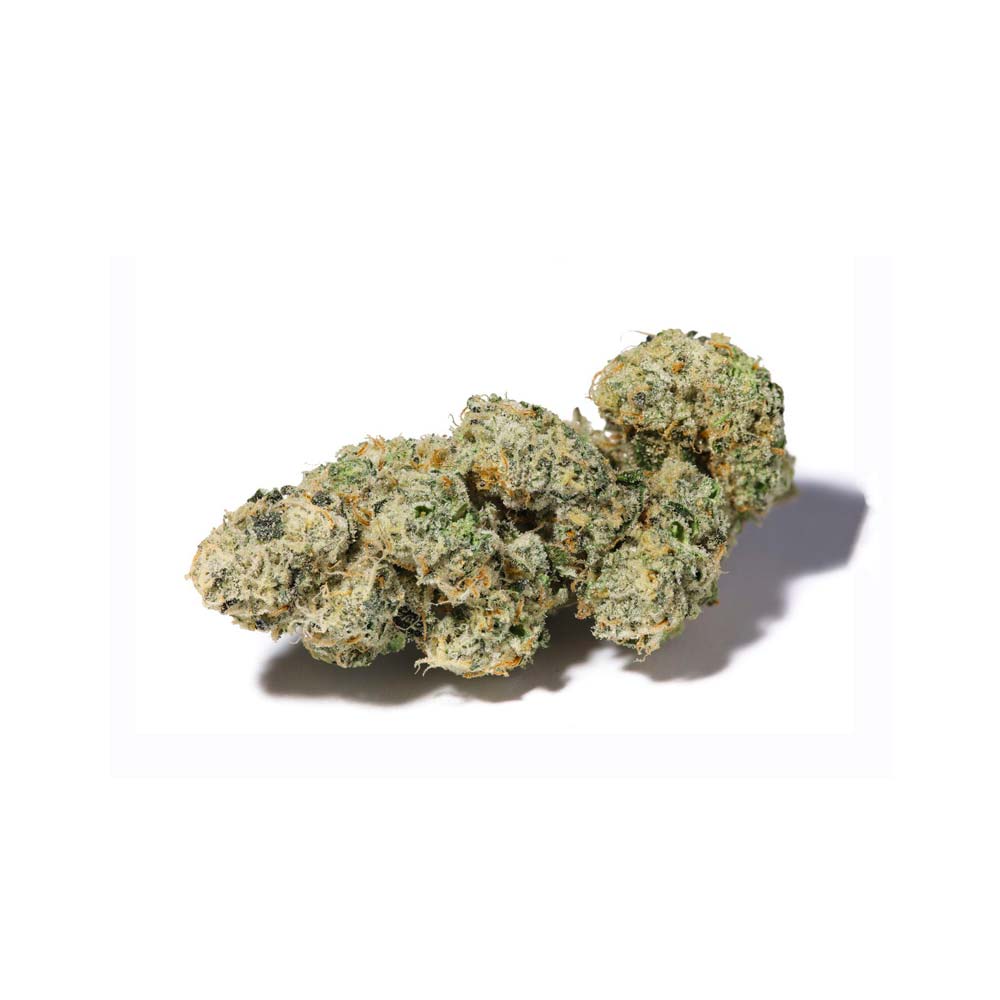
Cannabis is typically categorized into three main types based on their characteristics and cannabinoid profiles. Sativa strains generally produce uplifting, energetic effects and tend to have higher THC-to-CBD ratios. Indica strains are often associated with relaxing, sedative effects. Hybrid strains combine characteristics of both. In the UK market, cannabis is often informally categorized by potency and appearance: “hash” or hashish is a concentrated resin product, “buds” or “flowers” are the dried flowering parts of the plant, and “edibles” are food products infused with cannabis. Modern cannabis products in the UK have become increasingly potent, with some strains containing THC levels exceeding 20%, compared to historical averages of 3-4%.
How Cannabis Affects the Body and Mind
When consumed, cannabis affects the brain through the endocannabinoid system, which regulates mood, memory, appetite, and pain perception. Short-term effects typically include altered perception, impaired memory, increased heart rate, and changes in mood ranging from euphoria to anxiety. These effects usually last between 2-8 hours depending on consumption method and individual factors. Some users report enhanced creativity or relaxation, while others experience paranoia or panic, particularly with high-THC products.
Long-term cannabis use carries potential health risks. Regular use can affect memory and learning, impair motivation, and impact mental health. Research suggests links between heavy cannabis use and psychotic disorders in vulnerable individuals, particularly when use begins in adolescence. Cannabis smoke contains many of the same carcinogenic compounds as tobacco smoke. Additionally, cannabis can be psychologically addictive, with approximately 9% of users developing cannabis use disorder (higher in those starting young or using daily).
Legal Status in the UK
Cannabis remains illegal for recreational use throughout the United Kingdom. It is classified as a Class B drug under the Misuse of Drugs Act 1971, meaning possession can result in up to five years imprisonment, an unlimited fine, or both. Supplying or producing cannabis carries far harsher penalties, with sentences reaching 14 years. However, legal consequences for possession have become less severe in practice, with many police forces issuing warnings rather than arrests for small quantities.
The legal landscape has shifted slightly regarding medical cannabis. In 2018, the UK government reclassified cannabis-based medicinal products, acknowledging their therapeutic potential. Doctors can now legally prescribe cannabis-derived medicines for specific conditions, though this remains rare and restricted to hospital specialists. Eligible conditions include epilepsy, multiple sclerosis, and chemotherapy-related nausea. However, these prescribed products are highly regulated pharmaceutical preparations, entirely different from recreational cannabis available on the street.
Medical Cannabis vs. Recreational Use
Medical cannabis refers to cannabis used under clinical supervision to treat specific medical conditions. The evidence base supports cannabis for treating epilepsy (particularly in children), chronic pain, multiple sclerosis spasticity, and chemotherapy-induced nausea. Medical-grade products have standardized cannabinoid content, quality control, and transparent dosing. Patients receive professional guidance and monitoring.
Recreational use involves consuming cannabis for pleasure or relaxation without medical supervision. It remains illegal in the UK, though decriminalization has been discussed. The recreational cannabis available through illegal channels has no quality control, unknown potency, and variable cannabinoid profiles—some products are adulterated with dangerous substances like synthetic cannabinoids. Users have no professional guidance on safe dosing or potential interactions with other medications.
UK-Specific Context
The UK presents a unique situation regarding cannabis. While illegal, it remains the most commonly used illegal drug, with approximately 7% of the adult population using it annually. Public attitudes have shifted significantly, with recent surveys showing majority support for legalization or decriminalization. However, government policy remains restrictive compared to many other countries.
The UK has experienced growing concern about “skunk”—high-potency cannabis strains with THC levels sometimes exceeding 30%. These products are particularly associated with mental health problems, particularly psychosis in young people. Public health organizations warn that the cannabis available today bears little resemblance to the cannabis of previous decades in terms of potency.
Police enforcement varies regionally. While technically illegal, possession of small amounts for personal use increasingly results in warnings rather than prosecution, particularly in urban areas. However, this informal decriminalization remains inconsistent across the country. Supply, cultivation, and distribution remain serious criminal offences prosecuted vigorously.
The UK has also grappled with the “cannabis paradox”: evidence increasingly supports medical benefits for specific conditions, yet recreational use remains prohibited. This creates frustration for patients and healthcare practitioners. Some patients travel to countries where medical cannabis is more accessible, while others continue seeking illegal street products despite health risks.
Current Debates
Discussion about cannabis in the UK typically centres on three areas: potential legalization or decriminalization to reduce incarceration and fund drug treatment; expanding medical cannabis access for patients with eligible conditions; and public health concerns about potent modern cannabis and its effects on adolescent brain development. These conversations continue evolving as more countries experiment with legalization and research reveals additional information about cannabis’s long-term health impacts.
Further Reading
- Medical Cannabis Birmingham — Clinics, Prescriptions Guide
- Medical Cannabis UK — Complete Guide
- Cannabis Cultivation Harvest Guide