
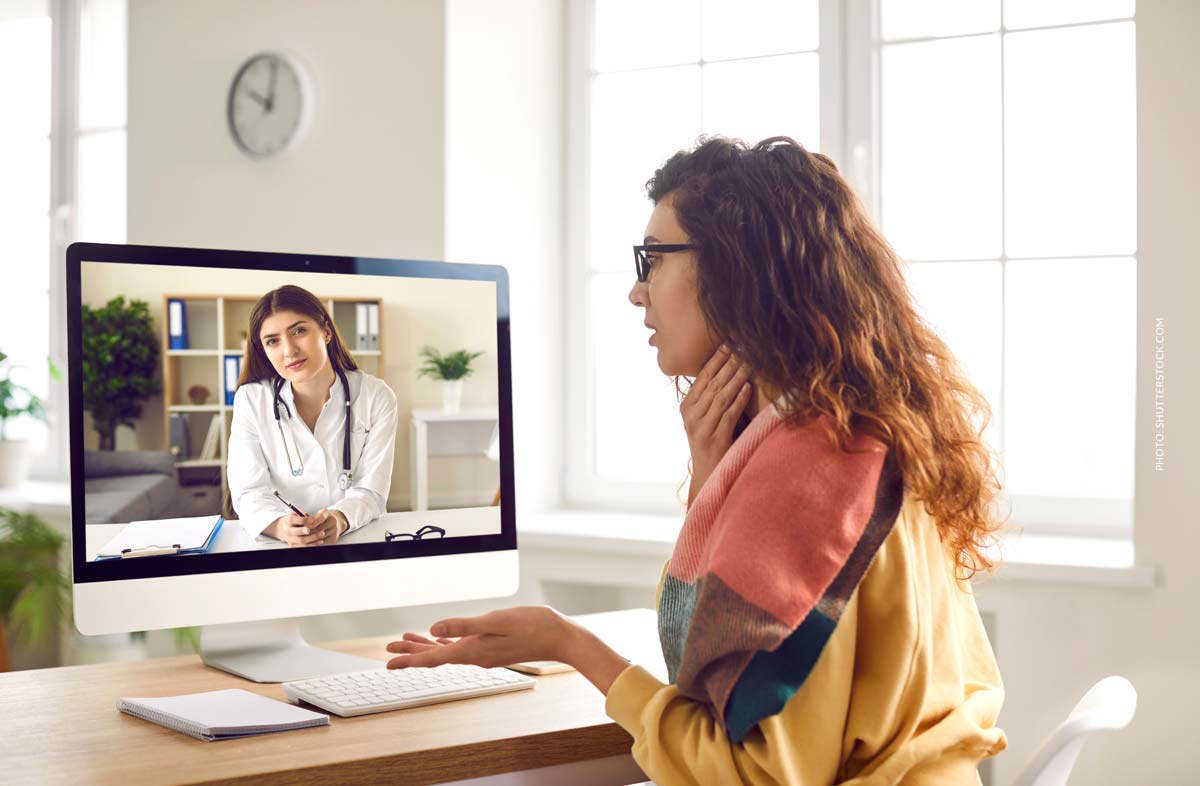
Telemedicine has long been more than just a trend – it is changing the way medical care is conceived and implemented in Europe. Various studies clearly show that the use of digital solutions brings numerous benefits, but is also accompanied by political and infrastructural challenges. When I heard today that one in four treatments in France – i.e. 25% of all prescriptions – take place online(telemedicine), I was surprised. In Germany, this figure is only 8% of prescriptions. Reason enough to take a look at current studies and statistics on the use of telemedicine in Europe.
Germany at the bottom, why is that?
According to several studies, Germany regularly ranks at the bottom when it comes to the use of telemedicine. There are many reasons for this:
According to the Bertelsmann Stiftung, there is a lack of an overarching digital strategy in the healthcare sector, while data protection concerns, inconsistent IT systems and complicated billing requirements are also hampering implementation. The WHO also points to the lack of access to digital services and reservations among doctors and patients. While other countries have set clear standards and financial incentives, there is a lack of coordination and political will for consistent digitalization in Germany.
What are the advantages of telemedicine?
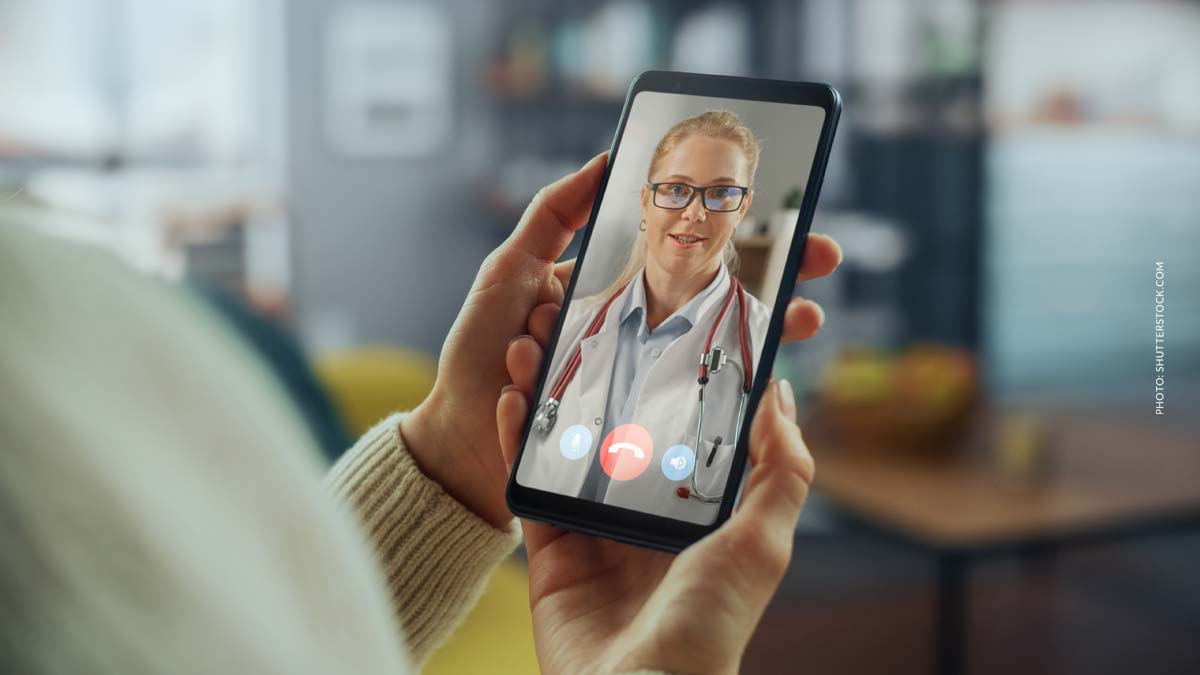 Telemedicine was legally permitted in Germany for the first time in 2018, when the German Medical Association relaxed the ban on remote treatment. Since then, doctors have been allowed to treat patients without prior face-to-face contact – an important step towards digitalization in the healthcare sector. Telemedicine became particularly important during the COVID-19 pandemic from 2020 onwards.
The advantages include faster access to medical help, time savings, better care for chronic illnesses and relief for overcrowded practices. Studies such as those conducted by the WHO show that telemedicine can increase the quality of care and reduce costs.
Let’s take a look at the three studies in detail!
Telemedicine in Europe: What the WHO says about it
In 2022, the World Health Organization(WHO) published a comprehensive study on the use of telemedicine in Europe and Central Asia. The analysis was based on more than 20,000 studies and provided a clear picture: digital healthcare services significantly improve care.
“Telemedicine has clear benefits for patients in European countries,” says the WHO. “It leads to better clinical outcomes, reduces costs and improves follow-up care.”
The potential for chronic illnesses, mental health and follow-up treatment was particularly emphasized. At the same time, the study identifies typical hurdles:
- Lack of digital infrastructure in rural regions
- Technical hurdles for older patients
- Hesitant attitude of medical professionals
Differences between countries: Figures from Deloitte
A study conducted by Deloitte in 2020 shows clear differences in the use of telemedicine between European countries. While only around 30% of doctors and nurses surveyed in Germany stated that they actively use telemedicine, this figure was an impressive 61% in Denmark.(Source)
A look at the top 5 countries according to Deloitte
- Denmark – 61 % active use
- Netherlands – around 55 %
- Estonia – 53 %
- Sweden – 49 %
- Norway – 47 %
The data shows that Scandinavian countries in particular have made significant progress in implementing digital healthcare services. Germany, on the other hand, occupies one of the last places.
Germany as a laggard: Bertelsmann Stiftung study
Back in 2018, the Bertelsmann Stiftung published a comprehensive study on the digitalization of healthcare in Europe: the #SmartHealthSystems study. It compared 17 countries with regard to their digital strategy in the healthcare sector.(Source)
The result: countries such as Estonia, Denmark and Sweden have clear strategies, concrete implementation steps and the necessary infrastructure in place. Germany, on the other hand, had no clearly defined digital strategy and few interoperable systems, according to the study.
Challenges in Germany
- Unclear legal framework
- Fragmented IT systems without standards
- Data protection concerns as a brake on innovation
“Germany needs a national strategy for digital health that is more than an interplay of individual projects,” demands the Bertelsmann Stiftung.
What works: Success factors from other countries
A look at the successful countries shows which factors are particularly decisive in promoting telemedicine and establishing it in the long term:
- Political will and long-term financing
- Standardized digital patient files
- Access to broadband internet in urban and rural areas
- Early involvement of doctors and nursing staff
- Training programs for patients and medical staff
What does this mean for the future of telemedicine?
The studies clearly show that telemedicine has great potential – both for patient care and for reducing the burden on the healthcare system. However, without a political framework, technical infrastructure and acceptance among the population, progress will be slow.
Germany in particular faces the challenge of getting out of the “test phase” and making telemedicine part of standard care across the board. Other countries are showing how it can be done: with a clear strategy, technical implementation and active involvement of all stakeholders.
Five tips for the successful use of telemedicine
- Expanding digital infrastructure – also in rural regions
- Establishing interoperable IT systems in clinics and practices
- Promote training for medical staff
- Inform patients about telemedicine at an early stage
- Clarifying the legal basis for remuneration and data protection
Telemedicine in Europe – seizing opportunities now
The studies by the WHO, Deloitte and Bertelsmann make it clear that the digital transformation in the healthcare sector is feasible – and necessary. Countries such as Estonia and Denmark in particular are providing important impetus on how telemedicine can be used successfully. Germany can learn from these models and build on its own strengths.
Now is the right time to see telemedicine not just as a supplement, but as an integral part of a modern, patient-centered healthcare system.