
Medical Cannabis for Insomnia in the UK: A Comprehensive Guide
Introduction to Medical Cannabis and Sleep Disorders
Insomnia affects millions of people across the United Kingdom, with many sufferers seeking alternative treatments beyond conventional pharmaceutical options. Medical cannabis has emerged as a potential therapeutic option for sleep disorders, following changes in UK legislation that permitted the prescription of cannabis-based medicinal products in November 2018. This guide explores the use of medical cannabis for insomnia, including the differences between cannabinoid compounds, suitable strains, prescription availability, and associated costs.
Understanding CBD and THC: Key Differences for Sleep
Cannabidiol (CBD) and tetrahydrocannabinol (THC) are the two primary cannabinoids found in cannabis, each offering distinct effects on sleep quality.
CBD for Sleep: CBD is a non-intoxicating compound that does not produce a “high.” Research suggests that CBD may promote relaxation and reduce anxiety without causing sedation. Studies indicate that CBD may help reduce the time taken to fall asleep and improve overall sleep quality by addressing underlying anxiety disorders. CBD works by interacting with serotonin receptors and may help regulate the sleep-wake cycle. Many UK patients prefer CBD due to its lack of intoxication and minimal side effects.
THC for Sleep: THC is the psychoactive compound responsible for cannabis’s intoxicating effects. Low to moderate doses of THC have demonstrated sedative properties and may reduce sleep latency. However, regular THC use can lead to tolerance, potentially reducing its sleep-promoting benefits over time. THC may also disrupt sleep architecture, particularly REM sleep, which is crucial for cognitive function. In the UK, THC-containing products are more strictly regulated and may not be suitable for all patients.
Optimal Combination: Many patients benefit from a balanced ratio of CBD to THC, as these cannabinoids may work synergistically through the “entourage effect.” A typical therapeutic ratio might be 1:1 or 2:1 (CBD:THC), which combines the relaxing properties of both compounds whilst minimising intoxication.
Indica Strains and High Myrcene Content
Cannabis strains are broadly categorised as indica, sativa, or hybrid varieties, with indica strains traditionally associated with sleep promotion.
Indica Strains: Indica varieties typically produce relaxing, sedative effects ideal for evening use. These strains usually contain higher levels of myrcene, a terpene associated with calming properties. Notable indica strains used for sleep include Northern Lights, Hindu Kush, and Granddaddy Purple, though availability in the UK medical market is subject to regulatory approval.
Myrcene Terpene: Myrcene is a dominant terpene in many cannabis strains and is associated with sedative, anti-inflammatory, and muscle-relaxant effects. Research suggests myrcene enhances the sedative properties of cannabis by increasing cell membrane permeability and allowing cannabinoids to cross the blood-brain barrier more effectively. Strains with myrcene content exceeding 0.5% are considered high in this beneficial terpene. When selecting medical cannabis, patients should inquire about myrcene concentrations to optimise their treatment.
- Tilray Cannabis Sativa L: Balanced cannabinoid profile with notable terpene content
- Bedrocan products: Dutch-produced varieties available on UK prescription
- Noidecs varieties: UK-produced cannabis with consistent cannabinoid profiles
Obtaining Medical Cannabis on the NHS
In the UK, medical cannabis can theoretically be prescribed on the NHS, though accessibility remains limited. The current situation involves strict regulations and specific criteria for prescription.
Current NHS Prescribing Guidelines: The NHS can prescribe cannabis-based medicinal products only when conventional treatments have proven ineffective or unsuitable. For sleep disorders, patients must typically demonstrate that standard treatments—including cognitive behavioural therapy for insomnia (CBT-I), sleep hygiene measures, and conventional medications—have failed. NHS prescriptions for insomnia specifically are exceptionally rare, with the vast majority of cannabis prescriptions issued for epilepsy, multiple sclerosis, and chronic pain.
Private Prescriptions: The majority of UK patients obtaining medical cannabis do so through private clinics and consultants. Specialist telemedicine services and private practitioners can prescribe cannabis-based products following assessment. These consultations typically cost between £150 and £300 per appointment, with some providers offering follow-up consultations at reduced rates.
The Prescription Process: Patients must provide detailed medical history, current medications, and evidence of previous treatment attempts. A consultant will assess suitability and may recommend a specific product and dosage. Prescriptions are then sent to licensed pharmacies where products are dispensed.
Costs of Medical Cannabis Treatment in the UK
Understanding the financial investment required for medical cannabis treatment is essential for potential patients.
| Expense Category | Typical Cost | Notes |
|---|---|---|
| Initial Consultation | £150–£300 | Private specialist assessment |
| Follow-up Consultation | £75–£150 | Usually required every 3–6 months |
| Monthly Medication Cost | £100–£300 | Varies by product and strength |
| Annual Treatment (estimate) | £1,500–£2,500 | Consultations plus medication |
Product pricing varies considerably depending on cannabinoid content, delivery method, and supplier. Dried flower typically costs £6–£10 per gram, whilst oil-based products range from £100–£250 per bottle depending on concentration. Some private insurers cover portions of treatment costs, though comprehensive coverage is uncommon.
Available Medical Cannabis Products in the UK
Several licensed cannabis-based medicinal products are available for prescription in the UK:
- Nabilone: A synthetic THC analogue approved for chemotherapy-related nausea; some patients report improved sleep as a secondary benefit
- Sativex: A 1:1 CBD:THC spray initially approved for multiple sclerosis-related spasticity; used off-label for sleep disorders
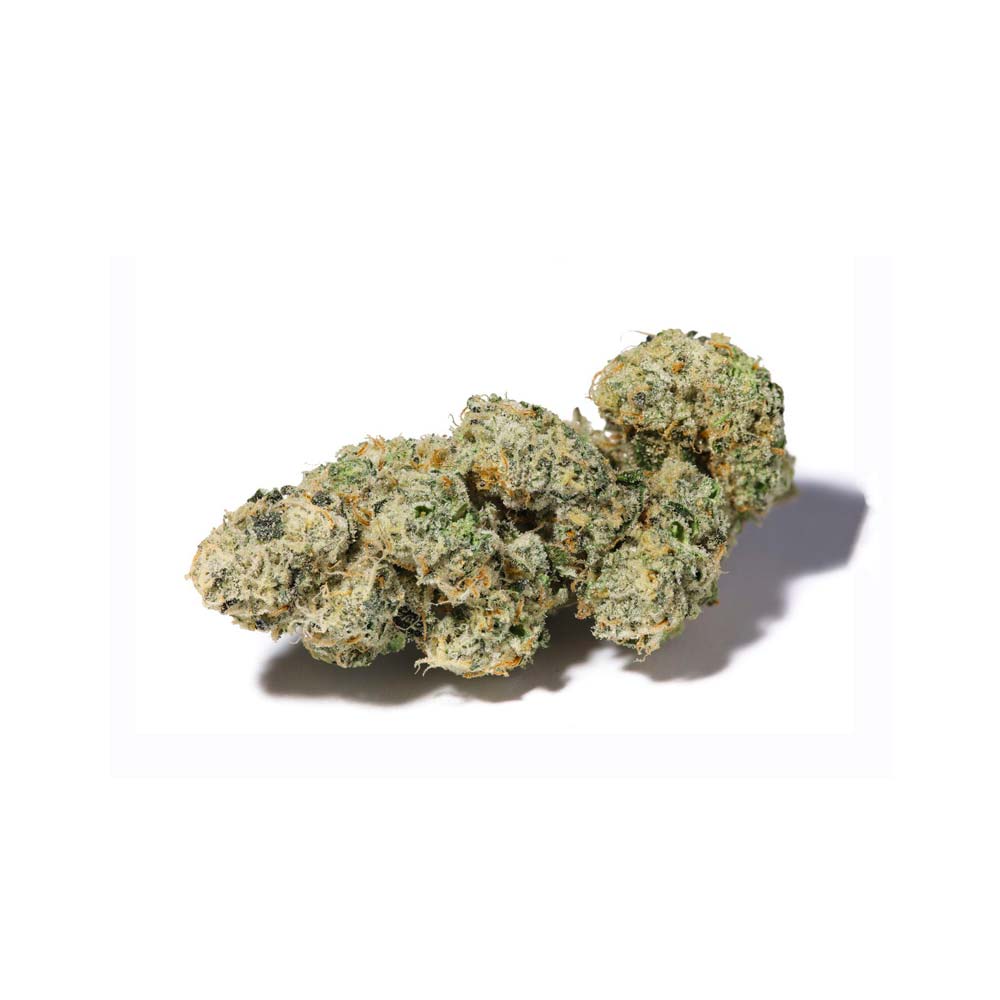
- Bedrocan varieties: Netherlands-produced dried flower cannabis with defined cannabinoid profiles (THC, CBD, or balanced)
- Noidecs products: UK-produced varieties including high-CBD and balanced strains
- Tilray products: Range of dried flowers and concentrates with varying cannabinoid profiles
Administration Methods
Medical cannabis for insomnia can be administered through various methods, each with distinct onset times and duration:
Inhalation (Vaporisation): Vaporising dried flower or concentrates provides rapid onset (10–20 minutes) and shorter duration (3–4 hours). This method allows precise dose titration but may not provide overnight sleep maintenance.
Oral Administration: Oils, capsules, and edibles have slower onset (60–120 minutes) but longer duration (6–8 hours), making them suitable for overnight sleep maintenance. Absorption varies based on food intake and individual metabolism.
Sublingual Methods: Tinctures placed under the tongue offer intermediate onset (20–40 minutes) and duration (4–6 hours).
Practical Recommendations for UK Patients
Patients considering medical cannabis for insomnia should:
- Exhaust conventional treatments first, including CBT-I and standard medications
- Consult with a sleep specialist or GP before pursuing private cannabis consultation
- Start with low CBD:THC ratios to assess individual tolerance and effects
- Maintain detailed sleep diaries to objectively assess treatment efficacy
- Choose products with documented myrcene content for optimal sedative effects
- Budget for ongoing consultations and medication costs
- Be aware that treatment may take 2–4 weeks to demonstrate full benefits
Conclusion
Medical cannabis represents a potential treatment option for UK patients with treatment-resistant insomnia, offering advantages over conventional medications for some individuals. CBD, THC, and balanced combinations each provide distinct benefits, with indica strains and high-myrcene products generally preferred for sleep promotion. Whilst NHS prescribing remains exceptionally limited, private prescriptions are increasingly accessible through specialist consultants. However, patients should carefully consider costs, regulatory status, and suitability before pursuing this treatment pathway, ensuring it complements rather than replaces evidence-based sleep interventions.