
Medical Cannabis for Appetite Issues in the UK: A Comprehensive Guide
Appetite loss represents a significant challenge in modern medicine, affecting millions of patients across the United Kingdom. Whether caused by cancer treatment, chronic illness, or psychological conditions, loss of appetite can lead to malnutrition, weakness, and impaired recovery. Medical cannabis has emerged as a promising therapeutic option for stimulating appetite, with growing scientific evidence supporting its use. Understanding how cannabinoids work, which conditions they address, and how to access them legally in the UK is essential for patients and healthcare professionals alike.
The Science Behind Cannabis-Induced Appetite Stimulation
The appetite-stimulating effects of cannabis, commonly known as “the munchies,” are rooted in complex neurobiology. Tetrahydrocannabinol (THC), the primary psychoactive compound in cannabis, activates cannabinoid type 1 (CB1) receptors located throughout the hypothalamus—the brain region responsible for regulating hunger and satiety. When THC binds to CB1 receptors in the hypothalamus, it triggers a cascade of neurochemical events that increase appetite. Specifically, this activation stimulates the release of neuropeptide Y and agouti-related peptide, hormones that signal hunger. Simultaneously, THC suppresses the activity of pro-opiomelanocortin neurons that typically inhibit eating. This dual mechanism makes THC particularly effective at promoting food intake even in individuals who have lost their natural appetite cues.
Conditions Associated with Appetite Loss
Several medical conditions in the UK commonly result in significant appetite suppression. Cancer patients undergoing chemotherapy frequently experience severe appetite loss, alongside nausea and vomiting. Anorexia nervosa and other eating disorders involve psychological suppression of appetite that can be life-threatening. Crohn’s disease and inflammatory bowel conditions cause appetite loss due to chronic inflammation and associated pain. HIV and AIDS patients, particularly those with low CD4 counts, experience pronounced appetite suppression. Additionally, patients on certain medications, those recovering from surgery, and individuals with depression may suffer appetite-related complications. These varied conditions underscore the importance of finding effective appetite stimulation therapies.
Medical Cannabis for Chemotherapy-Induced Nausea and Appetite Loss
The strongest scientific evidence for medical cannabis use in the UK relates to chemotherapy-induced nausea and vomiting (CINV) and associated appetite loss. Numerous clinical trials have demonstrated that cannabinoids, particularly THC and the combination of THC with cannabidiol (CBD), significantly reduce nausea severity and frequency in cancer patients. Beyond nausea management, cannabis directly stimulates appetite—a particularly valuable effect when combined with anti-nausea benefits. Studies indicate that cancer patients receiving cannabis report increased food intake, improved nutritional status, and better overall quality of life. The synergistic effect of reduced nausea and increased hunger makes cannabinoids especially effective for this population. Regulatory bodies have increasingly recognised this evidence, leading to greater acceptance within oncology circles.
Marinol Versus Natural Cannabis
Marinol, a pharmaceutical formulation containing synthetic dronabinol (THC), represents the currently available prescription option in the UK for appetite stimulation. Whilst Marinol provides reliable dosing and pharmaceutical standardisation, it has limitations compared to whole-plant cannabis. Natural cannabis contains over 200 different compounds working synergistically—an effect known as the entourage effect. CBD, present in many cannabis strains, provides anti-inflammatory and anxiolytic properties whilst potentially moderating THC’s psychoactive effects. Additionally, natural cannabis offers more cost-effective treatment, faster onset of action when smoked or vaporised, and greater flexibility in dosing adjustment. However, Marinol’s pharmaceutical status provides clearer legal footing within the current UK regulatory framework, making it the more accessible prescription option despite its higher cost and potentially reduced efficacy for some patients.
Accessing Medical Cannabis Prescriptions in the UK
Since November 2018, qualified doctors in the UK can legally prescribe medical cannabis products under specific circumstances. Eligibility typically requires documented appetite loss unresponsive to conventional treatments, confirmation of an appropriate qualifying condition, and a patient-doctor relationship. NHS prescriptions remain restricted, with most cannabis access occurring through private clinics. Private specialists evaluate patients, determine suitability, and issue prescriptions for licensed products. Costs typically range from £500 to £1,500 monthly, making private treatment expensive for many patients.
Cannabis Strains for Appetite Stimulation
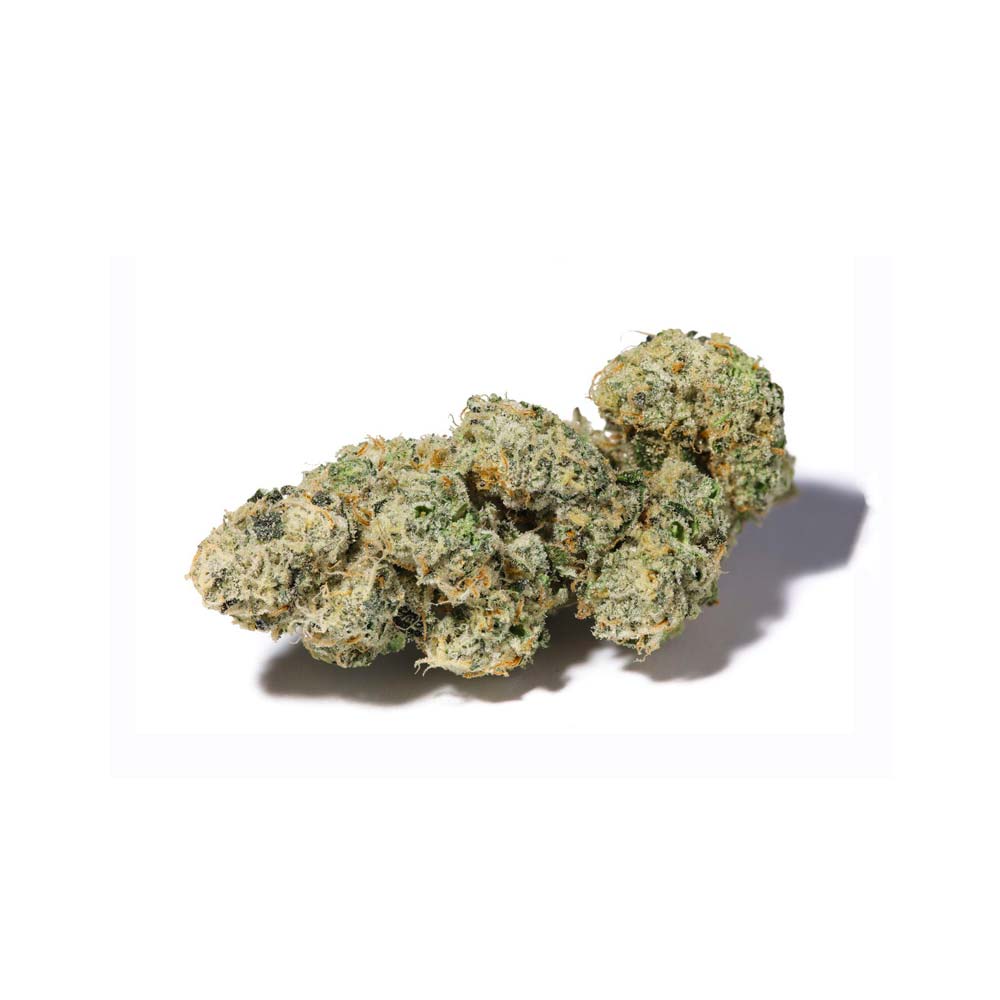
Certain cannabis strains demonstrate particular effectiveness for appetite stimulation. OG Kush, a potent indica-dominant strain, combines strong THC levels with effective appetite stimulation and relaxation. Granddaddy Purple, another indica favourite, provides gentle appetite enhancement with pleasant sedative properties ideal for evening consumption. Blueberry, a balanced hybrid, offers reliable appetite stimulation with mood elevation and manageable psychoactive effects. All three strains typically contain 15-25% THC with modest CBD levels, providing the optimal cannabinoid ratio for appetite purposes.
Effective Dosing Strategies
Successful appetite treatment requires individualised dosing. Most specialists recommend starting with 2.5-5mg THC daily, gradually titrating upward every 3-5 days based on response and tolerance. Evening dosing often proves most effective, capitalising on appetite stimulation during dinner hours. Regular monitoring ensures optimal outcomes and minimises adverse effects.