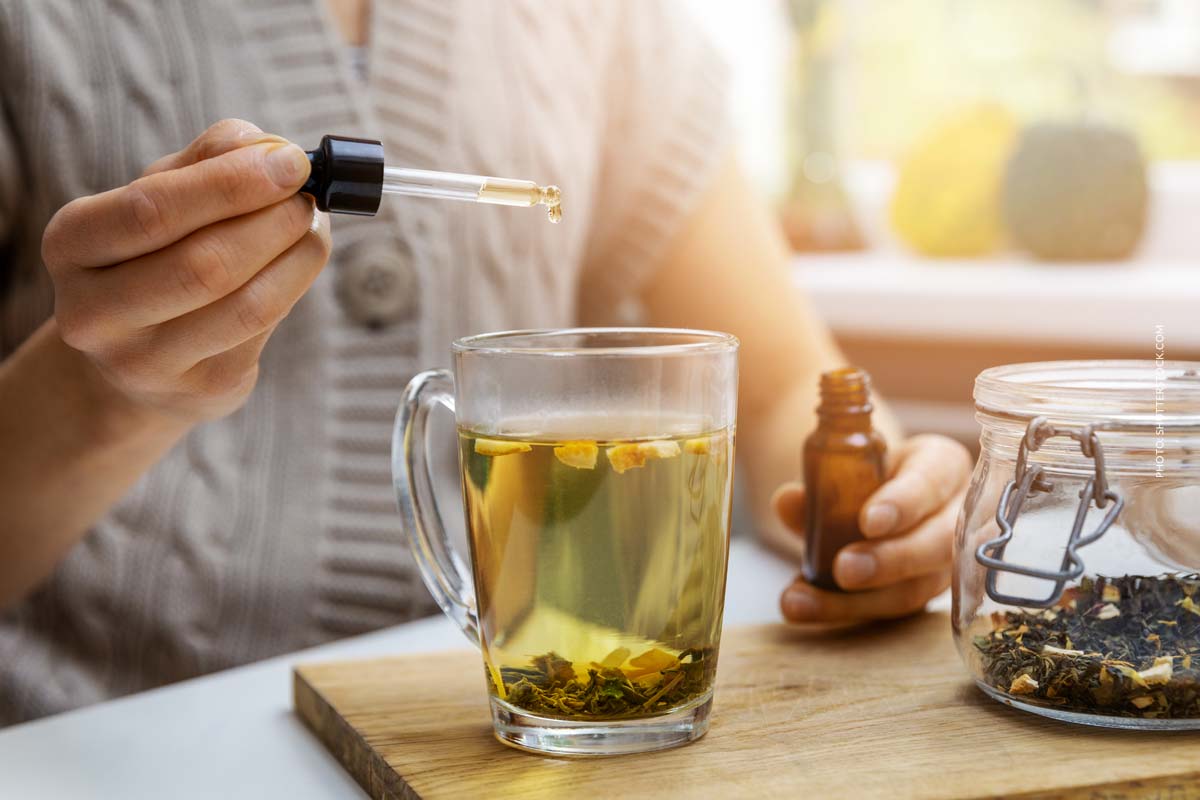
Cannabis tea offers a discrete, convenient way to consume cannabis for both medical and recreational purposes in the United Kingdom. According to recent data from the UK’s Office for National Statistics, approximately 2.9 million adults in England and Wales used cannabis in the past year, with many exploring alternative consumption methods. Tea-based infusions provide a gentler experience compared to smoking, making them increasingly popular among UK cannabis users seeking wellness benefits.
This comprehensive guide walks you through the process of making cannabis tea at home, from preparation to brewing, ensuring you achieve the best results safely and legally.
Understanding Cannabis Tea and Its Benefits
Cannabis tea differs significantly from smoking or vaping. When you brew cannabis tea, the cannabinoids—particularly THC and CBD—must be activated through heat exposure. This process, known as decarboxylation, converts non-intoxicating THCA into psychoactive THC, making the tea’s effects more pronounced and predictable.
UK medical cannabis patients increasingly favour tea consumption because it provides:
Longer-lasting effects (typically 4-8 hours compared to 2-3 hours for smoking)
More consistent dosing when prepared carefully
Reduced respiratory irritation
A discreet consumption method suitable for medical settings
Research from King’s College London indicates that edible cannabis products, including infusions, may provide more stable therapeutic benefits for chronic pain and anxiety management compared to inhalation methods.
Before making cannabis tea, understand the UK’s legal framework. Since November 2018, cannabis-derived medicinal products are available through prescription for eligible patients with conditions like epilepsy, multiple sclerosis, and chronic pain. The NHS currently prescribes products such as Sativex and Epidyolex.
For non-medical cannabis use, possession remains illegal, with penalties ranging from warnings to imprisonment depending on quantity and circumstances. However, certain high-CBD, low-THC cannabis products remain in a legal grey area. Always verify your cannabis source complies with UK regulations before preparation.
Preparing Your Cannabis for Tea
Proper preparation is essential for making effective cannabis tea. The first critical step is decarboxylation—heating cannabis to activate its compounds.
Equipment needed:
Oven-safe baking tray
Parchment paper
Oven thermometer
Grinder or scissors
Measuring scales
Strainer or tea infuser
Kettle or saucepan
Decarboxylation process:
Preheat your oven to 110-120°C (230-250°F). Break up your cannabis into small pieces—avoid grinding at this stage. Spread material evenly across a baking tray lined with parchment paper. Place in the oven for 30-40 minutes. You’ll notice the cannabis darkening slightly and developing a fragrant aroma. Remove when colour transitions from green to light brown. Avoid higher temperatures, which destroy beneficial cannabinoids.
This low-temperature decarboxylation method, recommended by cannabis research at Leiden University, preserves terpenes while effectively activating THC and CBD compounds.
Simple Cannabis Tea Recipe
Ingredients:
0.5-1 gram decarboxylated cannabis (adjust based on desired strength)
250ml water or milk
0.5-1 teaspoon butter or coconut oil
Optional: honey, lemon, ginger, or chamomile tea
Instructions:
Step 1: Infuse with fat. Heat water to just below boiling (80-90°C). Add butter or coconut oil—fat is crucial as cannabinoids are fat-soluble and won’t infuse properly in water alone. Stir until melted.
Step 2: Add cannabis. Place decarboxylated cannabis into a tea infuser, small strainer, or cheesecloth pouch. Submerge in hot liquid for 10-15 minutes, stirring occasionally. Longer steeping increases potency but may introduce bitter flavours.
Step 3: Strain. Remove the infuser and allow liquid to drip through. Press gently against the infuser to extract remaining liquid.
Step 4: Customise. Add honey to mask earthiness, fresh lemon for brightness, or chamomile for enhanced relaxation. Ginger aids absorption and reduces potential nausea.
Step 5: Consume. Sip slowly. Effects typically manifest within 30-90 minutes, peaking at 2-4 hours.
Alternative Brewing Methods
Butter-infusion method: This produces stronger tea. Melt 250g butter with 500ml water. Add 5-10 grams decarboxylated cannabis, simmer gently for 2-3 hours, then strain through cheesecloth. Refrigerate to separate butter from water. Use one to two teaspoons of infused butter per cup of tea.
Coconut oil method: Similar to butter-infusion, coconut oil creates a creamy, vegan-friendly tea. Heat 250ml coconut oil with decarboxylated cannabis for 2-3 hours on low heat. This method suits those with dairy sensitivities.
Dosing Guidelines
Dosing cannabis tea requires careful attention. For beginners, start with 0.25-0.5 grams decarboxylated cannabis per cup. Experienced users might use 1-2 grams. Effects vary based on individual tolerance, metabolism, and cannabis strain potency.
Medical best UK best UK cannabis clinicsss across the UK recommend starting low and going slow—a principle particularly important with edibles, where effects are delayed and prolonged. Keep a consumption journal noting quantity, timing, and effects to establish your optimal dose.
Safety and Storage Tips
Store prepared cannabis tea in glass containers in the refrigerator for up to five days. Infused butter or oil keeps longer—up to two weeks refrigerated. Label containers clearly, especially if household members include children or pets.
Never drive or operate machinery after cannabis tea consumption. Effects peak within 4 hours but can last longer. Avoid combining with alcohol, as interactions remain poorly studied in humans.
If experiencing adverse effects—anxiety, excessive sedation, or paranoia—remain calm, stay hydrated, and rest in a comfortable environment. Effects will subside as the cannabis metabolises.
Common Mistakes to Avoid
Skipping decarboxylation reduces potency significantly. Many newcomers brew raw cannabis, resulting in weak tea. Additionally, using water without fat means cannabinoids won’t infuse properly—always include butter, oil, or milk. Finally, overheating cannabis destroys beneficial compounds; maintain temperatures below 160°C throughout preparation.
Conclusion
Making cannabis tea represents an accessible, controllable way to explore cannabis consumption
Medical Disclaimer: This content is for informational purposes only and does not constitute medical advice. Medical cannabis is a prescription-only medicine in the UK. Always consult a qualified healthcare professional. CannaZen is an information platform, not a medical provider.
https://cannazen.co.uk/wp-content/uploads/2026/01/cannazen-shop-lieferung-cannabis-weed-hanf-online-rezept-arzt-apotheke.svg00CannaZen UK Editorial Teamhttps://cannazen.co.uk/wp-content/uploads/2026/01/cannazen-shop-lieferung-cannabis-weed-hanf-online-rezept-arzt-apotheke.svgCannaZen UK Editorial Team2026-05-14 20:27:592026-05-15 18:51:58How to Make Cannabis Tea UK — Simple Recipe Guide
We may request cookies to be set on your device. We use cookies to let us know when you visit our websites, how you interact with us, to enrich your user experience, and to customize your relationship with our website.
Click on the different category headings to find out more. You can also change some of your preferences. Note that blocking some types of cookies may impact your experience on our websites and the services we are able to offer.
Essential Website Cookies
These cookies are strictly necessary to provide you with services available through our website and to use some of its features.
Because these cookies are strictly necessary to deliver the website, refusing them will have impact how our site functions. You always can block or delete cookies by changing your browser settings and force blocking all cookies on this website. But this will always prompt you to accept/refuse cookies when revisiting our site.
We fully respect if you want to refuse cookies but to avoid asking you again and again kindly allow us to store a cookie for that. You are free to opt out any time or opt in for other cookies to get a better experience. If you refuse cookies we will remove all set cookies in our domain.
We provide you with a list of stored cookies on your computer in our domain so you can check what we stored. Due to security reasons we are not able to show or modify cookies from other domains. You can check these in your browser security settings.
Google Analytics Cookies
These cookies collect information that is used either in aggregate form to help us understand how our website is being used or how effective our marketing campaigns are, or to help us customize our website and application for you in order to enhance your experience.
If you do not want that we track your visit to our site you can disable tracking in your browser here:
Other external services
We also use different external services like Google Webfonts, Google Maps, and external Video providers. Since these providers may collect personal data like your IP address we allow you to block them here. Please be aware that this might heavily reduce the functionality and appearance of our site. Changes will take effect once you reload the page.
Google Webfont Settings:
Google Map Settings:
Google reCaptcha Settings:
Vimeo and Youtube video embeds:
Other cookies
The following cookies are also needed - You can choose if you want to allow them:
Privacy Policy
You can read about our cookies and privacy settings in detail on our Privacy Policy Page.