
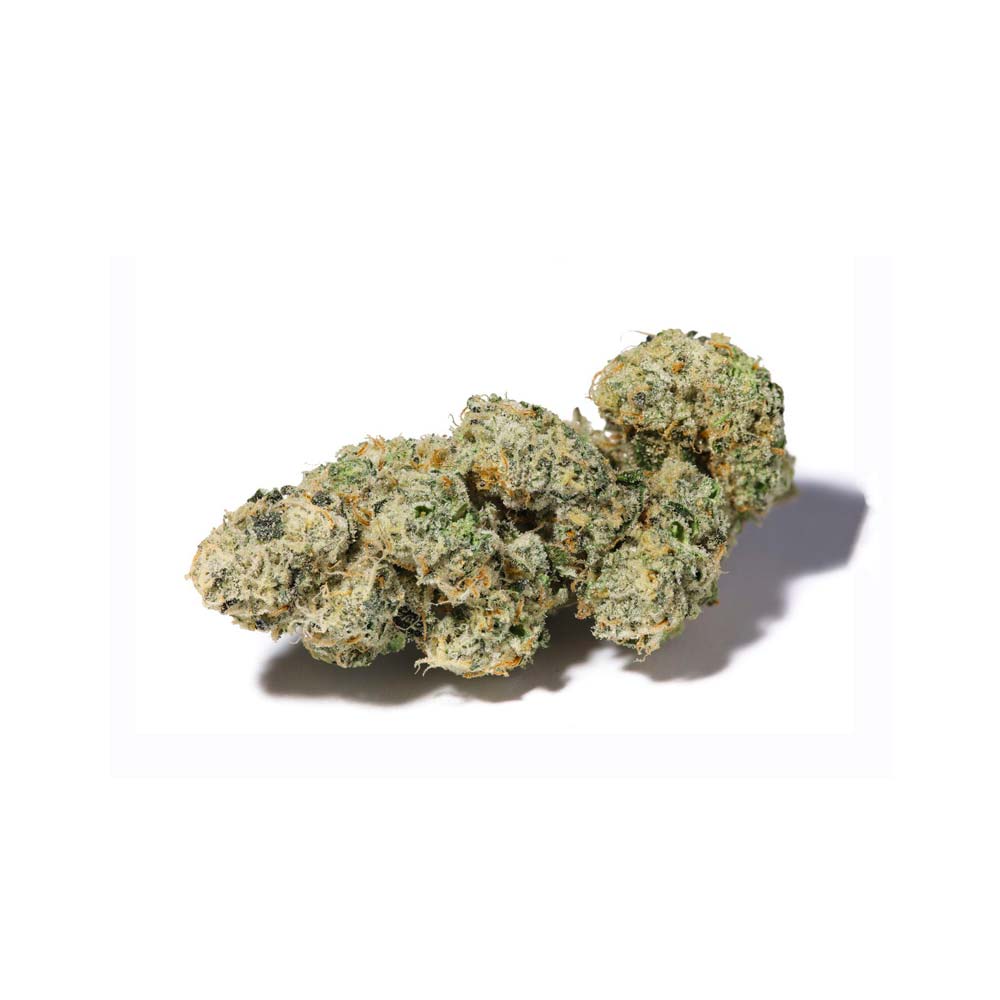
Drug Testing for UK Medical Cannabis Patients: What You Need to Know
Medical cannabis patients in the UK face a unique challenge when it comes to drug testing. Whilst cannabis remains controlled under the Misuse of Drugs Act, patients with valid NHS prescriptions or private medical cannabis treatment have legal protection. However, understanding how different drug tests detect cannabis and knowing your rights in the workplace is essential for maintaining both your employment and your health.
How THC Shows Up in Urine Tests
Urine testing remains the most common drug screening method in UK workplaces. When you consume medical cannabis, your body metabolises THC into compounds called metabolites. These metabolites remain detectable in urine for significantly longer than other drug test methods—typically between 7 and 30 days, though in some cases detection periods can extend beyond 30 days, particularly for frequent users.
The length of detection depends on several factors, including your dosage, frequency of use, body fat composition, and individual metabolism. Regular users may test positive for substantially longer periods than occasional users. This extended detection window is problematic for medical patients, as it means a positive urine test may reflect cannabis use from weeks prior, rather than impairment at the time of testing.
Saliva Tests: A Shorter Detection Window
Saliva testing offers a significantly shorter detection period, making it somewhat more favourable for medical cannabis patients. THC typically remains detectable in saliva for between 1 and 3 days after consumption. Some studies suggest detection may extend to 24 hours in certain circumstances, but saliva tests are generally considered more relevant to recent use than urine screening.
Saliva tests are increasingly used by employers and roadside enforcement because they better indicate recent consumption rather than past use. For medical patients, this shorter window provides some advantage, though it’s worth noting that saliva tests can still capture THC from earlier that day.
Blood Tests: Detecting Active THC
Blood tests measure active THC rather than metabolites, making them the most accurate indicator of current use and potential impairment. THC remains detectable in blood for 24 to 72 hours, with the exact timeframe depending on frequency of use and individual factors. Occasional users typically show THC for approximately 24 hours, whilst regular users may test positive for up to 72 hours.
From a medical perspective, blood tests are more relevant to current impairment, though this remains imperfect as individuals have varying tolerance levels and impairment doesn’t correlate directly with THC concentration in blood.
Hair Tests: The Longest Detection Period
Hair testing represents the longest detection window for cannabis use, potentially revealing THC metabolites for several months. Hair follicles incorporate drug metabolites during the growth phase, and standard hair tests typically examine the most recent 90 days of growth. Some tests can detect further back, potentially up to 12 months.
For medical cannabis patients, hair tests are particularly problematic because they cannot distinguish between legal medical use and illicit consumption, nor can they indicate current impairment. Fortunately, hair testing is less common in UK employment settings than urine or saliva testing.
Your Legal Defence: The Prescribed Cannabis Exception
The crucial protection for medical cannabis patients comes from the Misuse of Drugs Act. If you hold a valid prescription for medical cannabis from an NHS specialist or registered private clinic, you have a statutory defence against prosecution for cannabis possession. This defence extends to workplace drug testing situations.
The key requirement is that your cannabis use must be prescribed and lawful. The prescription must come from a registered medical professional authorised to prescribe cannabis—this includes NHS specialist doctors and private practitioners registered with the UK’s relevant regulatory bodies.
What to Tell Your Employer
When prescribed medical cannabis, informing your employer is advisable before any drug testing occurs. Present your prescription as evidence of lawful medical treatment. Explain that you’re receiving treatment for a legitimate medical condition under professional medical supervision. Most responsible employers will acknowledge this lawful use and adjust their policies accordingly.
You’re not obligated to discuss your specific medical condition in detail—simply explaining that you have a valid prescription for medical cannabis should suffice. Request that your employer updates their drug testing policy to account for legitimate medical cannabis use, similar to how they accommodate other prescribed medications.
Jobs with Mandatory Drug Testing
Certain professions maintain strict drug testing requirements despite medical exceptions. Transport workers, including drivers and pilots, face stringent regulations because impairment directly impacts public safety. Healthcare professionals, particularly those in clinical settings, often face mandatory testing due to patient safety concerns. Military personnel and armed forces face particularly strict policies.
If you work in these sectors and require medical cannabis, discuss your prescription with your employer or occupational health department immediately. Some roles may require additional safety assessments or modified duties.
Handling a Positive Drug Test
If you test positive, immediately disclose your prescription. Provide documentation from your prescribing doctor and explain the timeline of your treatment. Request that your test result be classified as a prescribed medication use rather than a positive result indicating illicit drug use.
CBD and Drug Testing Risks
CBD products can contain trace amounts of THC, particularly with full-spectrum products. Whilst the amount is minimal, repeated consumption may accumulate in your system. Always purchase CBD products from reputable suppliers and verify THC content is below legal limits (0.2% in the UK). Medical-grade CBD from your prescription carries no risk.
Further Reading
- Kush Strains — Top 20 Kush Varieties, Effects, THC Content UK
- Purple Punch: strain, aroma & THC content
- Total CBD Health UK — CBD & Medical Cannabis Guide
- Medical Cannabis for Joint Pain UK – Guide