
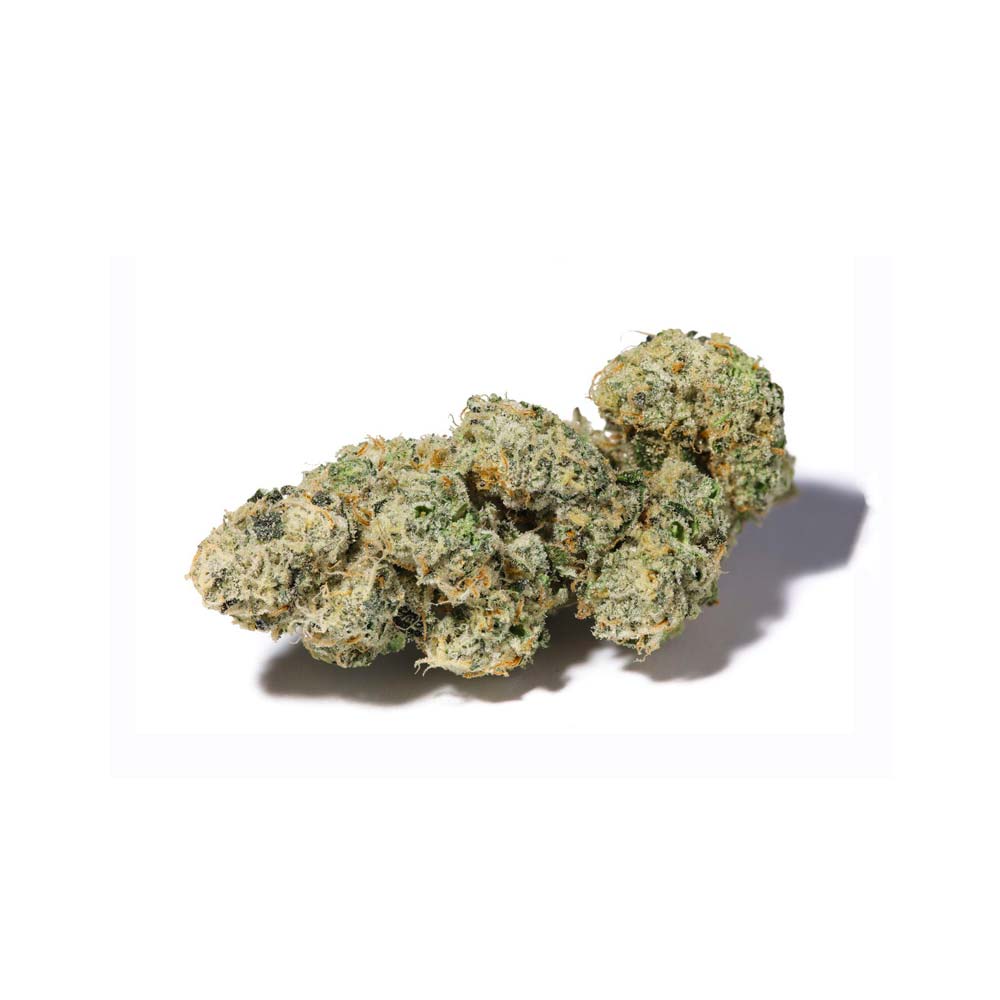
What is CBD and Where Does It Come From?
Cannabidiol, commonly known as CBD, is one of over 100 active compounds found in the Cannabis sativa plant. Unlike its more famous cousin THC (tetrahydrocannabinol), CBD does not produce the “high” associated with cannabis use. Instead, it offers potential therapeutic benefits that have attracted significant scientific and medical interest in recent years.
CBD can be extracted from both cannabis and hemp plants. However, in the UK, most commercial CBD products are derived from industrial hemp, which naturally contains very low levels of THC. This distinction is crucial for understanding UK regulations and product safety.
The Non-Psychoactive Nature of CBD
One of the most important characteristics of CBD is that it does not produce psychoactive effects. This means that taking CBD will not alter your mental state, impair your judgment, or cause the euphoric feeling associated with THC or recreational cannabis use. You can take CBD and go about your day normally, whether at work, driving, or operating machinery.
This non-psychoactive property is why CBD has gained acceptance among healthcare professionals, regulators, and the general public. It allows people to potentially benefit from cannabis-derived compounds without the intoxicating effects that many find undesirable or concerning.
How CBD Works in Your Body
CBD’s mechanisms of action are complex and multifaceted. Rather than directly binding to cannabinoid receptors like THC does, CBD works through several different pathways in the body.
One important mechanism involves serotonin receptors. CBD appears to interact with the 5-HT1A serotonin receptor, which plays a crucial role in mood regulation, anxiety, and stress response. By modulating this receptor, CBD may help elevate mood and reduce anxiety symptoms, similar to how some antidepressant medications work.
CBD also influences GABA (gamma-aminobutyric acid) receptors. GABA is the brain’s primary inhibitory neurotransmitter, responsible for calming neural activity. Many anti-anxiety medications, such as benzodiazepines, work by enhancing GABA function. CBD may have similar calming effects through this pathway.
Additionally, CBD interacts with the endocannabinoid system, a complex signalling network throughout your body. Rather than directly activating receptors, CBD appears to modulate the production and breakdown of endocannabinoids—chemicals your body naturally produces. This indirect approach may help restore balance and homeostasis in various physiological processes.
Evidence-Based Benefits of CBD
Scientific research has identified several areas where CBD shows promise. Studies suggest potential benefits for anxiety disorders, with some evidence indicating that CBD may reduce social anxiety, generalised anxiety, and panic symptoms. However, research is still ongoing, and more large-scale clinical trials are needed.
Chronic pain is another area showing promising results. CBD may help reduce inflammation and neuropathic pain, making it potentially useful for conditions like arthritis and multiple sclerosis-related pain.
Perhaps the most compelling evidence exists for CBD’s use in treating certain types of epilepsy. Epidyolex, a pharmaceutical-grade CBD product, became the first CBD-based medication approved by UK medical authorities. It is specifically licensed for treating Dravet syndrome and Lennox-Gastaut syndrome, rare forms of childhood epilepsy that are resistant to conventional treatments. This approval represents significant recognition of CBD’s therapeutic potential.
Understanding CBD Versus THC
To understand why CBD is legal and THC is controlled in the UK, it helps to compare these two compounds. Both come from cannabis plants, and both are cannabinoids. The key difference lies in their effects.
THC is psychoactive and produces the cannabis “high.” It directly activates cannabinoid receptors in the brain, altering perception, mood, and consciousness. THC is a controlled substance in the UK under the Misuse of Drugs Act.
CBD, by contrast, is non-psychoactive and does not produce intoxication. It works through different mechanisms and does not directly activate cannabinoid receptors. This fundamental difference in how they work explains why CBD can be legally sold, whilst THC remains tightly regulated.
Safe Dosing Recommendations
Optimal CBD dosing varies considerably between individuals, depending on body weight, metabolism, and the condition being treated. Most research studies use doses ranging from 10 to 600 mg daily. A sensible approach is to start with a low dose (around 10-20 mg) and gradually increase whilst monitoring effects.
Always follow the dosing instructions on your product’s packaging, and consider consulting a healthcare professional before starting CBD, particularly if you have existing health conditions.
Side Effects and Drug Interactions
CBD is generally well-tolerated, but some people experience mild side effects including fatigue, diarrhoea, appetite changes, and dry mouth. These effects are typically mild and temporary.
More importantly, CBD can interact with certain medications. It inhibits cytochrome P450 enzymes, which metabolise many drugs. This is particularly relevant for blood thinners like warfarin and some heart medications. If you take any prescription medications, especially blood thinners, discuss CBD use with your doctor before starting.
CBD’s Legal Status in the UK
CBD products are legal in the UK provided they contain no more than 1 mg of THC per container. CBD is not classified as a controlled substance, making it available for purchase from reputable retailers, health shops, and online suppliers. However, medical claims should only be made for approved products like Epidyolex. Always purchase from trusted sources to ensure product quality and accurate labelling.