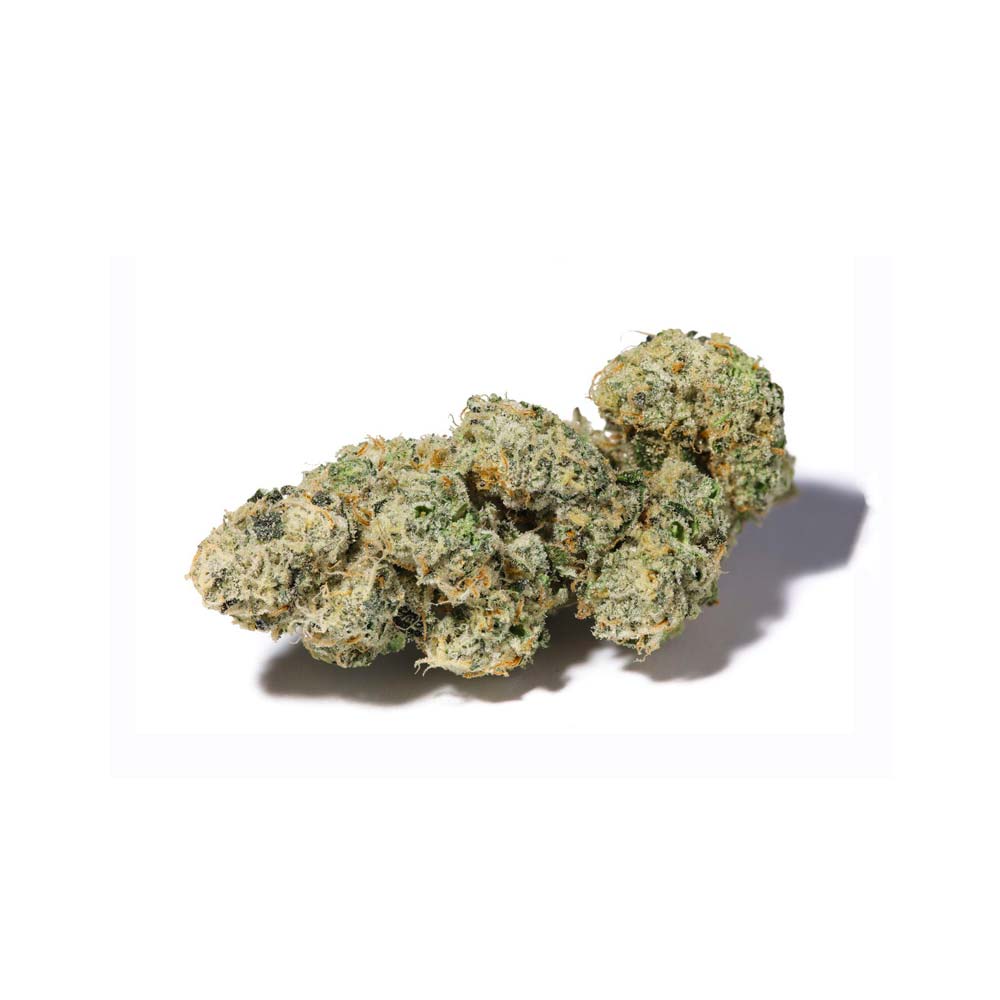

The terms “cannabis” and “medicinal cannabis” are often used to describe different uses of the plant. Although both terms refer to the same plant, there are key differences in its use, regulation and effects. This guide explains the key differences between general cannabis and medicinal cannabis and gives you an overview of their specific properties and applications.
What is cannabis?
Cannabis is the scientific name for the plant also known as hemp or marijuana. This plant contains over 100 different chemical compounds, known as cannabinoids, which have different effects on the human body. The two best-known cannabinoids are THC (tetrahydrocannabinol) and CBD (cannabidiol). Cannabis is often used for recreational or pleasure purposes, with the main reason for consumption usually being the psychoactive effects of THC.
In many countries, the use of cannabis for recreational purposes is either illegal or strictly regulated. Access to cannabis for recreational use is often through illegal channels or specialized stores in countries where use has been legalized.
What is medicinal cannabis?
Medical cannabis refers to the use of cannabis for therapeutic purposes. The plant is used to treat and alleviate specific health complaints, such as chronic pain, nausea caused by chemotherapy, sleep disorders or muscle tension. Medical cannabis is generally used on a doctor’s prescription and is administered in controlled doses that are tailored to the specific needs of the patient.
In many countries, the legal framework for medicinal cannabis is stricter and more regulated than for recreational cannabis. In Germany, medicinal cannabis is available on prescription and is provided by pharmacies or specialized online platforms like us.
Medical cannabis is subject to strict quality controls and dosage specifications.
Differences between cannabis and medicinal cannabis
Intended use: Difference
The main difference lies in the intended use. Cannabis for recreational use is often consumed to achieve an intoxicating effect or to promote social interaction. Medical cannabis, on the other hand, is used specifically to treat and alleviate health problems.
Regulation: Difference
The regulation of recreational cannabis varies greatly from country to country. In many places it is illegal or heavily restricted. Medical cannabis is usually legal, but only available on prescription and subject to specific legal regulations.
Dosage and form: Difference
Medicinal cannabis is administered in precise dosages that are tailored to the patient’s health needs. This includes specific strains and forms such as flowers, oils or extracts. Recreational cannabis is often consumed without precise dosing, which can lead to variable effects.
Medical supervision: Difference
The use of medicinal cannabis takes place under medical supervision to ensure that the therapy is effective and safe. The doctor monitors the dosage and effect and adjusts the treatment if necessary. There is no such medical supervision for recreational use.
Availability: Difference
Medical cannabis is available through licensed pharmacies or certified online platforms like us. The availability of recreational cannabis is highly dependent on local laws and can be available through both legal and illegal channels.
Regulation and legislation
The legislation surrounding cannabis and medicinal cannabis differs considerably. While some countries are taking steps to legalize recreational cannabis, medical cannabis remains a recognized and regulated form of therapy in many regions. In Germany, for example, medicinal cannabis is legal and can be purchased by patients with a prescription. Regulation ensures that only high quality and safe products come onto the market and that patients receive the best possible treatment.