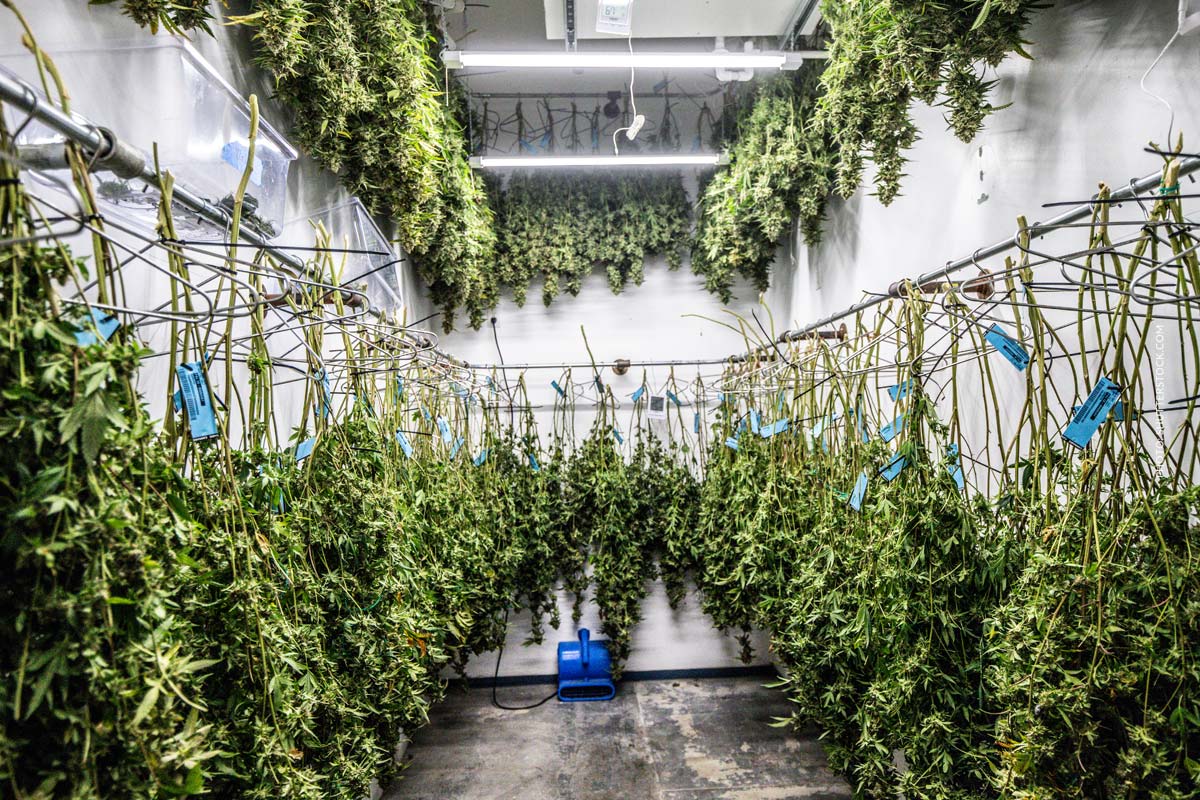
How to Store Cannabis UK — Temperature, Humidity, Containers
How to Store Cannabis UK: Temperature, Humidity, Containers
Proper cannabis storage is essential for maintaining potency, flavour, and safety. Whether you’re a medical cannabis patient in the UK or someone interested in cannabis knowledge, understanding correct storage methods protects your investment and ensures the best experience. This comprehensive guide covers temperature requirements, humidity control, and container selection specifically for UK conditions.
Why Proper Cannabis Storage Matters
Cannabis degradation begins immediately after harvest. Cannabinoids like THC and CBD break down when exposed to light, heat, oxygen, and moisture fluctuations. Research indicates that cannabis loses approximately 16% of its THC content annually when stored improperly, according to studies published in the journal Forensic Science International.
For UK medical cannabis patients, maintaining cannabinoid integrity is crucial for consistent therapeutic effects. Proper storage prevents mould growth, bacterial contamination, and loss of therapeutic compounds that medical treatments depend upon.
Temperature control is the most critical storage variable. Cannabis degrades rapidly in warm conditions, with enzyme activity accelerating chemical breakdown.
Ideal temperature range: 65-70°F (18-21°C)
This UK-friendly temperature matches typical British room conditions. A standard thermostat or thermometer helps monitor storage areas. Avoid locations near radiators, boilers, or south-facing windows that experience temperature fluctuations.
Temperatures above 25°C significantly accelerate THC degradation. Conversely, freezing cannabis below -20°C can damage trichomes—the crystalline structures containing cannabinoids. British climate variations between seasons mean winter storage in unheated spaces may prove problematic, particularly in Scotland and northern regions.
Never store cannabis in refrigerators. The repeated temperature cycling from opening and closing, combined with moisture condensation, damages cannabinoid profiles and promotes mould growth.
Humidity Levels and Moisture Control
Humidity management prevents two opposing problems: moisture-related mould growth and over-drying that degrades cannabinoid potency.
Target humidity: 55-65% relative humidity (RH)
This range maintains optimal moisture balance. Too much humidity (above 65%) creates conditions for mould and mildew, particularly concerning in damp UK properties. Too little humidity (below 50%) causes excessive drying, reducing flavour and potency.
Affordable humidity monitors (hygrometers) cost £10-30 from DIY retailers and provide essential feedback. Digital models offer greater accuracy than analogue versions.
UK properties vary significantly in natural humidity. Southern coastal areas experience higher ambient moisture, whilst drier regions may require humidity maintenance. Dehumidifiers or silica gel packets help manage excess moisture. Conversely, humidifiers or moisture-absorbing materials address over-dry conditions.
Container Selection and Storage Options
The container directly impacts cannabinoid preservation. Cannabis requires protection from light, oxygen exposure, and physical damage.
Glass Jars
Glass containers remain the UK standard for cannabis storage. Airtight glass jars with rubber seals preserve cannabinoids effectively whilst allowing humidity monitoring. Mason jars or purpose-designed storage containers work well. Ensure jars are opaque or amber-tinted to block light exposure.
Vacuum-Sealed Bags
Mylar bags with vacuum sealing provide excellent oxygen exclusion. These bags cost approximately £5-15 for quality options and are widely available from UK retailers. Vacuum sealing dramatically extends shelf life by removing oxygen that degrades cannabinoids.
Ceramic Containers
Food-grade ceramic offers protection from light and maintains stable internal conditions. Ensure containers possess airtight seals; ceramic alone without proper sealing proves inadequate.
Plastic Containers
Avoid regular plastic containers. They leach chemicals into cannabis and fail to provide adequate airtight seals. If using plastic, ensure it’s food-grade and specifically designed for long-term storage.
Storage Location Recommendations for UK Homes
Location selection protects cannabis from environmental hazards common in British homes.
Ideal locations:
Cool, dark cupboards away from kitchens (heat from cooking)
Dedicated storage boxes with temperature regulation
Under-bed storage in insulated containers
Avoid:
Bathrooms (humidity fluctuations)
Kitchens (temperature variations from appliances)
Garages and sheds (uncontrolled temperature and humidity)
Windows or window sills (light exposure)
Damp basements (mould risk)
Long-Term Storage Strategies
Extended storage—beyond three months—requires enhanced preservation methods.
Freezing cannabis at extremely cold temperatures (-18°C or lower) halts cannabinoid degradation almost entirely. Use airtight containers within freezers to prevent condensation. When removing frozen cannabis, allow it to reach room temperature before opening containers to prevent moisture accumulation.
Vacuum-sealed storage in freezers extends cannabis viability to 1-2 years with minimal potency loss. This method suits UK medical patients who receive larger prescriptions.
Visible mould growth (fuzzy coating, typically white or grey)
Musty or ammonia-like odours
Excessive dryness with crumbling texture
Discolouration (dark spots or browning)
Sticky or slimy appearance indicating bacterial growth
Mouldy cannabis poses health risks and should be discarded. Never consume cannabis showing contamination signs.
Medical Cannabis Patients: Special Considerations
UK medical cannabis patients receive prescriptions from licensed clinics following regulatory approval. Maintaining cannabinoid stability directly affects therapeutic outcomes.
Medical-grade storage requires strict adherence to temperature and humidity parameters. Keep detailed storage records if monitoring treatment effectiveness. Consistency in storage conditions ensures cannabinoid profiles remain stable between doses.
Summary: Best Storage Practices
Optimal cannabis storage in the UK combines three essential elements:
Temperature: Maintain 18-21°C consistently using cool cupboards or storage boxes
Humidity: Keep relative humidity between 55-65% using hygrometers and moisture control devices
Containers: Use airtight glass jars, vacuum-sealed bags, or ceramic containers that block light and oxygen
Implementing these strategies preserves cannabinoid potency, prevents contamination, and ensures your cannabis remains safe and effective. UK climate variations require year-round attention, particularly during summer heat and winter damp periods. Investing in proper storage equipment—thermometers, hygrometers, quality containers—costs £30-50 but protects your cannabis investment significantly.
Whether managing medical prescriptions or maintaining general cannabis knowledge, understanding storage science enhances your experience and ensures safety. Proper storage transforms how you experience cannabis, maintaining the
https://de.cannazen.one/wp-content/uploads/2026/01/cannazen-shop-lieferung-cannabis-weed-hanf-online-rezept-arzt-apotheke.svg00W_kinskihttps://de.cannazen.one/wp-content/uploads/2026/01/cannazen-shop-lieferung-cannabis-weed-hanf-online-rezept-arzt-apotheke.svgW_kinski2026-05-14 20:28:002026-05-15 18:51:58How to Store Cannabis UK — Temperature, Humidity, Containers
We may request cookies to be set on your device. We use cookies to let us know when you visit our websites, how you interact with us, to enrich your user experience, and to customize your relationship with our website.
Click on the different category headings to find out more. You can also change some of your preferences. Note that blocking some types of cookies may impact your experience on our websites and the services we are able to offer.
Essential Website Cookies
These cookies are strictly necessary to provide you with services available through our website and to use some of its features.
Because these cookies are strictly necessary to deliver the website, refusing them will have impact how our site functions. You always can block or delete cookies by changing your browser settings and force blocking all cookies on this website. But this will always prompt you to accept/refuse cookies when revisiting our site.
We fully respect if you want to refuse cookies but to avoid asking you again and again kindly allow us to store a cookie for that. You are free to opt out any time or opt in for other cookies to get a better experience. If you refuse cookies we will remove all set cookies in our domain.
We provide you with a list of stored cookies on your computer in our domain so you can check what we stored. Due to security reasons we are not able to show or modify cookies from other domains. You can check these in your browser security settings.
Google Analytics Cookies
These cookies collect information that is used either in aggregate form to help us understand how our website is being used or how effective our marketing campaigns are, or to help us customize our website and application for you in order to enhance your experience.
If you do not want that we track your visit to our site you can disable tracking in your browser here:
Other external services
We also use different external services like Google Webfonts, Google Maps, and external Video providers. Since these providers may collect personal data like your IP address we allow you to block them here. Please be aware that this might heavily reduce the functionality and appearance of our site. Changes will take effect once you reload the page.
Google Webfont Settings:
Google Map Settings:
Google reCaptcha Settings:
Vimeo and Youtube video embeds:
Other cookies
The following cookies are also needed - You can choose if you want to allow them:
Privacy Policy
You can read about our cookies and privacy settings in detail on our Privacy Policy Page.