
Medical Cannabis Dosing Guide for PTSD Patients in the UK
Understanding PTSD and the Evidence Base
Post-traumatic stress disorder (PTSD) is a debilitating mental health condition that develops after exposure to a traumatic event. Patients experience intrusive memories, avoidance behaviours, negative mood changes, and alterations in arousal and reactivity. Sleep disturbances, anxiety, and hypervigilance are particularly common and often resistant to conventional treatments.
While traditional pharmacological approaches—including selective serotonin reuptake inhibitors (SSRIs) and psychological therapies—form the cornerstone of PTSD management, emerging clinical evidence and patient-reported outcomes suggest that cannabinoid-based medicines may offer additional therapeutic benefit. Research indicates that endocannabinoid system dysregulation is implicated in PTSD pathophysiology, and both CBD (cannabidiol) and THC (tetrahydrocannabinol) may modulate fear memory consolidation, anxiety responses, and sleep architecture. UK regulators acknowledge this evidence within the framework of specialist prescribing for certain patients where conventional treatments have been ineffective or poorly tolerated.
UK Prescribing Philosophy: Start Low, Go Slow
The cornerstone principle of UK medical cannabis prescribing is “start low, go slow.” This conservative, patient-centred approach prioritises safety and tolerability, particularly important given individual variations in cannabinoid sensitivity and the potential for adverse effects at higher doses.
UK specialists typically initiate therapy at the lowest effective dose and titrate upward gradually over weeks, monitoring response and tolerability at each stage. This approach minimises side effects such as dizziness, dry mouth, fatigue, and cognitive effects, while allowing the patient’s endocannabinoid system to adjust to exogenous cannabinoids.
Titration is individualised based on symptom response, side-effect profile, and the patient’s concurrent medications. Regular communication with your prescribing specialist is essential throughout this process.
Typical Dose Ranges for PTSD
Medical cannabis products prescribed in the UK for PTSD typically contain varying ratios of CBD and THC. Dosing is measured in milligrams (mg) per dose and per day.
CBD-Dominant Products: Initial doses typically range from 5–10 mg CBD once or twice daily, titrating upward by 5–10 mg increments every 1–2 weeks, with maintenance doses often reaching 20–40 mg twice daily. Some patients benefit from 50–100 mg daily in divided doses, though doses above 200 mg daily are uncommon in UK clinical practice.
Balanced CBD:THC Products: These often start at doses containing 2.5–5 mg THC and 5–10 mg CBD, titrating slowly over weeks. Maintenance doses frequently settle around 5–10 mg THC and 10–20 mg CBD per dose, taken once or twice daily.
THC-Dominant Products: Less commonly used as monotherapy for PTSD, THC-dominant formulations may be introduced cautiously at doses of 1–2.5 mg daily in divided doses, with slower titration than CBD due to psychoactive effects.
Individual variation is significant; some patients respond optimally to lower doses whilst others require higher amounts. Your best UK cannabis clinics will individualise your regimen based on clinical response.
Routes of Administration
Oils and Tinctures: These sublingual formulations allow flexible dosing and rapid onset (15–30 minutes). Patients can titrate doses more precisely. Oils are popular in UK prescribing because dosing is easily adjusted in small increments.
Capsules: Encapsulated products provide consistent, pre-measured doses and are convenient for daily use. Onset is slower (1–2 hours) due to gastrointestinal absorption, but effects typically last longer (6–8 hours) than sublingual administration.
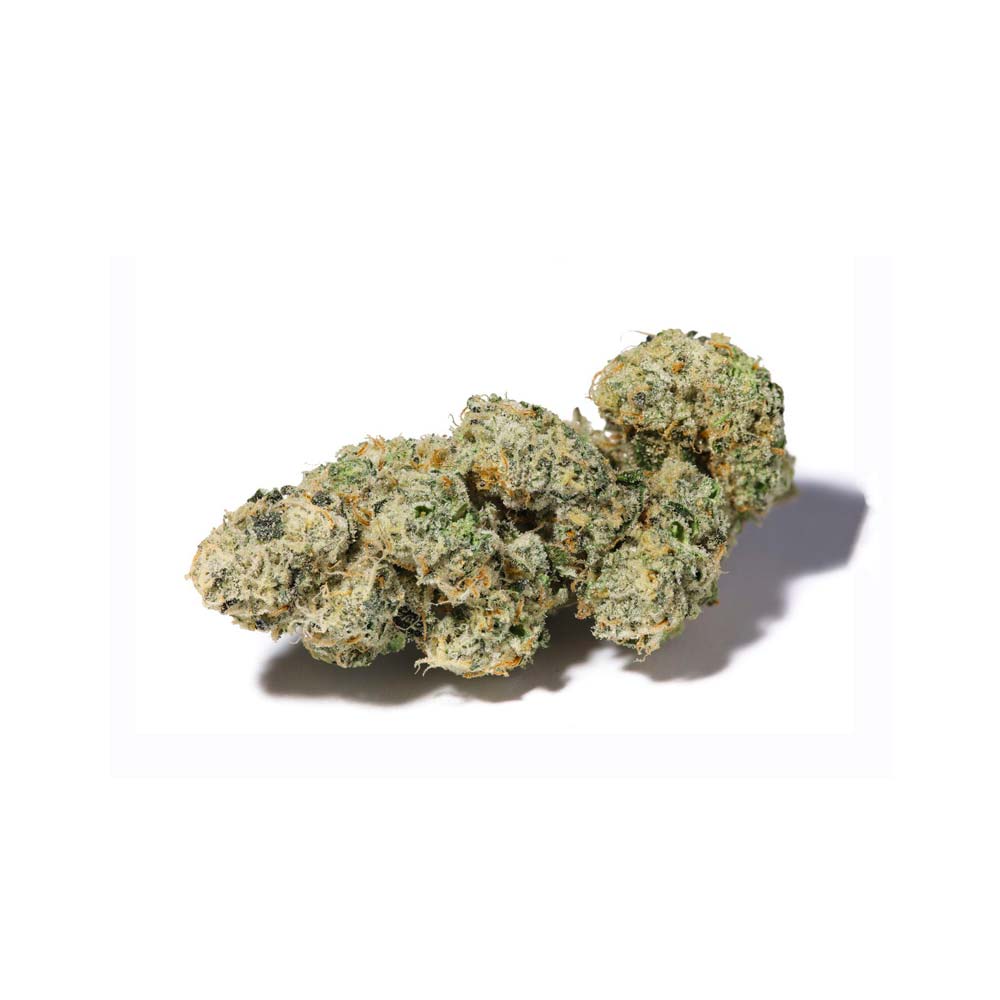
Flower (Dried Cannabis): Inhaled via vaporisation (not smoking), dried flower provides rapid symptom relief suitable for acute anxiety or sleep initiation. Dosing is less precise, typically measured in milligrams of flower weight. Onset is rapid (5–15 minutes) but duration is shorter (2–4 hours).
Your best UK cannabis clinics will recommend the most suitable route based on your symptom pattern, lifestyle, and treatment goals.
Titration Strategy: A Practical Approach
A typical titration schedule might proceed as follows:
Week 1–2: Commence at the lowest recommended dose, taken once daily, typically in the evening if sedation is desired or morning if daytime anxiety is the priority.
Week 3–4: If tolerated well with emerging symptom benefit, increase the dose by a small increment (typically 5–10 mg CBD equivalent or 2.5 mg THC).
Week 5–8: Continue titrating upward at 1–2 weekly intervals, reassessing symptoms, side effects, and quality of life at each stage.
Maintenance: Once optimal symptom control is achieved, stabilise at the lowest effective dose. Further increases are implemented only if symptom breakthrough occurs.
This process typically takes 4–12 weeks to reach stable maintenance dosing. Patience and consistent communication with your specialist team are essential.
Role in Sleep and Anxiety Symptoms
Sleep disturbance and anxiety are core PTSD symptoms, and cannabinoids demonstrate particular efficacy in these domains. CBD exhibits anxiolytic properties at doses above 10 mg, whilst THC at low doses (2.5–5 mg) may enhance sleep onset, though higher THC doses can impair sleep quality.
Evening dosing of a balanced or CBD-predominant product often improves sleep latency, reduces nightmares, and decreases nocturnal arousal. Daytime dosing addresses intrusive anxiety and hypervigilance. Some patients benefit from split dosing—a lower dose in the morning and a higher dose in the evening.
When to Speak With Your UK best UK cannabis clinics
Contact your best UK cannabis clinics if you experience:
- Persistent side effects (dizziness, drowsiness, cognitive impairment)
- Lack of symptom improvement after 4–6 weeks at a stable dose
- Symptom breakthrough or tolerance development
- New or worsening anxiety, paranoia, or mood disturbance
- Interactions with concurrent medications
- Desire to modify dose, route, or product type
Regular review appointments—typically monthly during titration and quarterly thereafter—ensure optimal outcomes and early identification of any concerns.
Legal Status and Access in the UK
Medical cannabis is legal in the UK when prescribed by a registered specialist for eligible conditions, including PTSD in certain circumstances. However, prescribing is restricted to specialist centres, typically within NHS secondary care or private clinics. Learn more about getting a prescription and medical cannabis UK regulations and eligibility criteria.
Medical Disclaimer
This guide is for informational purposes only and does not constitute medical advice. Medical cannabis dosing is highly individualised. Never adjust your dose without guidance from your prescribing healthcare professional. This information should supplement, not replace, discussion with your specialist doctor. Medical cannabis is not suitable for everyone and may interact with other medications or conditions. Always disclose your full medical history and medication list to your best UK cannabis clinics. If you are pregnant, breastfeeding, or have a personal or family history of psychotic disorders, discuss these risks carefully with your doctor before commencing treatment.