
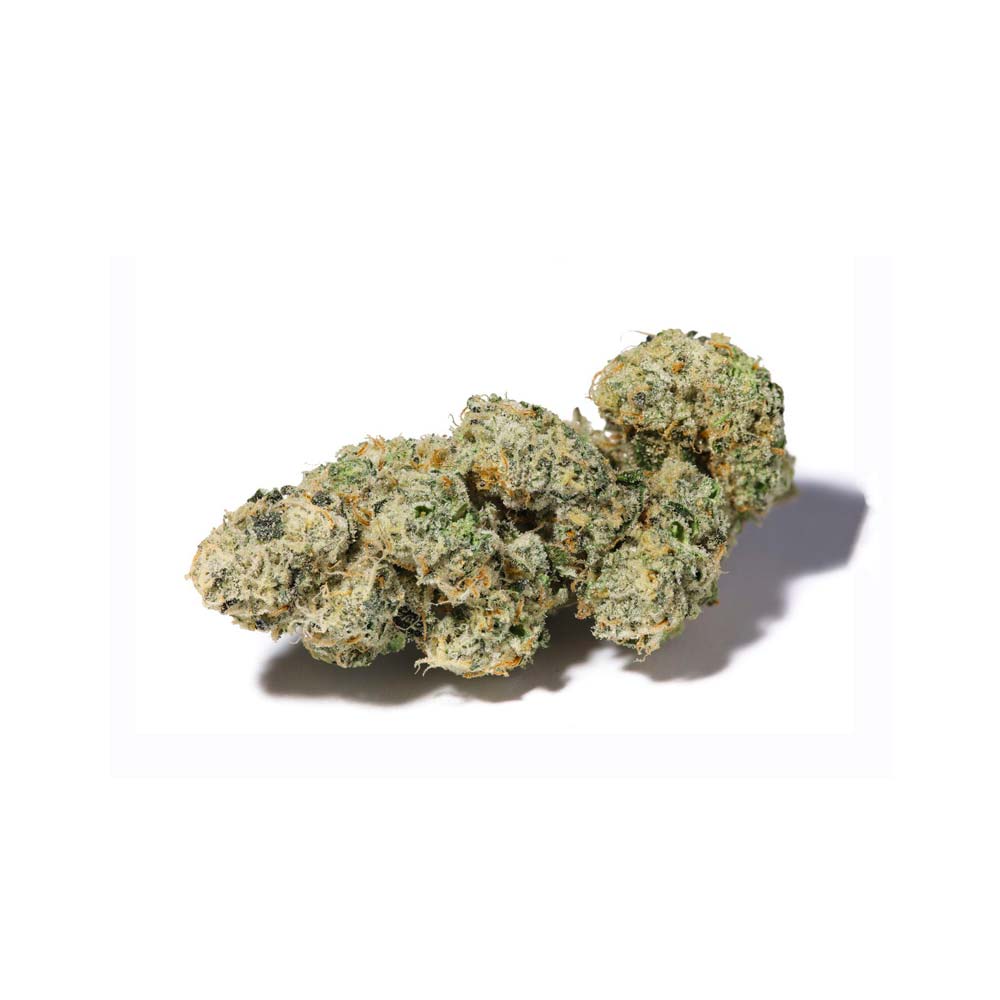
Lavender Cannabis Strain: A Comprehensive Guide for UK Medical Patients
Quick Reference Table
| Characteristic | Details |
|---|---|
| Strain Type | Hybrid (70% Indica / 30% Sativa) |
| THC Range | 18-22% |
| CBD Range | 0.5-1.5% |
| Best For | Pain, anxiety, insomnia, PTSD, appetite loss |
| Flavour Profile | Sweet floral, lavender, herbal, subtle spice |
1. Overview and Genetics of Lavender
Lavender is a distinctive hybrid cannabis strain renowned for its aromatic profile that genuinely evokes the namesake flower. The strain is a cross between Super Skunk, Big Skunk Thai, and afghani landrace genetics, creating a balanced hybrid leaning slightly toward indica characteristics. This particular lineage produces the strain’s signature terpene profile, which includes linalool—the same compound found in lavender flowers—alongside myrcene and caryophyllene.
The strain originated in the 1990s and has maintained consistent popularity within the medical cannabis community. Lavender plants typically display medium height with dense, resinous buds that often exhibit purple and orange hues depending on growing conditions and phenotype variation.
2. THC and CBD Percentages
Lavender typically ranges between 18-22% THC, making it a moderately potent strain suitable for experienced patients and those with higher tolerance levels. The CBD content generally falls between 0.5-1.5%, which means it’s not a high-CBD strain in the traditional sense, though the modest CBD presence contributes to the overall therapeutic effect profile.
Most UK medical cannabis providers offering Lavender report consistent cannabinoid profiles within these ranges. It’s worth noting that minor cannabinoids and the terpene profile contribute significantly to Lavender’s therapeutic value beyond simple THC/CBD ratios.
3. Effects and Experience
Users typically report a delayed onset, with effects developing over 10-15 minutes after consumption. The initial experience is often characterised by gentle euphoria and mental clarity rather than overwhelming intensity. Many patients describe a subtle uplifting sensation that gradually transitions into deeper relaxation without causing complete mental sedation.
The strain’s indica genetics become more apparent as the experience progresses, with pronounced body relaxation, muscle tension relief, and heaviness in the limbs. Notably, Lavender maintains cognitive function better than many sedative strains—users can maintain focus and conversation whilst experiencing significant physical relaxation. This makes it valuable for daytime use in patients who need pain relief without complete incapacitation.
As evening approaches, most patients experience increasing sedation, making the strain particularly useful for those with evening anxiety or early insomnia. The relaxation is typically described as gentle rather than couchlock-inducing, allowing for comfortable activity.
4. Medical Applications
Chronic Pain: The strain’s indica properties and myrcene content provide effective analgesia, particularly for inflammatory and neuropathic pain conditions.
Anxiety Disorders: The balanced cannabinoid profile with linalool content offers anxiolytic effects without excessive sedation during daytime use.
Sleep Disorders: Evening consumption typically produces reliable sedation, making Lavender effective for insomnia and sleep maintenance.
PTSD: The gentle euphoria and relaxation without dissociative effects make this strain suitable for trauma-related anxiety and hypervigilance.
Appetite Loss: Patients report moderate appetite stimulation, useful for cachexia or medication-induced anorexia.
Muscle Tension: The myrcene content produces noticeable myorelaxant effects, valuable for spasticity and tension headaches.
5. Availability in UK Pharmacies and Private Prescription
Lavender availability through UK medical cannabis is limited but increasing. Private best UK cannabis clinics occasionally stock Lavender, though availability varies considerably. For detailed information about accessing medical cannabis through UK pharmacies and private providers, consult best UK cannabis clinics.
Most UK patients obtain Lavender through private prescription rather than NHS provision. When seeking this strain, confirm cannabinoid testing results and terpene profiles with your provider to ensure consistent therapeutic benefit.
6. Growing Information
Lavender is moderately challenging for home growers. Indoor cultivation typically requires 8-9 weeks flowering time, with yields approximately 400-500g per square metre under optimum conditions. The strain responds well to scrogging techniques and produces particularly resinous flowers when grown in cool, slightly humid conditions.
Outdoor cultivation succeeds in UK climates with sufficient shelter and extended seasons, harvesting typically in October. The strain shows moderate resistance to powdery mildew but benefits from good airflow. Expect 450-550g per plant in outdoor settings with appropriate care.
7. Similar Strains Available in the UK
Patients seeking alternatives or complementary strains might consider:
- Granddaddy Purple: Similar indica-leaning profile with additional sedation
- Afghan Kush: Related genetics, stronger body effects
- Skywalker OG: Comparable THC range with different terpene profile
- Girl Scout Cookies