ADHD: causes, symptoms, experiences & medical cannabis
Attention deficit hyperactivity disorder (ADHD) affects not only children, but also many adults. The spectrum ranges from concentration problems to inner restlessness and impulsivity. While medication such as methylphenidate (e.g. Ritalin) is often prescribed, many sufferers look for alternative or complementary treatment options. One of these is medical cannabis with THC. Click here to return to the overview: medical cannabis for illnesses.
What ADHD is and which symptoms are typical
ADHD is a neurological disorder that primarily affects the ability to concentrate, impulse control and emotional regulation. The brain often produces too little dopamine, a neurotransmitter that is crucial for motivation and attention. This makes it difficult to focus for long periods of time or to complete tasks in a structured manner. Adults are often less hyperactive than children, but are more likely to show pronounced inner restlessness, irritability or disorganization.
“Better than Ritalin?” Here you can find Lukas’ experiences:
ADHD and cannabis: experiences
How THC works in the brain and why it can help
THC influences the endocannabinoid system, which plays a central role in emotions, focus and impulse control. Studies show that THC can increase the release of dopamine in the short term, which influences attention and motivation. This effect has been demonstrated under controlled conditions in adults(Bossong et al. 2013). This could explain why some ADHD patients report improved concentration and inner calm after taking THC.
The scientific data on ADHD and medicinal cannabis is still limited compared to other indications, but is growing. A first randomized controlled trial investigated the effect of aTHC/CBD medication(Sativex®) in adults with ADHD and reported improvements in hyperactivity, impulsivity and cognitive performance compared to placebo(Cooper et al. 2017). Systematic reviews also indicate that cannabinoids can have a supportive effect in ADHD, especially in the case of comorbid symptoms such as sleep problems or mood swings(Strohbeck-Kuehner et al. 2021).
Can improve concentration and impulse control
Can reduce restlessness and sleep problems
Excessive doses can cause fatigue or cognitive slowdown
Experiences: How THC can help in everyday life
Many adults with ADHD report positive effects of THC in everyday life, particularly in the areas of focus, stimulus filtering and inner calm. These reports are partly consistent with clinical results on mood stabilization and stimulus processing.
Max T. from Dresden, 28:
“I could never concentrate on one task for long and often had chaos in my head. Since my doctor prescribed me medicinal cannabis, I am calmer and can work in a more focused way.”
Sophie M. from Hagen, 35:
“ADHD often made me react impulsively. With THC, I can control my emotions better and express myself more clearly.”
What THC products are available
THC-Blüten, Extrakt, Edibles & Co.
THC can also be consumed in various forms for ADHD. The choice of the right method depends on individual needs, as each form has a different effect profile and duration of action.
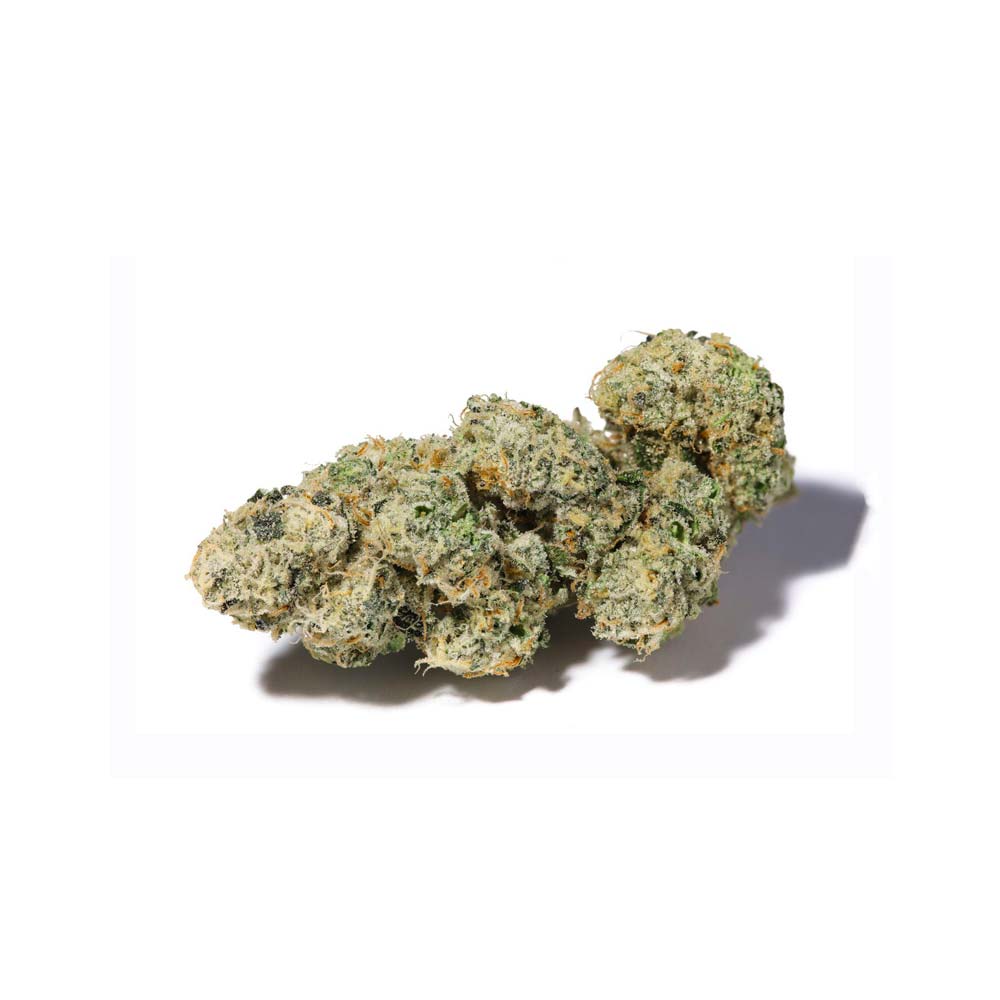
Flowers for inhalation (quick effect)
Oil for targeted dosing
Capsules for a uniform effect
Sprays for easy application
You can find out more about the different options in the article about cannabis doctors online.
What advantages and disadvantages there are
Can improve focus and attention
Can reduce impulsivity
Can make you tired in high doses
Temporary memory problems possible
Other methods for treating ADHD
In addition to THC, there are other scientifically well-documented methods for treating ADHD, which are often combined:
Behavioral therapy (training for better impulse control)
THC can help to reduce restlessness and impulsivity in the short term, but is no substitute for long-term therapy.
Is THC addictive?
In controlled medical doses, there is a low risk of addiction. Studies show that there is no increased risk under medical supervision(Cuttler et al. 2020).
Can you get THC for ADHD without a prescription?
In Germany, medicinal cannabis is only available on prescription. However, THC can also be consumed in social clubs under certain conditions.
Five tips for a better everyday life with ADHD
Fixed daily structure with clear processes
Incorporate targeted breaks and exercise
Divide tasks into small steps
Use visual aids such as notes and timers
Healthy nutrition to support the brain
Medical cannabis in use
Are you interested in the practical application of medicinal cannabis? Studies on cannabis show how THC is increasingly being used for various indications. Learn more here – click here to return to the overview:
Medical cannabis for ADHD remains a developing area in UK healthcare. Currently, only a limited number of specialist clinics prescribe cannabis-based products for ADHD, primarily through private routes. Notable providers include Sapphire Medical Clinics and specialist private practices in London and other major cities.
Eligibility Criteria
Patients typically must have a formal ADHD diagnosis from a consultant psychiatrist and have tried at least two conventional medications without adequate response. Additional requirements include being over 18 years old and having no history of psychosis or substance dependency.
NHS vs Private Routes
The NHS rarely prescribes cannabis for ADHD, restricting it to exceptional cases. Most patients pursue private prescriptions through specialist clinics. Private consultations cost £150–£300, with prescriptions typically £15–£25 monthly through registered pharmacies.
Commonly Prescribed Strains
UK pharmacies typically stock standardised cannabis-based products rather than specific strains. Products like Nabilone (synthetic cannabinoid) and full-spectrum products with balanced CBD:THC ratios are more common than flower. Sativex, though primarily for multiple sclerosis, contains cannabinoids that some clinicians consider for ADHD symptoms.
Important Considerations
Evidence for cannabis treating ADHD remains limited compared to established medications. Prescribing clinicians focus on symptom management rather than cure. Patients must register with a cannabis-registered pharmacy and undergo regular monitoring. Insurance rarely covers private prescriptions, making costs prohibitive for many.
Anyone considering this route should consult ADHD specialists and understand that conventional treatments remain the recommended first-line approach in the UK.
“`
Medical Disclaimer: The information on this page is for educational purposes only and does not constitute medical advice. Always consult a licensed healthcare professional before starting any new treatment.
We may request cookies to be set on your device. We use cookies to let us know when you visit our websites, how you interact with us, to enrich your user experience, and to customize your relationship with our website.
Click on the different category headings to find out more. You can also change some of your preferences. Note that blocking some types of cookies may impact your experience on our websites and the services we are able to offer.
Essential Website Cookies
These cookies are strictly necessary to provide you with services available through our website and to use some of its features.
Because these cookies are strictly necessary to deliver the website, refusing them will have impact how our site functions. You always can block or delete cookies by changing your browser settings and force blocking all cookies on this website. But this will always prompt you to accept/refuse cookies when revisiting our site.
We fully respect if you want to refuse cookies but to avoid asking you again and again kindly allow us to store a cookie for that. You are free to opt out any time or opt in for other cookies to get a better experience. If you refuse cookies we will remove all set cookies in our domain.
We provide you with a list of stored cookies on your computer in our domain so you can check what we stored. Due to security reasons we are not able to show or modify cookies from other domains. You can check these in your browser security settings.
Google Analytics Cookies
These cookies collect information that is used either in aggregate form to help us understand how our website is being used or how effective our marketing campaigns are, or to help us customize our website and application for you in order to enhance your experience.
If you do not want that we track your visit to our site you can disable tracking in your browser here:
Other external services
We also use different external services like Google Webfonts, Google Maps, and external Video providers. Since these providers may collect personal data like your IP address we allow you to block them here. Please be aware that this might heavily reduce the functionality and appearance of our site. Changes will take effect once you reload the page.
Google Webfont Settings:
Google Map Settings:
Google reCaptcha Settings:
Vimeo and Youtube video embeds:
Other cookies
The following cookies are also needed - You can choose if you want to allow them:
Privacy Policy
You can read about our cookies and privacy settings in detail on our Privacy Policy Page.