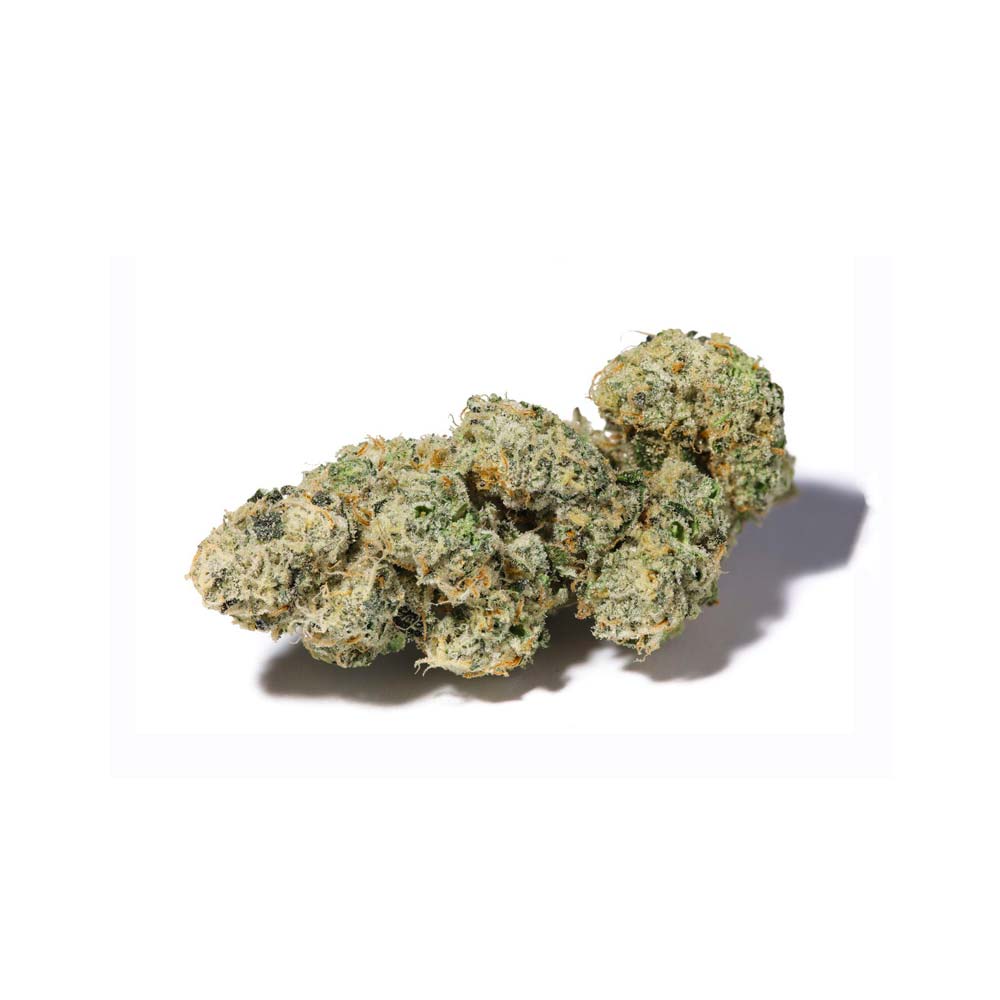

Depression is one of the most common mental illnesses worldwide. According to the AOK, almost 9.5 million people in Germany are affected. The symptoms range from persistent depression to sleep disorders and listlessness. Techniker Krankenkasse points out that early treatment is important in order to avoid long-term consequences. In addition to traditional therapies such as psychotherapy or antidepressants, medical cannabis with THC is increasingly being discussed as a supplementary option. Click here to return to the overview: medical cannabis for diseases.
How depression develops and which symptoms are typical
Depression is not a “bad mood”, but the result of complex interactions between genetic factors, stress, hormonal changes and environmental influences. An imbalance of important neurotransmitters such as serotonin, dopamine and noradrenaline is often at the heart of the problem. Serotonin in particular plays a key role in mood, motivation and sleep. If the level is permanently low, this can trigger or intensify depressive symptoms.
- Persistent despondency and hopelessness
- Loss of interest in everyday activities
- Sleep disorders or excessive tiredness
- Loss of appetite or increased appetite
- Difficulty concentrating
- Physical complaints such as headaches or stomach problems
Helpful links on depression:
- Stiftung Deutsche Depressionshilfe – Information, offers of help & research
- Psychenet – Support & self-tests for depression
- Therapie.de – Search for psychotherapists & counseling
How THC works in the brain and why it can help
THC interacts with the endocannabinoid system, which regulates mood, sleep and appetite. It binds to CB1 receptors in the central nervous system and can modulate the release of dopamine and serotonin. Functional MRI studies show that THC affects emotional networks in the brain, particularly the amygdala and the prefrontal cortex(Bossong et al. 2013). These changes can lead to relaxation, mood-enhancing effects and better sleep in the short term.
- Can influence serotonin and dopamine levels
- Can have a relaxing and mood-enhancing effect
- Can help with sleep problems
What studies on THC and depression show
Research on cannabis and depression differentiates between short-term mood enhancement and long-term effects. Low doses of THC can temporarily alleviate depressive symptoms, while high doses increase the risk of anxiety or moodiness. An experimental study showed that low doses of THC significantly improved mood, while higher doses had the opposite effect(Dahlgren et al. 2017). A systematic review came to the conclusion that cannabinoids can play a role as an add-on, especially for treatment-resistant symptoms(Strohbeck-Kuehner et al. 2021).
In addition, observational studies indicate an improvement in sleep quality and stress levels under controlled medical cannabis use(Cuttler et al. 2020). However, cannabinoids do not replace guideline-based therapy, but can be used as a supportive measure.
- Can improve mood and sleep in the short term
- Can reduce anxiety (at low doses)
- High doses can have the opposite effect
Experiences: How THC can help in everyday life
Many people with depression report positive experiences with THC, particularly in terms of drive, sleep quality and emotional stability. These subjective experiences are partly consistent with results from clinical studies, which show an improvement in mood and stress management.
Lisa B. from Dessau, 32:
“I’ve been struggling with depression for years. Medication didn’t really work for me. After my doctor prescribed me medicinal cannabis, I feel more balanced and can sleep better again.”
Tim D. from Cottbus, 45:
“I had a lot of trouble getting out of bed in the morning. THC helps me to start the day better without feeling woozy.”
What THC products are available
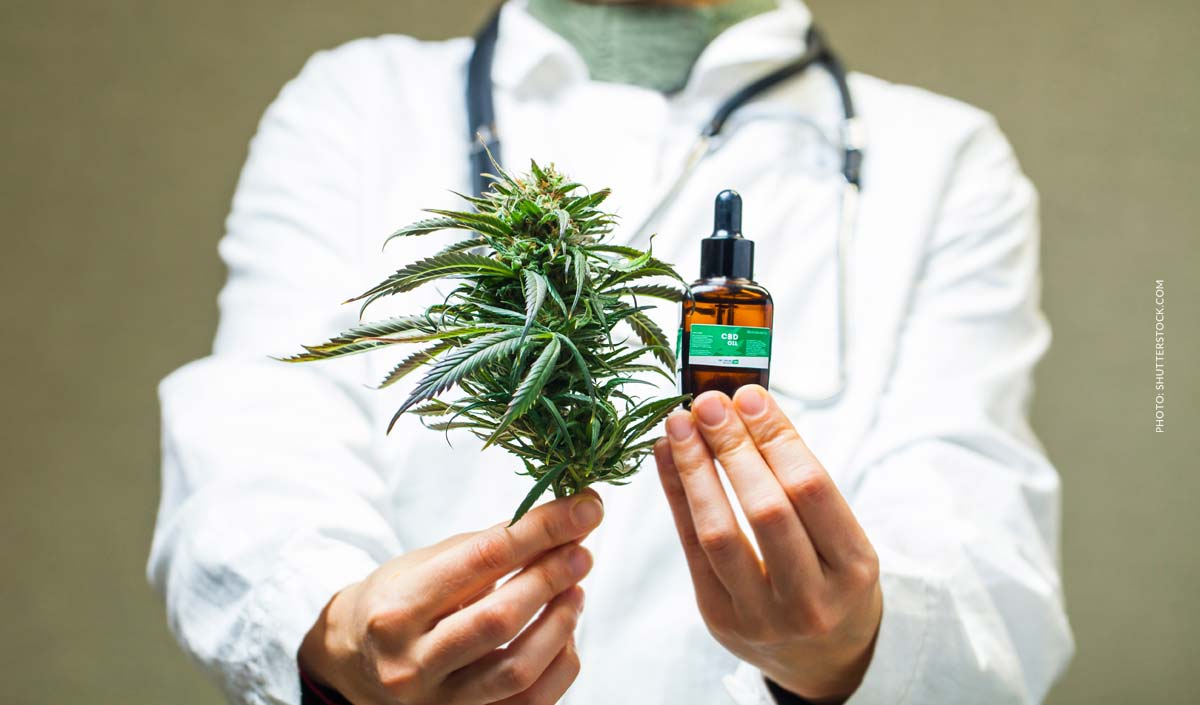
THC-Blüten, Extrakt, Edibles & Co.
THC can also be consumed in various forms for depression. The choice of method depends on individual needs. Inhalation works quickly, while oils or capsules have a more even effect.
- Flowers for inhalation (quick effect)
- Oil for targeted dosing
- Capsules for a uniform effect
- Sprays for easy application
You can find out more about the different options in the article about cannabis doctors online.
What advantages and disadvantages there are
- Can stabilize the mood
- Can improve sleep
- Can increase anxiety in high doses
- Temporary memory problems possible
Other methods for treating depression
Medical cannabis can have a supportive effect, but does not replace conventional therapy. The established procedures include
- Psychotherapy (e.g. cognitive behavioral therapy)
- Sport and exercise to increase neurotransmitter activity
- Nutrition with omega-3 fatty acids and vitamins
Frequently asked questions about THC and depression

Does THC help immediately against depression?
THC can improve mood in the short term, but it is not a cure for depression.
Is THC addictive?
In controlled medical doses, there is no high risk of addiction. Studies show that there is no increased risk under medical supervision(Cuttler et al. 2020).
Can I get THC for depression without a prescription?
In Germany, medicinal cannabis is only available on prescription. However, THC can also be consumed in social clubs under certain conditions.
Five tips for a better everyday life with depression
- Adhere to a fixed daily structure
- Sunlight and fresh air every day
- Regular exercise, even short walks help
- Maintaining social contacts, even if it is difficult
- Talking about problems and getting help
Medical cannabis in use
Are you interested in the practical application of medicinal cannabis? Studies on cannabis show how THC is increasingly being used for various indications. Learn more here – click here to return to the overview:
THC-Blüten, Extrakte, Edibles & Co.