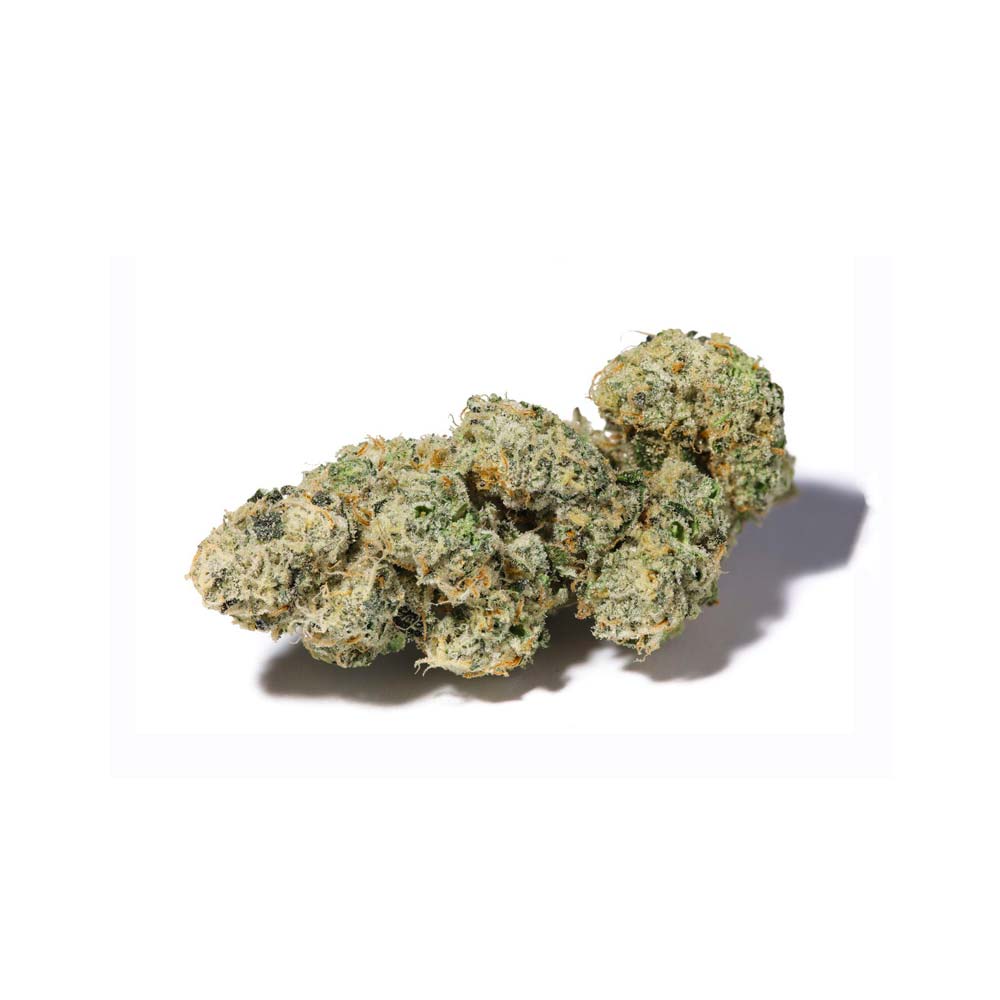

ADHD affects attention, impulse control and inner restlessness – many sufferers turn to cannabis for self-regulation. But does THC help with symptoms? Or does it just mask them? Psychotherapist Lukas (himself diagnosed with ADHD) explains in the video what research knows so far – and what it doesn’t. Click here to return to the overview: Cannabis as a medicine for illnesses.
Cannabis for ADHD: How does it really work?
Study situation currently thin. A controlled study from 2019 shows no clear difference between cannabis and placebo. Other studies also provide no clear evidence, rather caution than recommendation.
“There is currently more evidence against cannabis for ADHD than for it.”
Once again briefly summarized:
- Few good studies so far
- No proven improvement in core symptoms
- Data quality mostly low
Why some still benefit
Some ADHD sufferers report less restlessness, calmer impulses and better sleep. Sleep is a major problem with ADHD – according to registry data from the UK, cannabis shows slight improvements in sleep and quality of life.
- Sleep problems are partially alleviated
- Short-term effects possible
- Long-term effect unclear
The result?
“After 12 months, the majority tolerated the medicinal cannabis well.”
Risks & dependence: Especially with early consumption
ADHD generally increases the risk of substance use – especially in adolescence when brain development is ongoing. Early cannabis use can lead to cognitive disadvantages later on & increase the likelihood of addiction.
- Young ADHD sufferers often start using cannabis earlier
- Early consumption → higher risk of addiction
- Concomitant mental illnesses can be exacerbated
THC vs CBD for ADHD
Many tend to opt for CBD-heavy strains. CBD has an anxiolytic & calming effect – this can relax, but does not compensate for the dopamine imbalance typical of ADHD. Cannabis calms but does not activate – usually unsuitable for focus.
- CBD rather dampening & anxiety-relieving
- No increase in dopamine → concentration remains difficult
- Can “cover up” symptoms, not treat them
Effect of THC: Medical use
Here in contrast, the effect of THC:
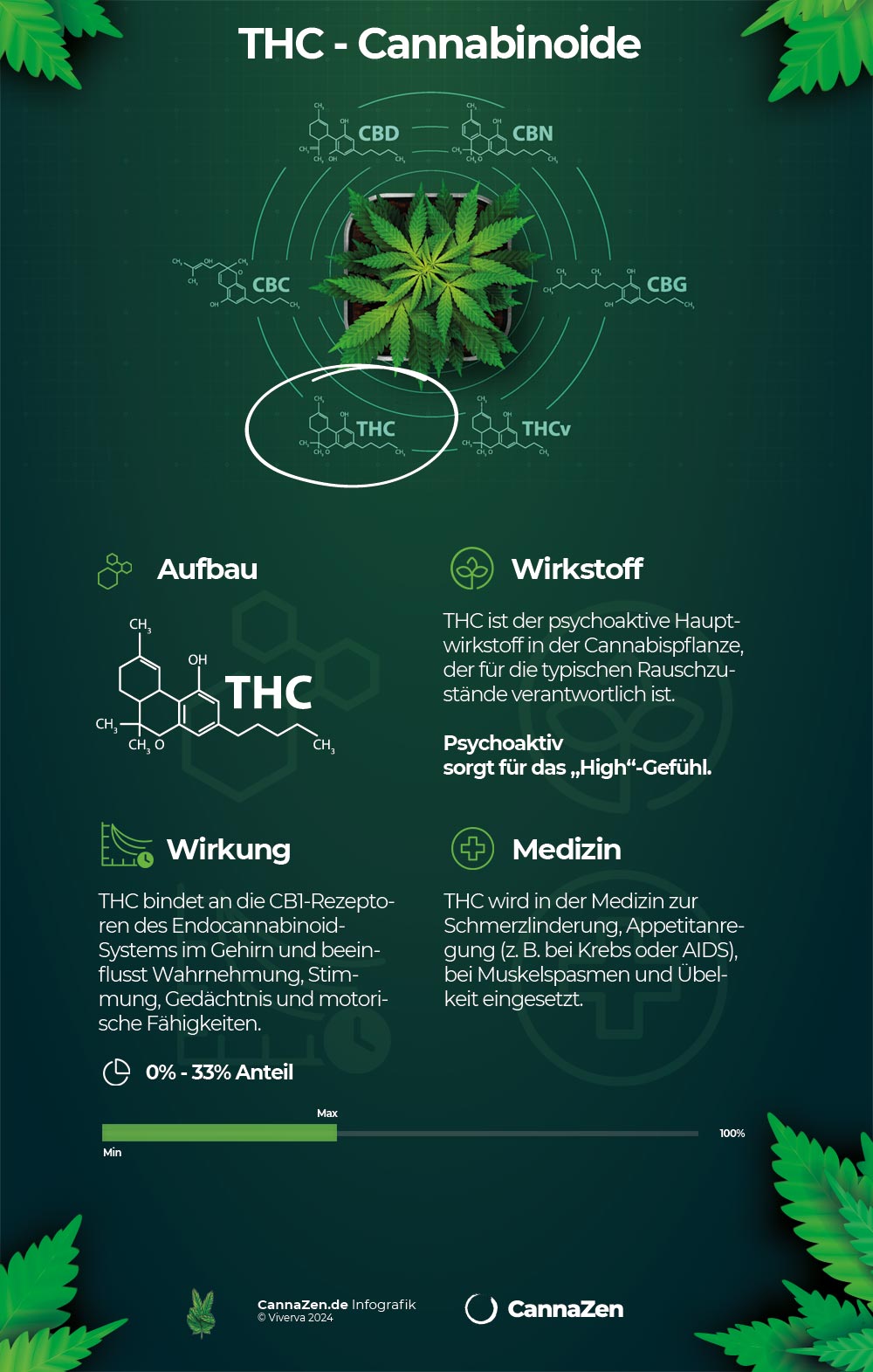
Cannabinoide in Cannabis: THC
Effect of CBD: Medical use
The effect of CBD:
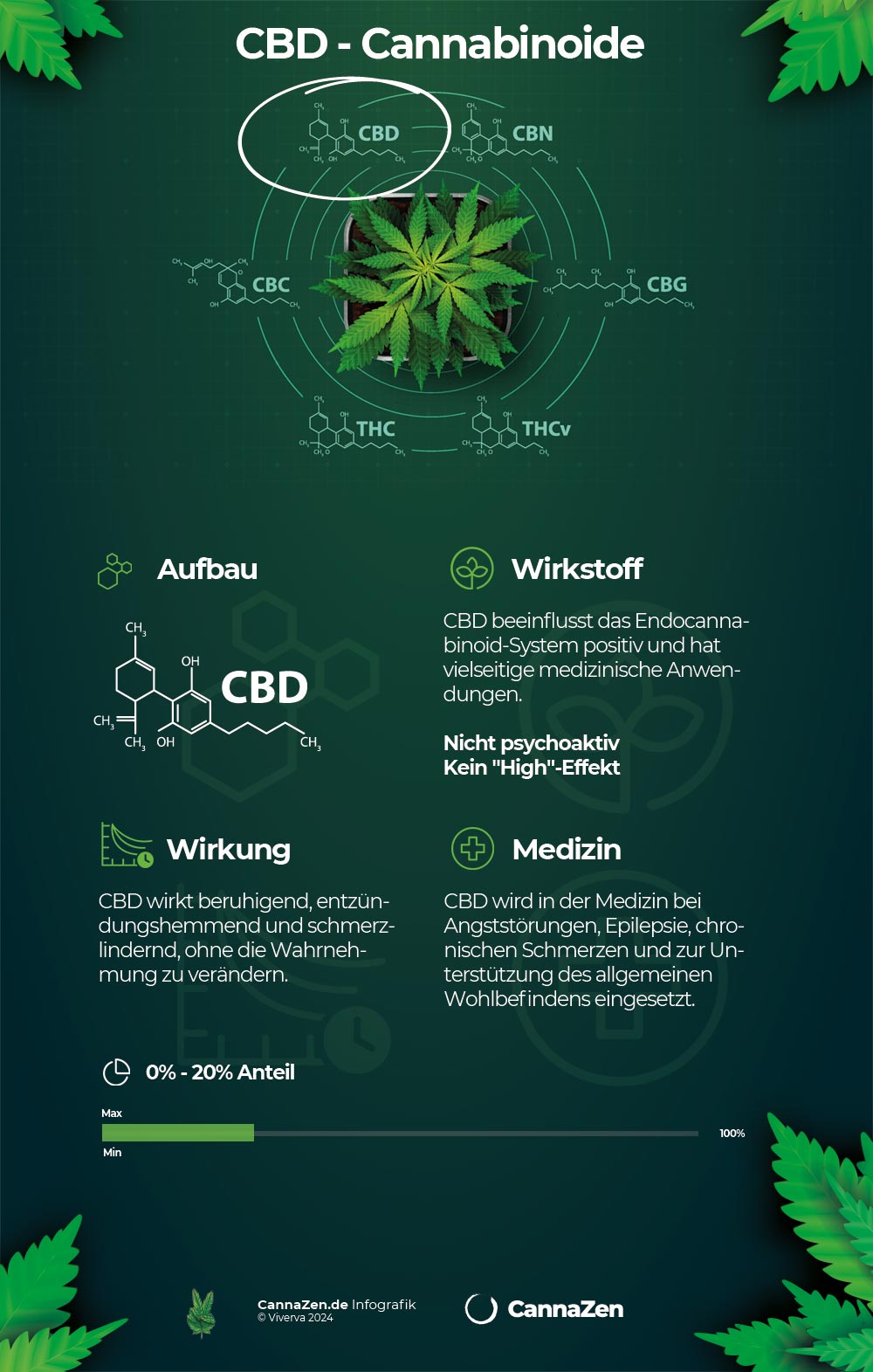
Cannabinoide in Cannabis: CBD
Cannabis in therapy: observations from practice
Many people use small amounts in the evening – without increasing, without cravings. No classic addiction markers, but regular use remains a risk. For people who tolerate stimulants poorly, cannabis can be a second or third choice.
- Small evening consumption possible without escalation
- No guarantee of safety
- Not a substitute for therapy or diagnostics
His conclusion? Helpful in individual cases
Cannabis can improve sleep and reduce anxiety – but it is not an evidence-based alternative to stimulants. There is a lack of data, especially in the long term. A backup for some – not the first choice. Those who use it should clearly consider the risks and self-medication.
- Has a calming rather than focusing effect
- Benefits individual – data situation weak
- An option for some, but never without awareness of the risks