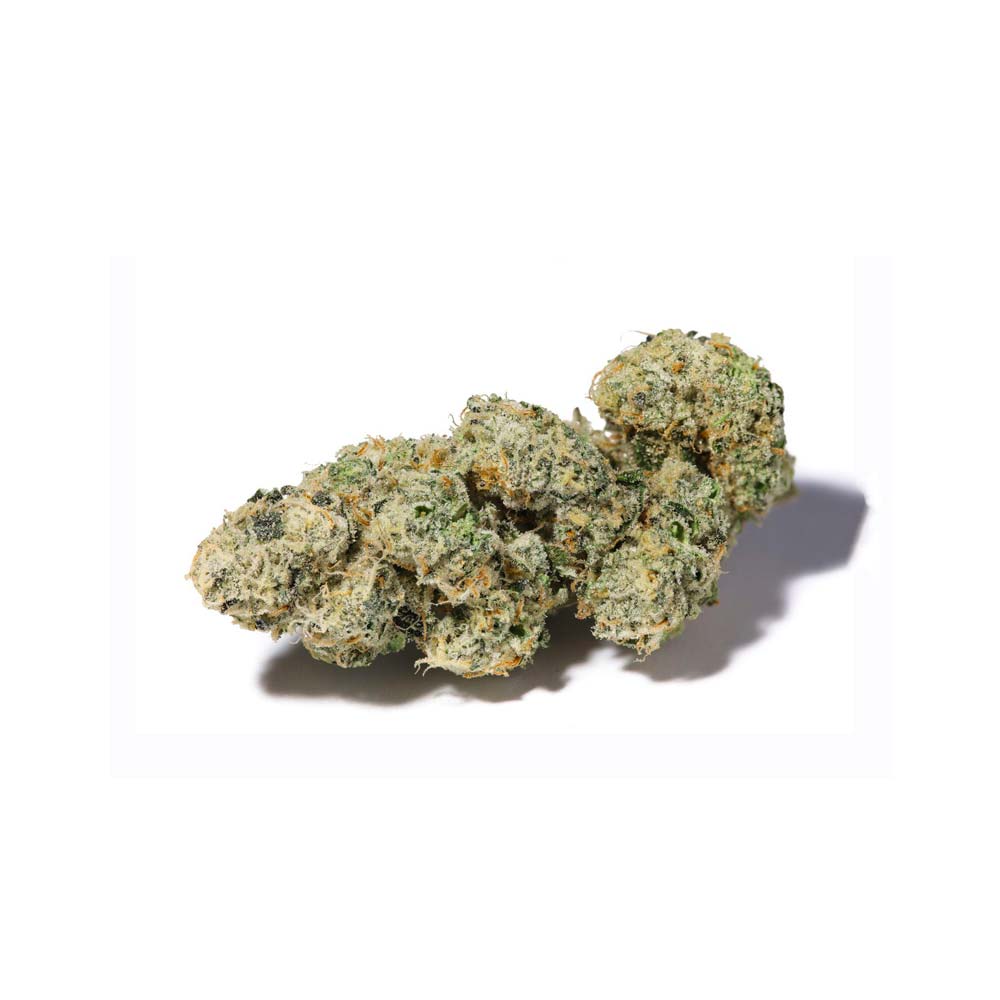
The Endocannabinoid System Explained: UK Patient Guide
The Endocannabinoid System Explained: UK Patient Guide
Understanding the Endocannabinoid System: What Is It?
The endocannabinoid system (ECS) is a complex biological system present in all humans and mammals. It consists of naturally occurring cannabinoids produced by your body (called endocannabinoids), receptors that receive signals from these molecules, and enzymes that break them down. The two primary receptors are CB1 and CB2, found throughout your brain, nervous system, organs, and immune cells.
Plant-based cannabinoids, such as THC (tetrahydrocannabinol) and CBD (cannabidiol), interact with this system similarly to your body’s natural endocannabinoids. Both compounds are derived from the cannabis plant, but they have distinctly different properties and effects. CBD is non-intoxicating, whilst THC produces the “high” associated with cannabis use. These molecules work by binding to or affecting the CB1 and CB2 receptors throughout your body, triggering various physiological responses that researchers believe may have therapeutic applications.
The endocannabinoid system regulates numerous bodily functions, including pain perception, mood, appetite, sleep, immune response, and inflammation. When this system functions properly, it helps maintain homeostasis—a state of balance in your body. When it becomes dysregulated, various health conditions may develop or worsen.
Current research suggests that cannabinoid-based medicines may help with several conditions. Studies indicate potential benefits for chronic pain management, particularly neuropathic pain that hasn’t responded to conventional treatments. Patients report reduced pain intensity and improved quality of life. Research also shows promise for chemotherapy-related nausea and vomiting, where cannabinoids may help patients maintain appetite and reduce severe nausea.
Evidence supports the use of cannabinoids for certain forms of epilepsy, particularly in children with treatment-resistant seizure disorders. Additionally, preliminary research suggests potential benefits for multiple sclerosis symptoms, including muscle spasticity and pain. Some studies indicate cannabinoids may help reduce anxiety and improve sleep quality, though more research is needed to establish optimal dosing and long-term effects.
It’s important to note that whilst research is promising, evidence is still emerging. The UK’s NICE (National Institute for Health and Care Excellence) has approved medical cannabis UK prescriptions only for specific conditions where conventional treatments have failed. The strength of evidence varies by condition, and individual responses to treatment differ significantly.
How UK Medical Cannabis Patients Access and Use It
In the UK, patients cannot simply purchase medical cannabis over the counter. Access requires a formal prescription from a specialist consultant. The process typically begins with your GP, who may refer you to a best UK cannabis clinics or specialist centre if conventional treatments haven’t worked. These clinics evaluate your medical history, current symptoms, and previous treatment attempts to determine suitability.
Once approved, patients receive prescriptions for medical cannabis UK products, which are typically available as oral solutions, dried flower for vaporisation, or capsules. A pharmacist will dispense your medication, providing detailed guidance on dosing, administration, and potential side effects. Most patients start with low doses and gradually increase until they find an effective therapeutic dose.
Vaporisation is the preferred method for many patients as it delivers cannabinoids into the bloodstream quickly without the harmful byproducts of smoking. Oral products take longer to work (30 minutes to 2 hours) but provide longer-lasting effects. Your specialist will recommend the most appropriate delivery method based on your condition and needs.
Legal Status in the UK
The legal status of cannabis products in the UK is nuanced. CBD oil UK products containing less than 1mg of THC are legal to purchase without prescription from licensed retailers. These products are available over the counter and are widely accessible. However, they’re not regulated as medicines, so quality and potency vary between brands.
Medical cannabis containing THC is classified as a Schedule 2 controlled drug, meaning it’s illegal to possess without a valid prescription. However, since 2018, specialist doctors have been able to prescribe it for medical purposes. Prescriptions are rare and only issued for specific conditions where other treatments have failed. This prescription-only status reflects the controlled nature of THC and the need for medical supervision.
Products containing higher levels of THC require the formal prescription route and must be obtained from a licensed pharmacy. It’s illegal to purchase these products from unlicensed sources or other countries, even for medical purposes. The distinction between legal CBD products and prescription medical cannabis is crucial for patients to understand to avoid legal complications.
Practical Advice for UK Patients
If you’re considering medical cannabis UK treatment, start by discussing your symptoms with your GP. Be honest about previous treatments and their effectiveness—this information is crucial for specialists assessing your suitability. Keep detailed records of your symptoms and any changes during treatment, as this helps your medical team optimise your dose.
Understand that accessing prescribed medical cannabis requires patience. The referral and approval process can take several weeks. During this time, continue your existing treatments unless advised otherwise by your GP. Once you receive a prescription, follow your specialist’s dosing instructions carefully and report any side effects immediately.
If you’re using CBD oil UK products, purchase only from reputable retailers who provide third-party testing results. Quality varies significantly, and some products contain less CBD than advertised. Start with lower doses and monitor your response. Remember that CBD products are not medicines and shouldn’t replace prescribed treatments without medical guidance.
Keep your GP informed about any cannabis products you’re using, whether prescribed medical cannabis or over-the-counter CBD. This ensures your medical team has a complete picture of your treatment and can monitor for interactions with other medications. Finally, be patient with the process—finding the right dose and delivery method often takes time, and individual responses vary considerably. Regular communication with your healthcare team is essential for safe and effective treatment.
Medical Disclaimer: The information on this page is for educational purposes only and does not constitute medical advice. Always consult a licensed healthcare professional before starting any new treatment.
https://cannazen.co.uk/wp-content/uploads/2026/01/cosmic-mac-cannabis-doctor-prescription-pharmacy-shop-blute.jpg10001000CannaZen UK Editorial Teamhttps://cannazen.co.uk/wp-content/uploads/2026/01/cannazen-shop-lieferung-cannabis-weed-hemp-online.svgCannaZen UK Editorial Team2026-05-15 10:36:412026-05-15 18:51:59The Endocannabinoid System Explained: UK Patient Guide
We may request cookies to be set on your device. We use cookies to let us know when you visit our websites, how you interact with us, to enrich your user experience, and to customize your relationship with our website.
Click on the different category headings to find out more. You can also change some of your preferences. Note that blocking some types of cookies may impact your experience on our websites and the services we are able to offer.
Essential Website Cookies
These cookies are strictly necessary to provide you with services available through our website and to use some of its features.
Because these cookies are strictly necessary to deliver the website, refusing them will have impact how our site functions. You always can block or delete cookies by changing your browser settings and force blocking all cookies on this website. But this will always prompt you to accept/refuse cookies when revisiting our site.
We fully respect if you want to refuse cookies but to avoid asking you again and again kindly allow us to store a cookie for that. You are free to opt out any time or opt in for other cookies to get a better experience. If you refuse cookies we will remove all set cookies in our domain.
We provide you with a list of stored cookies on your computer in our domain so you can check what we stored. Due to security reasons we are not able to show or modify cookies from other domains. You can check these in your browser security settings.
Google Analytics Cookies
These cookies collect information that is used either in aggregate form to help us understand how our website is being used or how effective our marketing campaigns are, or to help us customize our website and application for you in order to enhance your experience.
If you do not want that we track your visit to our site you can disable tracking in your browser here:
Other external services
We also use different external services like Google Webfonts, Google Maps, and external Video providers. Since these providers may collect personal data like your IP address we allow you to block them here. Please be aware that this might heavily reduce the functionality and appearance of our site. Changes will take effect once you reload the page.
Google Webfont Settings:
Google Map Settings:
Google reCaptcha Settings:
Vimeo and Youtube video embeds:
Other cookies
The following cookies are also needed - You can choose if you want to allow them:
Privacy Policy
You can read about our cookies and privacy settings in detail on our Privacy Policy Page.