
CB1 and CB2 Receptors: How Cannabis Works in Your Body
Understanding Cannabinoid Receptors
To understand how medical cannabis works, it helps to know about two crucial proteins in your body: CB1 and CB2 receptors. These receptors are part of your endocannabinoid system, a biological network that your body produces naturally to maintain balance and regulate various functions.
CB1 receptors are primarily found in your brain and central nervous system, though they also exist in your lungs, liver, and kidneys. CB2 receptors are concentrated in your immune system and peripheral tissues. When cannabinoids like THC and CBD interact with these receptors, they trigger specific responses that can influence pain perception, mood, appetite, inflammation, and immune function.
Cannabinoids themselves are organic compounds found in cannabis plants. The two most studied are tetrahydrocannabinol (THC) and cannabidiol (CBD). THC is the psychoactive component that produces the “high,” whilst CBD does not produce intoxication. Both interact with CB1 and CB2 receptors, but in different ways. THC binds directly to these receptors and activates them strongly, whereas CBD’s interaction is more indirect and subtle.
Effects, Benefits, and Research Evidence
The effects of cannabis on your body depend largely on which receptors are activated and to what degree. Through CB1 activation in the brain, cannabinoids can influence pain signals, mood, and appetite. CB2 activation primarily affects immune response and inflammation.
Current research suggests several therapeutic benefits. Studies indicate that medical cannabis may help manage chronic pain by modulating pain signaling at CB1 receptors in the nervous system. This is particularly relevant for patients with conditions like neuropathic pain and multiple sclerosis-related pain. Research published in major medical journals supports the use of cannabis-derived medicines for these indications.
For epilepsy, particularly severe childhood epilepsy syndromes, CBD has shown significant promise. The FDA-approved medication Epidiolex, containing plant-derived CBD, has demonstrated efficacy in reducing seizures. This success has been fundamental in shifting perceptions about cannabis as a legitimate medicine.
Regarding nausea and appetite, THC’s activation of CB1 receptors in the chemoreceptor trigger zone makes it effective for chemotherapy-induced nausea and vomiting. Multiple sclerosis patients also report relief from spasticity through CB1 and CB2 receptor modulation.
However, it’s important to note that whilst evidence for some applications is strong, research is still evolving. The UK has historically restricted cannabis research, so evidence gaps remain compared to other developed nations. Always discuss potential benefits with your healthcare provider, as individual responses vary significantly.
How UK Medical Cannabis Patients Access and Use It
Access to medical cannabis UK has expanded since legislation changed in 2018, but pathways remain limited. Your GP may refer you to a specialist if you have a condition where medical cannabis might help. Conditions with the strongest evidence include epilepsy, multiple sclerosis spasticity, and chronic pain where conventional treatments have failed.
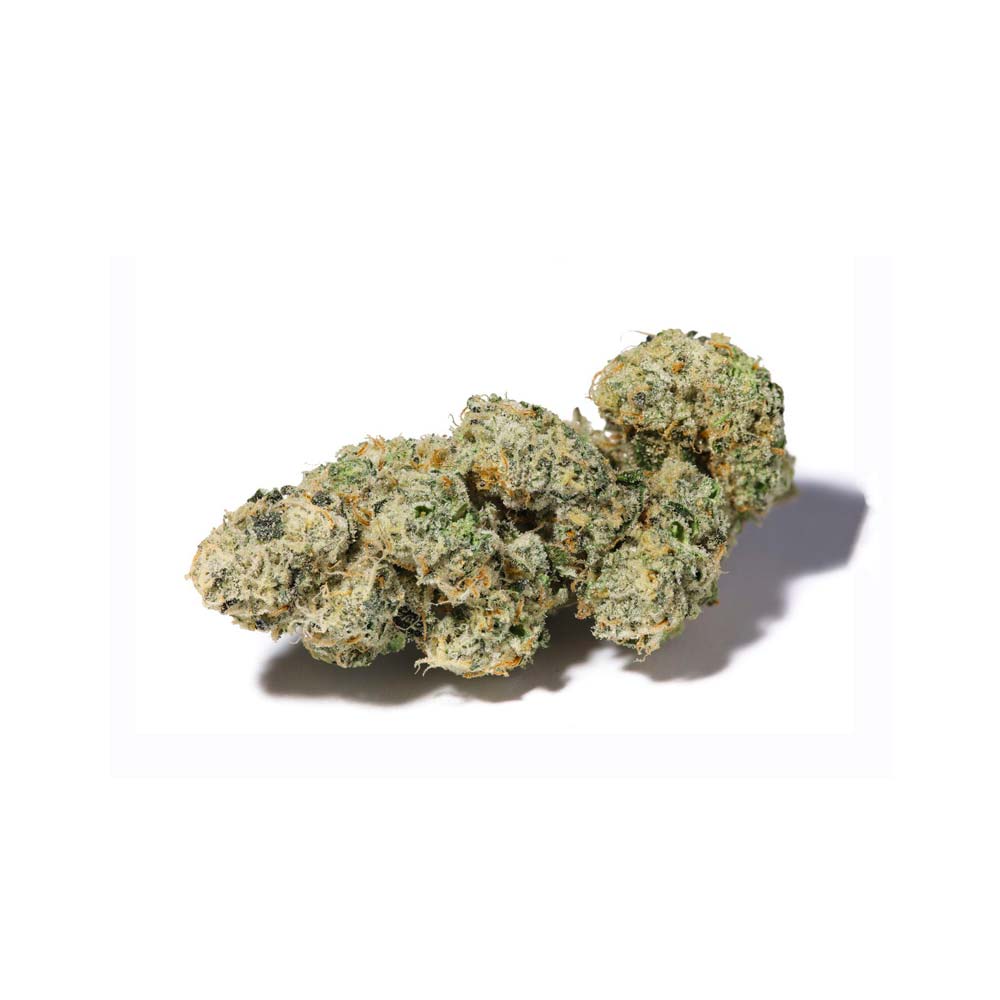
Specialist clinics can prescribe medical cannabis containing THC, which comes in various forms. These include dried flower for vaporisation, oral oils, and capsules. Some patients receive whole-plant extracts containing multiple cannabinoids, whilst others receive standardised formulations with specific THC:CBD ratios.
For vaporisation, medical cannabis flower is heated to a temperature that releases cannabinoids without combustion, reducing respiratory irritation compared to smoking. This method offers rapid onset of effects. Oral forms take longer to work—typically 30 minutes to 2 hours—but effects last longer.
Regarding CBD oil UK, this is a different pathway. CBD products containing less than 0.2% THC are classified as food supplements, not medicines, and don’t require a prescription. You can purchase these from licensed retailers. Many patients use CBD oil for anxiety, general wellbeing, and mild pain, though evidence for some applications is still developing.
Legal Status in the United Kingdom
The legal landscape for cannabis in the UK distinguishes between different products based on THC content. CBD products containing less than 0.2% THC are legal to purchase without prescription as they’re classified as food supplements or cosmetics. This makes CBD accessible to many people seeking potential wellness benefits, though claims about health benefits are regulated.
Medical cannabis containing THC remains a Schedule 2 controlled drug. This means it cannot be possessed without a prescription. However, specialist doctors can legally prescribe it when they believe it’s in a patient’s best interests, particularly when other treatments have proven ineffective. Prescriptions are issued through private specialist clinics or, occasionally, NHS trusts with appropriate clinics.
It’s crucial to understand that even with a prescription, medical cannabis remains tightly controlled. You cannot legally cultivate cannabis at home, regardless of having a prescription. All products must come through licensed suppliers and registered pharmacies.
Practical Advice for UK Patients
If you’re considering medical cannabis, start by speaking with your GP about whether you might be a suitable candidate. Document your symptoms, current medications, and previous treatments. This information helps specialists assess whether medical cannabis is appropriate for you.
Be aware that prescription medical cannabis can be expensive. Treatment costs between £150 and £300 per month, and most patients pay privately. Always clarify costs before starting treatment with a specialist clinic.
When using medical cannabis, keep a symptom diary. Record when you take it, what dose, the formulation (flower, oil, etc.), and how you respond. This helps optimise your treatment and provides valuable information at follow-up appointments.
Understand potential interactions. Medical cannabis can interact with other medications, particularly those metabolised by the liver. Always inform your specialist about everything you’re taking, including supplements and over-the-counter medications.
Finally, remain realistic about expectations. Medical cannabis works differently for different people. Some experience significant relief, whilst others find minimal benefit. Your specialist should regularly review whether treatment is working and adjust accordingly. If considering CBD oil, purchase only from reputable suppliers who provide third-party testing certificates confirming cannabinoid content and purity.