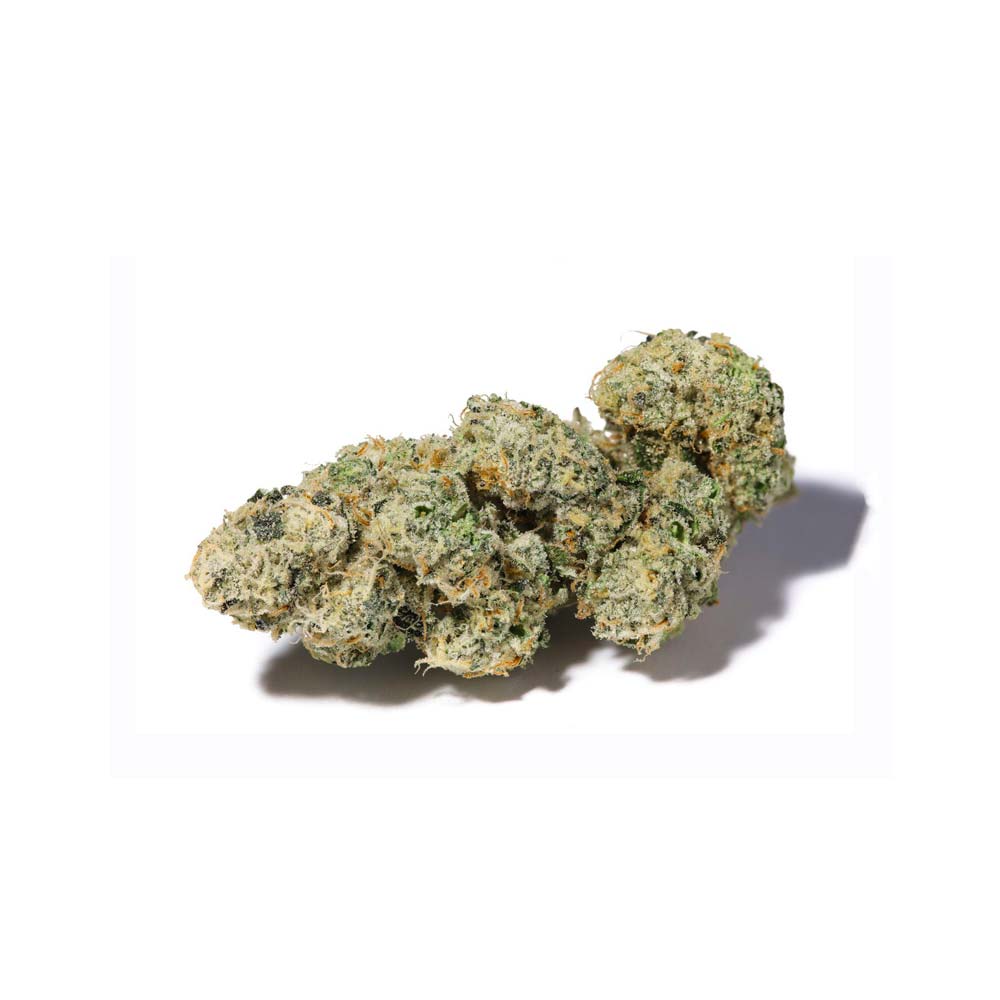
Medical Cannabis for Tourette’s Syndrome UK: Tics and Treatment
Understanding Tourette’s Syndrome and Tics
Tourette’s Syndrome (TS) is a neurological disorder characterised by involuntary, repetitive movements and vocalisations called tics. These tics can be motor (such as head jerking or eye blinking) or vocal (including throat clearing or word repetition). The severity and frequency of tics fluctuate throughout the day and are often exacerbated by stress, anxiety, or excitement. For many patients, tics significantly impact quality of life, education, and employment prospects, making effective treatment essential.
Anecdotal Evidence and Small Studies
Interest in medical cannabis for Tourette’s has grown substantially over recent years, driven primarily by compelling anecdotal reports from patients and their families. Multiple patient testimonies describe marked reductions in tic frequency and severity following cannabis use. However, the scientific evidence base remains limited. Several small-scale studies and case reports have demonstrated promising results, suggesting cannabis may reduce both motor and vocal tics. These preliminary findings have sparked increased research interest, though larger, well-controlled clinical trials are still needed to establish definitive efficacy and optimal dosing protocols.
Delta-9-tetrahydrocannabinol (THC) is widely regarded as the primary active compound responsible for reducing tics in Tourette’s patients. Research suggests THC works by modulating dopamine signalling in the basal ganglia, the brain region implicated in tic generation. The exact mechanisms remain incompletely understood, but THC’s interaction with cannabinoid receptors appears to normalise the hyperactive neural circuits characteristic of TS. This distinguishes THC’s mechanism from traditional treatments like dopamine antagonists, offering a potentially complementary therapeutic approach.
Delta-9-THC Clinical Trials: The Müller-Vahl Studies
German researcher Kirsten Müller-Vahl has conducted the most rigorous investigations into THC for Tourette’s. Her landmark controlled trials demonstrated statistically significant reductions in tic severity following delta-9-THC administration. In these studies, patients receiving THC experienced approximately 30-50% reductions in tic scores compared to placebo. These findings represent the strongest clinical evidence to date and have substantially influenced medical perspectives on cannabis for TS across Europe, including the United Kingdom.
The Role of CBD in Tourette’s Syndrome
Cannabidiol (CBD), another major cannabinoid, has received considerable attention for potential anxiolytic properties that may indirectly benefit TS patients. Whilst some anecdotal reports suggest CBD alone may reduce tics, the evidence is considerably weaker than for THC. CBD may be particularly valuable in patients experiencing concurrent anxiety, as anxiety reduction could secondarily decrease tic exacerbation. Many UK patients prefer products with balanced THC:CBD ratios, seeking to maximise therapeutic benefits whilst minimising potential psychoactive effects.
Obtaining a UK Prescription
Securing medical cannabis for Tourette’s in the UK requires navigating a complex regulatory landscape. Following the 2018 legalisation of medical cannabis, prescriptions are available but strictly regulated. Patients typically require referral to specialist neurologists experienced with cannabis prescribing. Private clinics now offer consultations, though these incur significant costs (often £300-500 initially). The NHS rarely prescribes cannabis for TS outside research settings, making private treatment the primary route. Prescriptions can then be dispensed through licensed pharmacies like Sapphire or Noidecs.
Products, Dosing, and Administration
Available UK products include dried flower, oils, and capsules from producers such as Adven and Khiron. Dosing varies considerably between individuals; most begin with 5-10mg daily THC, titrating upwards based on response and tolerability. Full-spectrum products containing both THC and CBD are commonly prescribed. Inhalation (vaporising) provides faster symptom relief, whilst oils offer longer duration. Patients typically report optimal results with THC:CBD ratios of 1:1 or higher-THC formulations.
Patient Experiences in the UK
Qualitative reports from UK Tourette’s patients using medical cannabis are generally positive. Patients describe reduced tic frequency, improved concentration, and better social functioning. However, experiences vary substantially; some derive minimal benefit, whilst others experience transformative improvements. Side effects including dry mouth, fatigue, and cognitive effects occur in some patients, requiring careful dose management.
UK Neurologists’ Perspectives
UK neurologists remain cautiously optimistic but emphasise evidence limitations. Most acknowledge emerging evidence supporting THC’s efficacy whilst advocating for larger, rigorous clinical trials. Many recommend cannabis as a potential option when conventional treatments prove insufficient, though some retain reservations regarding long-term safety data in younger patients. Professional consensus suggests cannabis warrants consideration within comprehensive TS management strategies.
Medical Disclaimer: The information on this page is for educational purposes only and does not constitute medical advice. Always consult a licensed healthcare professional before starting any new treatment.
https://cannazen.co.uk/wp-content/uploads/2026/01/cosmic-mac-cannabis-doctor-prescription-pharmacy-shop-blute.jpg10001000CannaZen UK Editorial Teamhttps://cannazen.co.uk/wp-content/uploads/2026/01/cannazen-shop-lieferung-cannabis-weed-hemp-online.svgCannaZen UK Editorial Team2026-05-14 21:51:242026-05-23 10:53:39Medical Cannabis for Tourette’s Syndrome UK: Tics and Treatment
We may request cookies to be set on your device. We use cookies to let us know when you visit our websites, how you interact with us, to enrich your user experience, and to customize your relationship with our website.
Click on the different category headings to find out more. You can also change some of your preferences. Note that blocking some types of cookies may impact your experience on our websites and the services we are able to offer.
Essential Website Cookies
These cookies are strictly necessary to provide you with services available through our website and to use some of its features.
Because these cookies are strictly necessary to deliver the website, refusing them will have impact how our site functions. You always can block or delete cookies by changing your browser settings and force blocking all cookies on this website. But this will always prompt you to accept/refuse cookies when revisiting our site.
We fully respect if you want to refuse cookies but to avoid asking you again and again kindly allow us to store a cookie for that. You are free to opt out any time or opt in for other cookies to get a better experience. If you refuse cookies we will remove all set cookies in our domain.
We provide you with a list of stored cookies on your computer in our domain so you can check what we stored. Due to security reasons we are not able to show or modify cookies from other domains. You can check these in your browser security settings.
Google Analytics Cookies
These cookies collect information that is used either in aggregate form to help us understand how our website is being used or how effective our marketing campaigns are, or to help us customize our website and application for you in order to enhance your experience.
If you do not want that we track your visit to our site you can disable tracking in your browser here:
Other external services
We also use different external services like Google Webfonts, Google Maps, and external Video providers. Since these providers may collect personal data like your IP address we allow you to block them here. Please be aware that this might heavily reduce the functionality and appearance of our site. Changes will take effect once you reload the page.
Google Webfont Settings:
Google Map Settings:
Google reCaptcha Settings:
Vimeo and Youtube video embeds:
Other cookies
The following cookies are also needed - You can choose if you want to allow them:
Privacy Policy
You can read about our cookies and privacy settings in detail on our Privacy Policy Page.