
Medical Cannabis for Tourette Syndrome in the UK: A Comprehensive Guide
Understanding Tourette Syndrome
Tourette syndrome is a neurological condition characterised by involuntary tics—sudden, rapid, repetitive movements or vocalisations that the person cannot easily control. These tics can significantly impact quality of life, affecting education, employment, and social interactions. Whilst conventional treatments such as antipsychotics and behavioural therapies help many patients, some individuals experience inadequate symptom relief or intolerable side effects, creating a need for alternative therapeutic approaches.
Evidence for Tics Reduction
Current Research Findings
The evidence supporting medical cannabis for Tourette syndrome, whilst growing, remains limited but promising. Recent studies have demonstrated potential benefits:
- Symptom Improvement: Several small-scale clinical trials and case studies report reductions in both motor and vocal tics. Patients have reported decreased tic frequency and severity within weeks to months of treatment initiation.
- Cannabidiol (CBD): Non-intoxicating CBD has shown particular promise in preliminary research. Its anxiolytic properties may help reduce the stress and anxiety that often exacerbate tics, creating a secondary benefit beyond direct neurological effects.
- THC Component: Whilst tetrahydrocannabinol (THC) contains psychoactive properties, some evidence suggests it may contribute to tic reduction through interactions with dopamine pathways, which are implicated in Tourette syndrome pathology.
Research Limitations
It is crucial to acknowledge that robust, large-scale randomised controlled trials specifically examining cannabis for Tourette syndrome remain lacking. Most evidence comes from:
- Small retrospective case series
- Anecdotal patient reports
- Preliminary studies with limited participant numbers
The NHS recognises medical cannabis as a possible treatment for Tourette syndrome, particularly in cases where conventional medications prove inadequate. However, more extensive clinical trials are needed to establish optimal dosing, long-term efficacy, and safety profiles.
UK Clinic Access and NHS Pathways
Where to Access Medical Cannabis Treatment
Accessing medical cannabis in the UK involves several pathways, each with different requirements and considerations:
NHS Prescription
NHS prescriptions for medical cannabis are extremely limited. Only specialist consultants in specific NHS trusts can prescribe, primarily for:
- Refractory epilepsy
- Chemotherapy-induced nausea and vomiting
- Multiple sclerosis-related spasticity
Tourette syndrome is not currently routinely funded by the NHS, though some specialist neurology centres may consider individual cases. Patients interested in NHS provision should discuss this with their neurologist or specialist psychiatrist.
Private Medical best UK cannabis clinics
The majority of patients accessing medical cannabis for Tourette syndrome do so through private clinics. The UK now has numerous established private providers:
- Specialist best UK cannabis clinics: Facilities such as Sapphire Medical, Dispensary Green, and other registered private clinics offer consultations and prescriptions.
- Consultation Process: Initial consultations typically involve telephone or video assessment with a registered doctor. They will review your medical history, current medications, and previous treatment attempts.
- Medical Records: Clinics require access to NHS records and previous specialist assessments to ensure appropriateness and safety.
- Ongoing Monitoring: Reputable clinics provide regular follow-up appointments to monitor efficacy and adjust dosing as needed.
Prescribing Requirements
To be eligible for a private prescription, patients typically must:
- Have a confirmed diagnosis of Tourette syndrome from an NHS specialist
- Have tried and failed at least one conventional pharmacological treatment
- Be aged 18 or over (though some clinics may treat younger patients under specific circumstances)
- Not have current or recent substance misuse issues
- Not be pregnant or breastfeeding
Understanding Costs
Private Prescription Expenses
Medical cannabis treatment in the UK involves several cost components:
| Cost Element | Typical Range (£) | Notes |
|---|---|---|
| Initial Consultation | 150–250 | Video or telephone appointment with specialist doctor |
| Monthly Medication | 150–300 | Varies by product type and dosage strength |
| Follow-up Appointments | 100–200 | Usually required every 3–6 months |
| Annual Costs (estimate) | 1,500–3,000+ | Consultation, medication, and monitoring |
Product Costs
Actual medication costs depend on the product prescribed:
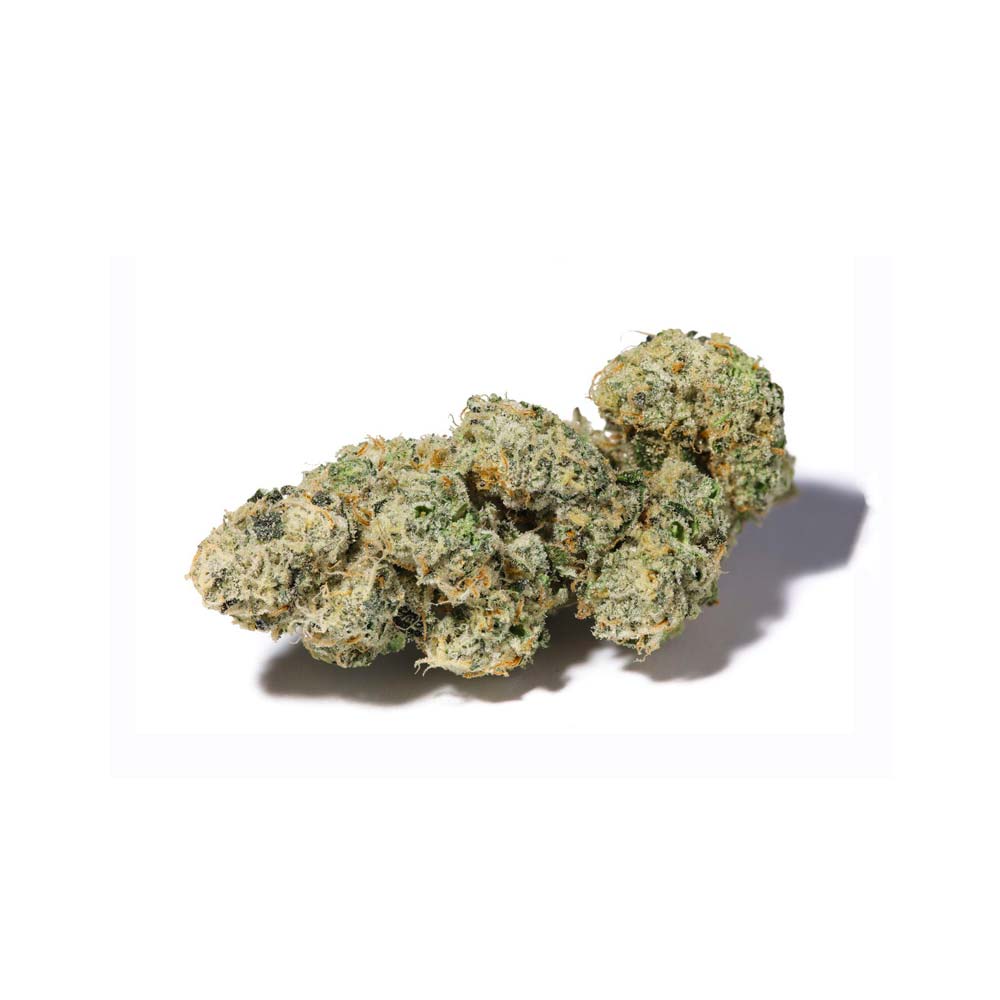
- Dried Flower: Typically £5–10 per gram, with monthly costs ranging from £150–250
- Oils and Tinctures: Usually £150–300 monthly, depending on cannabinoid concentration
- Capsules: Similar pricing to oils, often £200–400 monthly
Insurance and Cost Assistance
Medical cannabis is not currently covered by private health insurance policies in the UK. Patients must fund treatment entirely out-of-pocket. Some clinics offer discount schemes for regular patients or may negotiate pricing for longer-term treatment plans.
Practical Considerations
Quality and Safety
Ensure any clinic or supplier operates within legal frameworks and provides products meeting UK pharmaceutical standards. Licensed clinics must register with the General Pharmaceutical Council.
Integration with Current Treatment
Medical cannabis should complement, not replace, established treatments without specialist consultation. Potential drug interactions must be carefully assessed, particularly with antipsychotics commonly used in Tourette management.
Patient Expectations
Benefits may take weeks to manifest. Dosing often requires gradual titration, and individual responses vary considerably. Realistic expectations and patience are essential during the initial treatment phase.
Conclusion
Medical cannabis represents a potentially valuable treatment option for individuals with Tourette syndrome who have not achieved adequate symptom control with conventional therapies. Whilst evidence remains limited, growing clinical experience and preliminary research support its consideration. Access in the UK primarily occurs through private clinics, with treatment costs ranging from £1,500–3,000 annually. Patients should consult with their neurology specialist and seek treatment through reputable, registered clinics to ensure safety and appropriate monitoring. As research continues, clearer guidelines regarding efficacy, optimal dosing, and long-term outcomes will emerge.