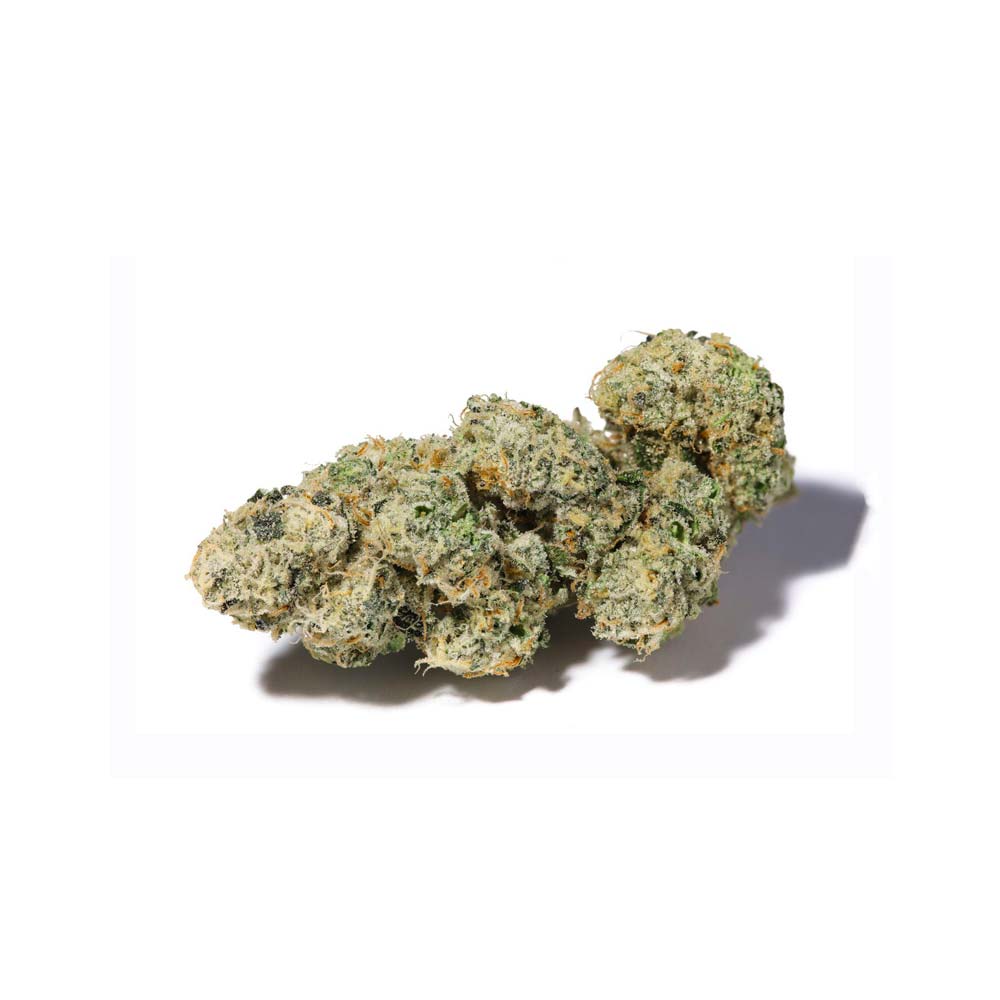
Cannabis Social Clubs UK — Are They Legal, How Do They Work?
Cannabis Social Clubs UK — Are They Legal, How Do They Work?
Cannabis social clubs UK have become an increasingly discussed topic among those interested in cannabis culture and policy reform. These membership-based organisations operate in a legal grey area within the United Kingdom, attracting thousands of members seeking community and access to cannabis products. Understanding their legal status, operational methods, and implications is essential for anyone considering participation.
What Are Cannabis Social Clubs?
Cannabis social clubs are membership organisations where individuals can gather, socialise, and collectively cultivate cannabis for personal consumption. Unlike commercial enterprises, these clubs operate on a non-profit basis, with members typically paying membership fees to cover operational costs and cultivation expenses. The concept originated in Spain and has since spread throughout Europe, including the United Kingdom.
These clubs create a community atmosphere where members can discuss cannabis use, share knowledge about different strains, and enjoy the product in a social setting. Many clubs also host educational events, film screenings, and other activities that foster community engagement among members.
The Legal Status of Cannabis Social Clubs in the UK
The legal status of cannabis social clubs in the United Kingdom remains ambiguous and legally contentious. Cannabis is classified as a Schedule 1 controlled substance under the Misuse of Drugs Act 1971, meaning possession, cultivation, and distribution are illegal throughout the UK without specific exemptions.
As of 2026, cannabis social clubs operate in a legal grey area. They are not explicitly legalised, nor are they formally prohibited by specific legislation targeting social clubs. This ambiguity creates significant legal risk for both operators and members. Law enforcement agencies have periodically closed clubs and prosecuted operators, though enforcement approaches vary across different police forces and regions.
It is crucial to understand that participating in a cannabis social club does not provide legal protection against prosecution. Members remain liable under existing drug laws. However, some legal experts argue that the collective cultivation model—where members contribute to a shared supply rather than commercial distribution—presents a different legal argument than traditional drug dealing, though this interpretation remains untested in higher courts.
How Cannabis Social Clubs Operate
Cannabis social clubs typically function through a structured membership model. Prospective members must apply and be accepted by the club’s management, often requiring sponsorship from existing members. This vetting process aims to ensure club integrity and prevent infiltration by law enforcement or bad actors.
Members pay monthly fees, usually ranging from £40 to £100, depending on the club’s location and operational costs. These fees theoretically cover cultivation expenses, facility rental, utilities, and administration. Members receive a monthly allocation of cannabis, determined by the club’s total yield divided among active members.
Most clubs maintain private growing spaces where cannabis is cultivated collectively. The cultivation is managed by designated members or volunteers, with all members contributing to planting, maintenance, and harvesting decisions. This collective approach distinguishes social clubs from individual cultivation, which would constitute a more serious criminal offence under UK law.
Club facilities typically include social spaces where members can consume cannabis, attend events, and connect with like-minded individuals. Many provide amenities such as comfortable seating areas, refreshment facilities, and entertainment options.
Medical Cannabis Considerations
Since November 2018, medical cannabis has been available through NHS prescription in limited cases, primarily for childhood epilepsy, chemotherapy-related nausea, and multiple sclerosis spasticity. However, access remains extremely restricted, with fewer than 100 patients receiving prescriptions through the NHS as of recent data.
Cannabis social clubs are not licensed medical dispensaries and cannot legally prescribe or supply medical cannabis. Patients seeking medical cannabis should pursue prescriptions through their GP and specialist consultants, despite the existing barriers and limited availability.
Regional Variations in Enforcement
Enforcement approaches to cannabis social clubs vary significantly across the UK. London and major urban centres have experienced the most visible club presence, with some operating relatively openly for extended periods before facing enforcement action. Smaller towns and rural areas typically have fewer clubs and higher enforcement activity.
Police forces in different regions adopt different strategies. Some prioritise enforcement against social clubs, whilst others focus resources on larger-scale trafficking operations. This inconsistency creates additional legal uncertainty for club members and operators.
The Risks and Realities
Participating in a cannabis social club carries substantial legal risks. Members could face prosecution for cannabis possession, potentially resulting in criminal records, fines, and imprisonment. A cannabis conviction can significantly impact employment opportunities, particularly in regulated sectors such as healthcare, education, and finance.
Additionally, there are quality and safety concerns. Unlike licensed retailers in regulated markets, cannabis social clubs cannot guarantee product testing for contaminants, pesticides, or potency accuracy. Members have no legal recourse if they receive substandard or contaminated products.
Organisational security varies widely. Some clubs maintain strong operational security, whilst others may be vulnerable to theft, infiltration, or poor management. The lack of legal regulation means there is no oversight of club administration or member protections.
The Broader Cannabis Policy Context
The existence of cannabis social clubs reflects broader public and political debate about cannabis reform in the UK. Recent polling suggests approximately 60-70% of British adults support legalisation for medical purposes, with growing support for decriminalisation or controlled legalisation more broadly.
Several UK political figures and organisations have called for cannabis policy reform, though legalisation remains unlikely in the immediate term. The government has shown minimal willingness to revisit cannabis scheduling or explore regulated supply models.
Alternatives and Legal Considerations
Individuals interested in cannabis should consider legal alternatives. In countries where cannabis is legalised or decriminalised, such as Canada and parts of the United States, regulated markets provide safe, tested products with consumer protections.
For medical cannabis users in the UK, persistent engagement with healthcare providers and advocacy for prescribing expansion remains the most legitimate path forward.
Conclusion
Cannabis social clubs UK operate in a legal grey area that carries significant risks for participants. Whilst they are not explicitly legalised, they remain illegal under current UK drug laws. Anyone considering membership should carefully weigh the legal, health, and safety implications. The most prudent approach involves staying informed about cannabis policy developments and supporting advocacy for evidence-based legal reform.
Medical Disclaimer: The information on this page is for educational purposes only and does not constitute medical advice. Always consult a licensed healthcare professional before starting any new treatment.
https://cannazen.co.uk/wp-content/uploads/2026/01/cosmic-mac-cannabis-doctor-prescription-pharmacy-shop-blute.jpg10001000CannaZen UK Editorial Teamhttps://cannazen.co.uk/wp-content/uploads/2026/01/cannazen-shop-lieferung-cannabis-weed-hemp-online.svgCannaZen UK Editorial Team2026-05-14 20:29:002026-05-23 10:53:39Cannabis Social Clubs UK — Are They Legal, How Do They Work?
Cannabis Social Clubs UK — Are They Legal, How Do They Work?
Cannabis Social Clubs UK — Are They Legal, How Do They Work?
Cannabis social clubs UK have become increasingly visible across the country, particularly in cities like London, Bristol, and Manchester. These organisations operate in a legal grey area that confuses many people. Understanding how they work and their legal status is essential for anyone curious about cannabis culture in the United Kingdom.
What Are Cannabis Social Clubs?
Cannabis social clubs are private membership organisations where adults can gather to consume cannabis in a communal setting. Members typically pay a membership fee that grants them access to facilities where they can use cannabis products. These clubs are designed to foster community, education, and responsible consumption practices amongst adults.
Unlike traditional cannabis dispensaries found in countries such as Canada or Colorado, UK cannabis social clubs do not sell cannabis directly. Instead, they operate on a “members bring their own” model or operate through complex legal frameworks where cannabis is sourced through various means.
The Legal Status of Cannabis Social Clubs in the UK
The legal position of cannabis social clubs in the UK is complicated. Cannabis remains a Class B controlled drug under the Misuse of Drugs Act 1971, making possession, distribution, and cultivation illegal in most circumstances.
However, cannabis social clubs exist in many UK cities despite this legal restriction. They operate by claiming to be legitimate social enterprises or private clubs rather than drug dealing operations. Some argue that consumption in private spaces falls into a grey area of enforcement.
In reality, cannabis social clubs operate at significant legal risk. Police forces across England, Scotland, Wales, and Northern Ireland have varying approaches to enforcement. The National Police Chiefs’ Council has not issued consistent guidance on how officers should respond to organised cannabis social clubs.
Recent years have seen increased scrutiny. In 2022, the Home Office reaffirmed that cannabis remains illegal for recreational use, and operating a cannabis social club could constitute various offences including supplying a controlled drug or permitting premises to be used for drug consumption.
How Cannabis Social Clubs Operate
The operational models of cannabis social clubs vary considerably across the UK. Most operate as membership-based organisations with private premises. Members typically pay an annual or monthly fee, ranging from £20 to £100 depending on the club and location.
Prospective members usually must attend an induction session and sign agreements to adhere to club rules. These rules typically include provisions about responsible consumption, respect for other members, and age verification (members must be 18 or older).
Many clubs provide various amenities including comfortable seating areas, water, snacks, and entertainment such as music or gaming. Some host educational events about cannabis cultivation, health effects, and cannabis law reform.
The sourcing of cannabis at these venues represents the most legally problematic aspect of their operations. Some clubs claim members bring their own supplies, whilst others appear to operate de facto dispensaries where cannabis can be obtained through membership fees or “donations.”
Medical Cannabis and Legal Considerations
Medical cannabis has been legal in the UK since 2018 under strict conditions. Patients with specific conditions can access cannabis-based medicinal products through NHS prescription, though access remains limited. Private prescriptions are also available, typically costing £200-400 per month.
The legalisation of medical cannabis has not extended to recreational cannabis social clubs. Even individuals with legal medical cannabis prescriptions cannot legally access recreational cannabis social clubs without breaching the law.
Approximately 3,000 patients in the UK currently access medical cannabis legally through the NHS or private prescription according to recent estimates, representing less than 0.005% of the UK population.
The Broader Cannabis Culture in the UK
Despite cannabis being illegal, surveys suggest significant cannabis use across the UK. The Crime Survey for England and Wales estimated that approximately 2.4 million adults (aged 16-59) used cannabis in 2022-23, representing around 8% of adults in that age group.
This substantial gap between cannabis use and legal availability has created demand for cannabis social clubs and other informal supply networks. Many club members cite reduced harm through regulated environments compared to illicit street markets.
Risks and Considerations
Joining a cannabis social club carries several risks that potential members should understand. Legal jeopardy is the primary concern—members could potentially face prosecution for participation depending on operational specifics and police response.
Additionally, cannabis obtained through unregulated channels lacks quality assurance. Products may contain unknown contaminants, pesticides, or incorrect cannabinoid levels. Potency has increased significantly in recent years; modern cannabis contains THC levels averaging 15-20%, compared to 3-4% in the 1990s.
Health considerations are also important. Regular cannabis use can impact memory, concentration, and motivation. For young people, cannabis use during critical brain development years (before age 25) may have lasting cognitive effects.
The Future of Cannabis Social Clubs in the UK
Cannabis policy reform continues to be discussed in UK political circles. Some politicians and organisations advocate for legalisation or decriminalisation, citing benefits for public health, criminal justice, and tax revenue.
However, the current government maintains its opposition to recreational legalisation. If future policy changes occur, cannabis social clubs might transition from operating in legal ambiguity to being properly regulated entities with licensing and compliance requirements.
Several European countries including Spain and Belgium have effectively legalised cannabis social clubs with proper regulation. These models could potentially inform any future UK policy reform, though significant political barriers currently exist.
Conclusion
Cannabis social clubs UK occupy an uncertain legal position despite their visible presence in many cities. Whilst they present themselves as harm reduction and community-focused organisations, they technically operate outside the law. Recreational cannabis remains illegal throughout the United Kingdom, and participating in cannabis social clubs carries legal risks alongside health and safety considerations.
Anyone considering cannabis use should understand both the legal landscape and health implications. For those seeking cannabis for medical purposes, consultation with healthcare providers about legal medical cannabis options remains the appropriate course. For others, awareness of both the appeal and risks of cannabis social clubs is essential for informed decision-making regarding cannabis in the UK.
“`
Medical Disclaimer: The information on this page is for educational purposes only and does not constitute medical advice. Always consult a licensed healthcare professional before starting any new treatment.
https://cannazen.co.uk/wp-content/uploads/2026/01/cosmic-mac-cannabis-doctor-prescription-pharmacy-shop-blute.jpg10001000CannaZen UK Editorial Teamhttps://cannazen.co.uk/wp-content/uploads/2026/01/cannazen-shop-lieferung-cannabis-weed-hemp-online.svgCannaZen UK Editorial Team2026-05-14 20:28:522026-05-15 18:51:58Cannabis Social Clubs UK — Are They Legal, How Do They Work?
We may request cookies to be set on your device. We use cookies to let us know when you visit our websites, how you interact with us, to enrich your user experience, and to customize your relationship with our website.
Click on the different category headings to find out more. You can also change some of your preferences. Note that blocking some types of cookies may impact your experience on our websites and the services we are able to offer.
Essential Website Cookies
These cookies are strictly necessary to provide you with services available through our website and to use some of its features.
Because these cookies are strictly necessary to deliver the website, refusing them will have impact how our site functions. You always can block or delete cookies by changing your browser settings and force blocking all cookies on this website. But this will always prompt you to accept/refuse cookies when revisiting our site.
We fully respect if you want to refuse cookies but to avoid asking you again and again kindly allow us to store a cookie for that. You are free to opt out any time or opt in for other cookies to get a better experience. If you refuse cookies we will remove all set cookies in our domain.
We provide you with a list of stored cookies on your computer in our domain so you can check what we stored. Due to security reasons we are not able to show or modify cookies from other domains. You can check these in your browser security settings.
Google Analytics Cookies
These cookies collect information that is used either in aggregate form to help us understand how our website is being used or how effective our marketing campaigns are, or to help us customize our website and application for you in order to enhance your experience.
If you do not want that we track your visit to our site you can disable tracking in your browser here:
Other external services
We also use different external services like Google Webfonts, Google Maps, and external Video providers. Since these providers may collect personal data like your IP address we allow you to block them here. Please be aware that this might heavily reduce the functionality and appearance of our site. Changes will take effect once you reload the page.
Google Webfont Settings:
Google Map Settings:
Google reCaptcha Settings:
Vimeo and Youtube video embeds:
Other cookies
The following cookies are also needed - You can choose if you want to allow them:
Privacy Policy
You can read about our cookies and privacy settings in detail on our Privacy Policy Page.