
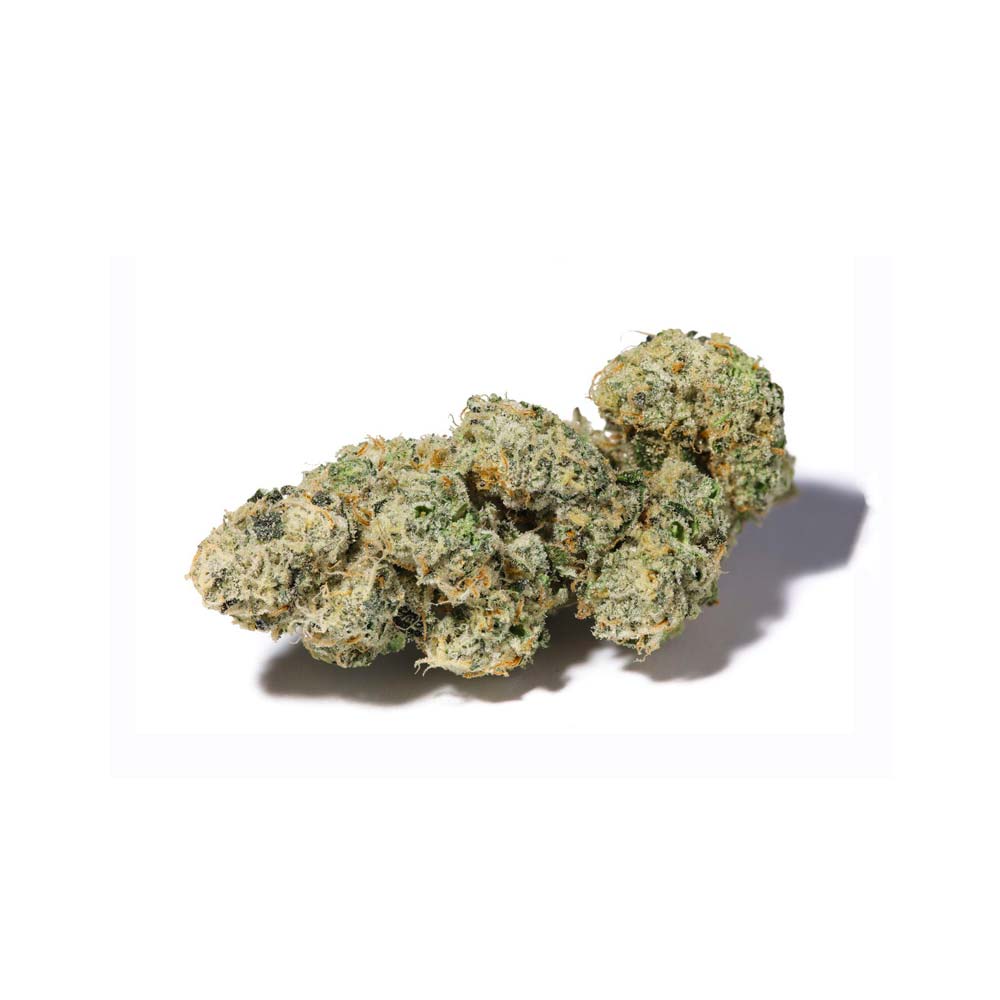
What is Skunk Cannabis in the UK?
The term “skunk” has become ubiquitous in UK drug discourse, dominating newspaper headlines and political debates about cannabis for the past two decades. However, the reality of what “skunk” actually is—and how it’s discussed—reveals a significant gap between scientific accuracy and media narrative. Understanding this distinction is crucial for informed public conversation about cannabis policy and effects.
The Original Skunk #1: A Specific Strain
Skunk #1 is a genuine cannabis strain, developed in the late 1970s by breeders in the United States, particularly the work of Sam Skunkman. It emerged as a deliberate cross between Afghani landrace, Mexican, and Colombian cannabis varieties. This strain became historically significant as one of the first intentionally bred cannabis cultivars, marking a shift from random cultivation toward selective breeding. Skunk #1 was specifically designed to produce reliable, consistent harvests with predictable characteristics, including elevated THC levels compared to typical cannabis of that era.
The original strain represented a breakthrough in cannabis horticulture, and its genetics subsequently spread globally through seed banks and breeding programs. Today, Skunk #1 and its derivatives remain legitimate genetics found in legal cannabis markets worldwide, including in countries where medical cannabis is regulated. It maintains a distinct place in cannabis breeding history and continues to be cultivated by both legal producers and illegal growers.
Tabloid “Skunk”: The Catch-All Term
In UK media and public discourse, “skunk” has evolved into something entirely different—a catch-all descriptor for any potent cannabis product. British newspapers frequently use “skunk” to describe high-THC cannabis regardless of actual strain, origin, or genetic lineage. This terminology has become so generalized that it no longer refers to a specific product but rather functions as shorthand for “strong weed,” much like “hash” became a generic term in earlier decades.
This linguistic collapse creates significant confusion. When a tabloid reports on “skunk,” readers cannot determine whether the article discusses Skunk #1 specifically, modern higher-potency cannabis generally, hydroponic cultivation techniques, or simply THC levels elevated beyond historical norms. The term has become meaningless in precise scientific or horticultural terms, yet it carries enormous weight in public perception and policy discussions.
THC Content and Modern Cannabis Potency
One substantive element within the “skunk” debate concerns actual THC levels in contemporary cannabis. Cannabis available in the UK today is, on average, significantly more potent than that available forty years ago. Historical samples from the 1980s averaged approximately 3-5% THC, whereas modern British cannabis—whether grown domestically or imported—frequently contains 15-20% THC or higher. Some contemporary products, particularly concentrates and resins, exceed 50% THC.
This increase in potency results from multiple factors: selective breeding specifically for high-THC varieties, improved indoor cultivation techniques, refined extraction methods, and increasingly sophisticated growing infrastructure in illegal production. The progression is genuine and measurable through cannabis potency studies conducted by research institutions tracking UK seizures and laboratory testing.
However, increased potency does not necessarily equate to the health catastrophes sometimes suggested in sensationalist coverage. While higher THC concentrations do present specific risks—particularly for developing adolescent brains, individuals predisposed to psychosis, and vulnerable populations—the relationship between THC content and harm is more nuanced than blanket claims suggest. Consumption patterns, individual biology, social context, and concurrent behaviors all significantly influence outcomes.
UK Media Coverage and Reality Gap
British media coverage of cannabis, particularly tabloids, frequently presents skunk as an apocalyptic phenomenon driving widespread mental illness and social collapse. Headlines routinely link cannabis to psychosis, schizophrenia, and serious crime, often with minimal qualifying context or evidence presented. This coverage has shaped public perception substantially—many UK citizens believe cannabis use is far more dangerous than scientific evidence supports, at least for most users.
The reality, according to major research institutions and public health organizations, is more moderate. Cannabis does present genuine risks, particularly around mental health in vulnerable individuals and cognitive impacts during adolescence. Yet millions of cannabis users experience minimal negative consequences. The UK’s Institute of Social and Economic Research found that while risks exist, they affect specific populations disproportionately rather than all users uniformly.
Context and Consequence
The “skunk panic” has influenced UK drug policy significantly, with increased potency sometimes cited as rationale for maintaining cannabis prohibition despite international policy evolution. Some researchers argue that addressing potency concerns through regulated markets—where THC content is known, labeled, and standardized—would prove more effective than prohibition, which provides no potency oversight whatsoever.
Understanding skunk requires separating three distinct elements: the botanical reality of Skunk #1 as a specific strain, the legitimate observation that modern cannabis is more potent than historical variants, and the often-exaggerated media narrative linking this potency to dramatic social harms. The term “skunk” itself muddies these distinctions, making meaningful discussion difficult.
Public health responses grounded in evidence would acknowledge increased potency as a relevant factor warranting attention, while rejecting doomsday narratives unsupported by data. The gap between tabloid coverage and scientific consensus reflects broader challenges in translating complex drug science into public understanding, where sensationalism frequently overwhelms accuracy.
Further Reading
- High THC Strains UK: Medical Cannabis Potency Guide
- CBD for Osteoporosis UK: Bone Health Evidence
- How to Use a Cannabis Vaporizer UK — Beginner Guide