
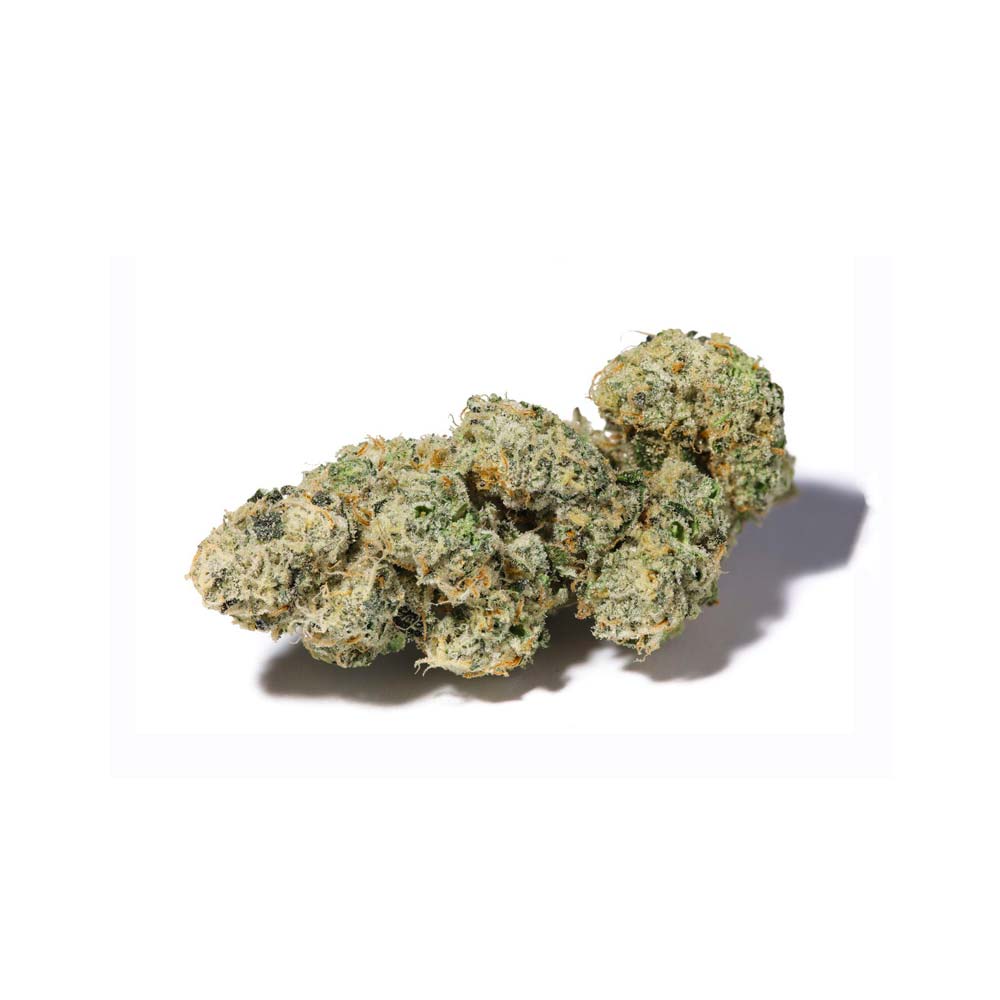
Debunking 15 Common Myths About Medical Cannabis in the UK
Myth: Cannabis is a gateway drug
The Truth
Decades of research have found no causal link between cannabis use and progression to harder drugs. The “gateway theory” has been largely discredited by scientific evidence. Most people who use cannabis do not go on to use other drugs. Medical cannabis patients use it under controlled conditions with proper medical oversight, making the gateway argument even less applicable to prescribed treatment.
Myth: You have to smoke cannabis
The Truth
Medical cannabis in the UK comes in multiple forms including oils, capsules, sprays, and dried flowers for vaporisation. Smoking is never recommended for medical use. Most patients use oral forms like oils or capsules, which provide better dosage control and are more suitable for medical treatment. Vaporisation is a recognised delivery method that avoids combustion.
Myth: It will get you high
The Truth
Medical cannabis prescriptions are carefully calibrated to provide therapeutic benefits without intoxication. Doses are controlled to minimise or eliminate psychoactive effects. Many medical cannabis products contain predominantly CBD with minimal THC, producing no high whatsoever. Even when THC is present, medical dosing does not produce the recreational high associated with illicit cannabis use.
Myth: It’s only suitable for terminal illness
The Truth
Medical cannabis in the UK is now prescribed for various conditions including multiple sclerosis, chronic pain, epilepsy, and chemotherapy-induced nausea. Whilst specialist doctors must assess suitability, it is not limited to end-of-life care. NICE guidance recognises its potential for multiple conditions where conventional treatments have proven ineffective.
Myth: The NHS will prescribe it for free
The Truth
Whilst medical cannabis has been legal for NHS prescription since 2018, very few NHS trusts currently prescribe it due to funding constraints and risk aversion. Most patients obtain prescriptions privately through specialised clinics, which is considerably expensive. This remains a significant barrier to access despite its legal status.
Myth: It’s addictive like opioids
The Truth
Cannabis has minimal addiction potential compared to opioids, alcohol, or tobacco. Whilst psychological dependence is possible with heavy use, physical dependence is rare and withdrawal symptoms are minimal compared to other medications. Medical cannabis use under professional supervision shows very low rates of problematic use.
Myth: CBD does everything THC does
The Truth
CBD and THC have distinct pharmacological profiles and different therapeutic applications. Whilst CBD is useful for certain conditions, THC is effective for specific symptoms like pain and spasticity that CBD alone may not address. Many patients benefit from specific ratios of both compounds rather than CBD exclusively.
Myth: Higher THC content always means better results
The Truth
Higher THC does not necessarily produce better medical outcomes. Optimal therapeutic results depend on individual patient needs and the specific condition being treated. For many conditions, lower THC combined with CBD provides superior results with fewer side effects. Dosage is carefully tailored during medical assessment.
Myth: You need a GP’s referral to access medical cannabis
The Truth
Whilst GPs can provide referrals, many patients access medical cannabis specialists directly through private clinics without involving their GP. However, informing your GP is advisable for safety and medication interaction monitoring. GPs cannot be penalised for providing referrals.
Myth: Medical cannabis is illegal in the UK
The Truth
Medical cannabis has been legal for prescription in the UK since November 2018 when it was reclassified. It can be lawfully prescribed by specialist doctors. Possession without a valid prescription remains illegal, but authorised medical use is entirely legal and protected.
Myth: There is no real scientific evidence supporting it
The Truth
Extensive clinical evidence supports medical cannabis for specific conditions. NICE has reviewed the evidence and recognised its therapeutic potential. Hundreds of peer-reviewed studies demonstrate efficacy for multiple sclerosis spasticity, chemotherapy-induced nausea, and chronic pain. Research continues to expand our understanding.
Myth: Police will arrest you if they see your prescription medicine
The Truth
A valid medical cannabis prescription is a legal defence against prosecution. If stopped by police, your prescription protects you. Possession of medical cannabis under prescription is lawful. Keeping your prescription paperwork with your medication provides clear evidence of legal authorisation.
</div
Further Reading
- How to Make Cannabis Tea UK — Simple Recipe Guide
- Bruce Banner Strain UK: Potent Hybrid Medical Cannabis Guide