
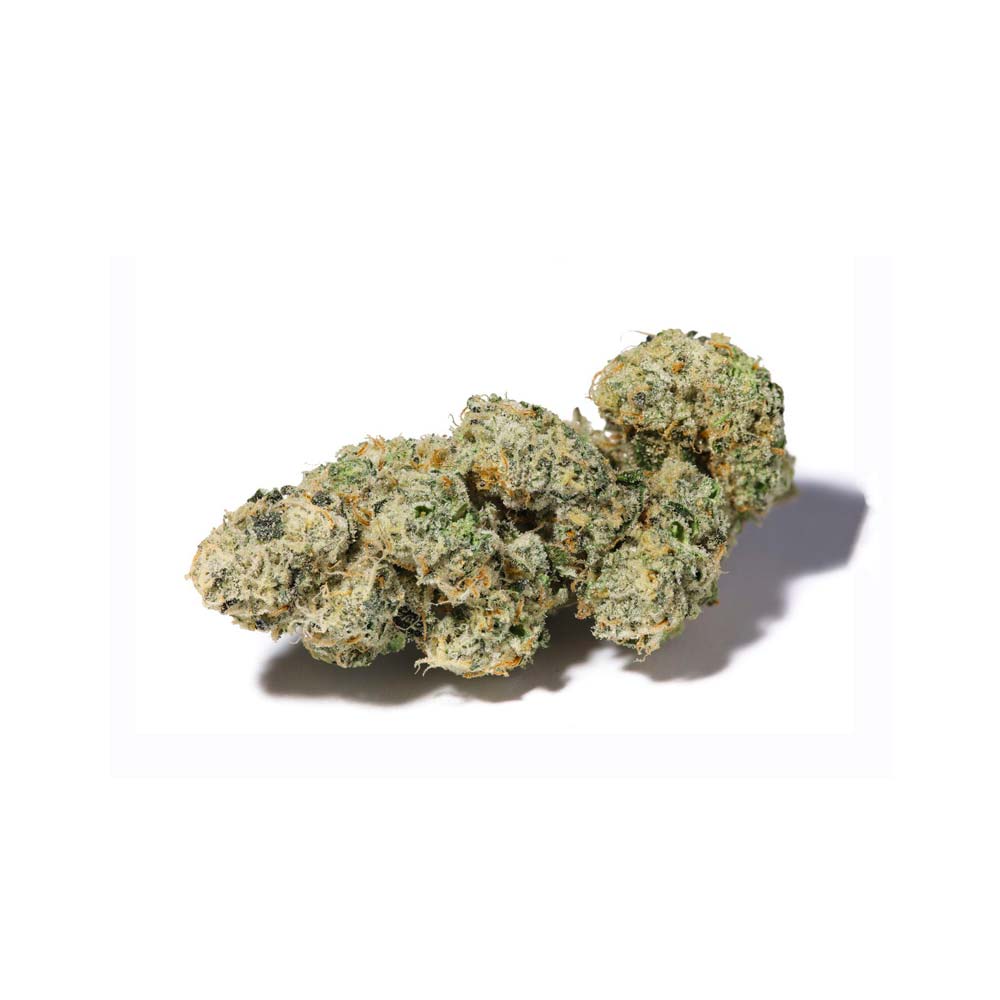
UK Medical Cannabis Supply Chain
The medical cannabis supply chain in the United Kingdom represents a complex network of licensed cultivators, testing facilities, importers, and registered pharmacies working together to deliver cannabis-based products for medicinal purposes to eligible patients. Understanding how this supply chain operates is essential for patients, healthcare providers, and those interested in the regulation of medical cannabis in the UK.
Cultivation: Domestic Production
The foundation of the UK medical cannabis supply chain begins with cultivation. The UK has established a small but growing domestic cannabis cultivation sector, with licensed producers operating under strict regulations from the Home Office and the UK Medicines and Healthcare products Regulatory Agency (MHRA). These licensed cultivators grow cannabis plants in controlled environments, adhering to Good Manufacturing Practice (GMP) standards. Currently, only a handful of licensed producers operate in the UK, including companies such as Grow Pharma and British Cannabis. These facilities employ advanced cultivation techniques to ensure consistent quality, potency, and safety of the raw plant material destined for medicinal use.
Domestic cultivation provides several advantages, including traceability, quality control, and reduced supply chain risks. However, the limited number of licensed producers means that the UK cannot yet meet all domestic demand independently.
International Imports
To supplement domestic production and meet patient demand, the UK relies significantly on imported cannabis products and raw materials. These imports come from licensed producers in countries such as Canada, the Netherlands, Israel, and other nations with established medical cannabis programmes. Import licences are carefully controlled by the Home Office, and all imported products must comply with UK quality and safety standards.
Importers play a critical role in the supply chain, handling documentation, customs clearance, and compliance verification. They ensure that imported cannabis products meet MHRA standards and relevant regulations before distribution to the next stage of the supply chain. This international dimension allows UK patients access to a broader range of products and formulations than domestic cultivation alone could provide.
Testing and Quality Assurance
Before cannabis products reach patients, they must undergo rigorous testing at accredited laboratories. These facilities conduct comprehensive analyses to verify potency, identify contaminants such as pesticides and heavy metals, and confirm the absence of harmful microorganisms. Testing labs operate to ISO 17025 standards and work with both domestic and imported products.
Quality assurance testing is non-negotiable in the medical cannabis supply chain. Each batch must be tested for cannabinoid content (CBD, THC, and other compounds), terpene profiles, and safety parameters. Only products that meet stringent criteria proceed to the next stage. This rigorous approach protects patient safety and ensures consistency across different batches and suppliers.
Licensed Pharmacy Distribution
Tested and approved cannabis products then move to licensed pharmacies authorised to dispense medical cannabis. These pharmacies operate under MHRA supervision and must maintain secure storage facilities with proper tracking systems. Pharmacy staff require training in medical cannabis products, dosing, and patient counselling to ensure appropriate dispensing.
In the UK, medical cannabis cannot be obtained through standard NHS prescriptions at most community pharmacies. Instead, patients typically receive products through specialist pharmacies that work with private consultants or NHS clinicians who have prescribed medical cannabis. These pharmacies handle preparation, packaging, and labelling according to individual patient prescriptions.
Patient Delivery and Access
The final stage of the supply chain involves delivery to patients. Licensed pharmacies coordinate secure delivery services, often using tracked courier systems to ensure safe transport and maintain the chain of custody. Patients may receive their medication via home delivery or collect from the pharmacy in person, depending on the arrangement with their healthcare provider and pharmacy.
Patient access remains a significant consideration in the UK supply chain. While medical cannabis has been legal for prescription since 2018, NHS availability remains limited, and most patients access products through private routes. Specialist telehealth clinics and cannabis-focused private clinics connect patients with qualified consultants who can prescribe appropriate products.
Regulatory Oversight and Future Development
Throughout every stage of the supply chain, regulatory bodies including the Home Office, MHRA, and the General Pharmaceutical Council maintain oversight. This multi-layered approach ensures compliance with legal requirements, quality standards, and professional conduct expectations.
As the medical cannabis market matures and demand increases, the UK supply chain continues to evolve. Expansion of domestic cultivation capacity, improved import procedures, and enhanced NHS integration represent ongoing developments that will shape the future accessibility and affordability of medical cannabis for UK patients.
Further Reading
- Medical Cannabis on NHS UK — Why You Cannot Get It, What to Do
- Monthly Cost of Medical Cannabis UK: Real Patient Figures