
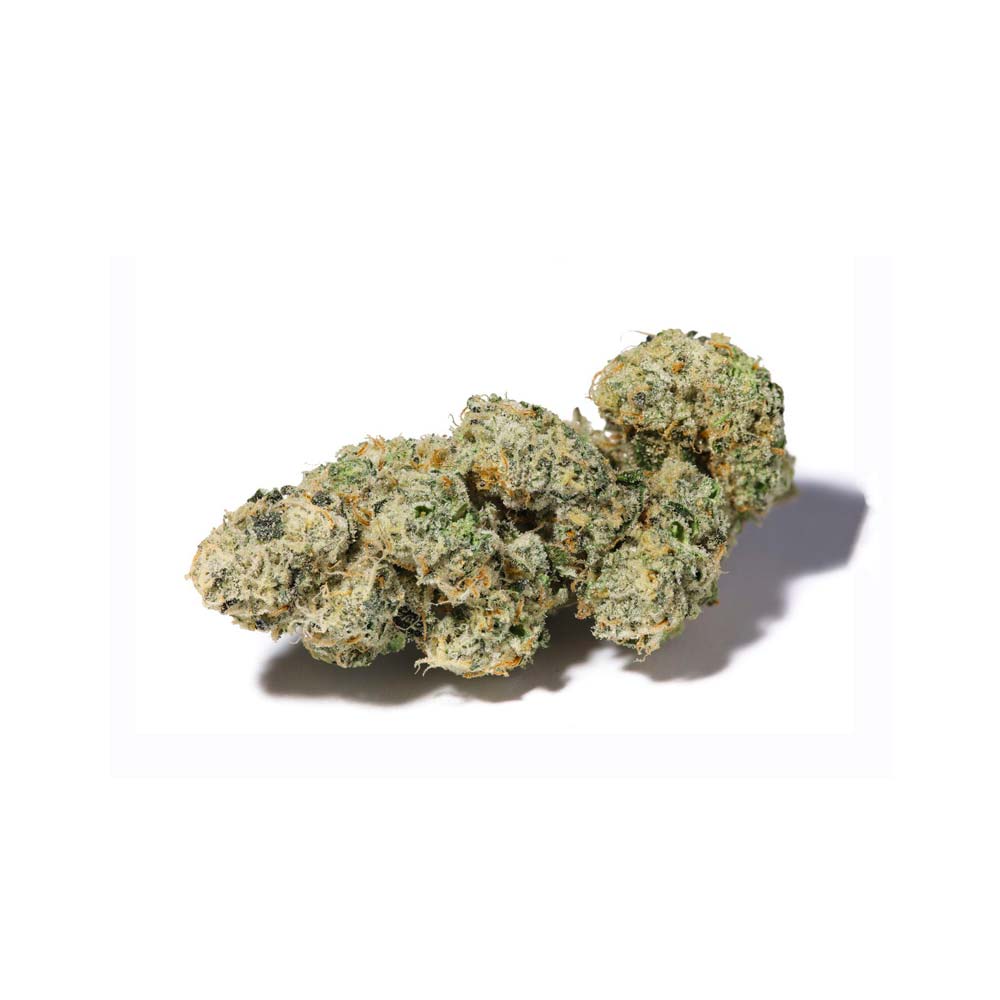
THC vs CBD UK: Understanding the Key Differences, Effects, and Medical Applications
Cannabis contains over 100 different chemical compounds, but two dominate discussions in the UK: THC (tetrahydrocannabinol) and CBD (cannabidiol). Understanding the differences between these cannabinoids is essential for anyone interested in cannabis for medical, recreational, or educational purposes. This guide explores how THC and CBD differ, their respective effects, medical uses, and the complex legal landscape surrounding them in the United Kingdom.
What Are THC and CBD?
THC and CBD are both naturally occurring cannabinoids found in the cannabis plant. Despite their shared origin, they have fundamentally different effects on the human body and mind. THC is the primary psychoactive compound responsible for the “high” associated with cannabis, whilst CBD is non-intoxicating and doesn’t produce euphoria.
Both cannabinoids interact with the body’s endocannabinoid system, a complex cell-signalling mechanism involved in regulating sleep, mood, pain perception, and immune function. However, they bind to cannabinoid receptors differently, leading to distinct therapeutic and recreational profiles.
The Molecular and Chemical Differences
Structurally, THC and CBD are isomers—they contain the same number of atoms but arranged differently. This subtle distinction creates vastly different effects. THC has a high affinity for CB1 receptors in the brain, producing psychoactive effects. CBD, conversely, has weak CB1 receptor affinity but interacts with numerous other receptor systems, including serotonin and vanilloid receptors.
The ratio of THC to CBD varies significantly among cannabis strains. Modern cannabis bred for recreational use often contains higher THC levels, sometimes exceeding 20%, whilst medicinal strains may be balanced or CBD-dominant. Hemp-derived products in the UK typically contain less than 0.2% THC, the legal threshold, and are often CBD-rich.
Psychoactive Effects: THC vs CBD
THC is renowned for producing psychoactive effects—the “high” that recreational users seek and some medical patients wish to avoid. These effects include euphoria, altered perception of time, increased creativity, and heightened sensory awareness. However, THC can also trigger anxiety, paranoia, and cognitive impairment, particularly in higher doses or in vulnerable individuals.
CBD produces no intoxicating effects. Users remain clear-headed and functional after consuming CBD products. Instead of euphoria, many users report feelings of calm and relaxation. This makes CBD attractive for those seeking therapeutic benefits without psychoactivity. Recent surveys suggest that approximately 43% of UK adults would consider trying CBD for health reasons, citing its non-intoxicating nature as a key factor.
Medical Applications in the UK
The medical landscape for cannabis in the UK has evolved significantly. In 2018, the government reclassified cannabis to Schedule 2, permitting specialist doctors to prescribe cannabis-based medicinal products. However, access remains limited and highly regulated.
THC-based medicines: Licensed products like Sativex (nabiximols) contain both THC and CBD and are prescribed primarily for multiple sclerosis-related spasticity. Research suggests THC may help with chronic pain, chemotherapy-induced nausea, and appetite stimulation in wasting conditions.
CBD-based medicines: Epidyolex, a purified CBD product, is approved for specific childhood epilepsies—Lennox-Gastaut syndrome and Dravet syndrome. Clinical trials demonstrated CBD reduced seizure frequency by approximately 40% in some patients. Beyond epilepsy, research explores CBD’s potential for anxiety disorders, insomnia, and inflammatory conditions, though more human trials are needed.
Many UK patients self-medicate with CBD products purchased from high street shops and online retailers, seeking relief from anxiety, chronic pain, and sleep disorders. The UK CBD market is estimated at £690 million annually as of 2026, reflecting growing consumer interest.
Side Effects and Safety Considerations
THC carries risks that should not be minimised. Regular consumption, particularly during adolescence, may impact cognitive development, memory, and educational attainment. High-dose THC use increases anxiety and psychosis risk in genetically predisposed individuals. Approximately 9% of cannabis users develop cannabis use disorder, with higher rates among those starting in their teens.
CBD is generally well-tolerated with minimal side effects. Common reports include fatigue, diarrhoea, and appetite changes—typically mild and transient. CBD can interact with medications metabolised by the cytochrome P450 enzyme system, including blood thinners and anti-seizure drugs. Anyone taking prescribed medications should consult their GP before using CBD.
Legal Status in the United Kingdom
This is where confusion often arises. Cannabis remains a Class B controlled drug in the UK, and possession carries serious penalties. However, CBD products derived from legal hemp (containing less than 0.2% THC) are not controlled substances and can be legally purchased.
The distinction matters: high-THC cannabis is illegal for recreational use, whilst prescription cannabis-based medicines require specialist medical authorisation. CBD products occupy a legal grey area—they’re not controlled as medicines unless making medical claims, yet must comply with food and cosmetics regulations.
In 2020, a government review acknowledged cannabis’s medical potential but stopped short of full legalisation. Access through the NHS remains extremely limited, with few clinicians qualified to prescribe. Most UK patients access cannabis only through private clinics or purchase CBD products independently.
Choosing Between THC and CBD Products
For UK consumers, the choice depends on individual circumstances. Those seeking therapeutic benefits without intoxication should consider CBD products. Quality matters—purchase from reputable suppliers offering third-party testing certificates confirming THC content below 0.2% and CBD levels as advertised.
If you have a medical condition potentially benefiting from cannabis, consult your GP about prescription options. Private best UK cannabis clinics now operate throughout the UK, offering consultations with specialists who can prescribe appropriately.
Recreational users must understand that possession of high-THC cannabis remains illegal in the UK, despite decriminalisation discussions. The legal and health risks remain significant.
Current Research and Future Outlook
Research into both cannabinoids continues expanding. UK universities conduct studies examining CBD for anxiety, depression, and neurodegenerative diseases. THC research focuses on cancer pain and nausea management. As evidence accumulates, medical access may broaden.
However, UK cannabis policy moves slowly. Whilst Canada, parts of Australia, and several US states have legalised recreational cannabis, the UK maintains strict prohibition, reflecting conservative public health perspectives and political caution.
Conclusion
THC and CBD represent two distinct compounds with different effects, applications, and legal status in the UK. THC produces psychoactive effects sought recreationally but carries health risks; it’s available only through prescription for specific conditions. CBD offers therapeutic potential without intoxication and remains legally accessible through retail channels, though quality and efficacy vary considerably.
Understanding THC vs CBD UK distinctions empowers informed decisions about cannabis use. Whether considering it for medical reasons or general knowledge, recognise that both cannabinoids continue generating legitimate scientific interest, and the regulatory landscape continues evolving.