
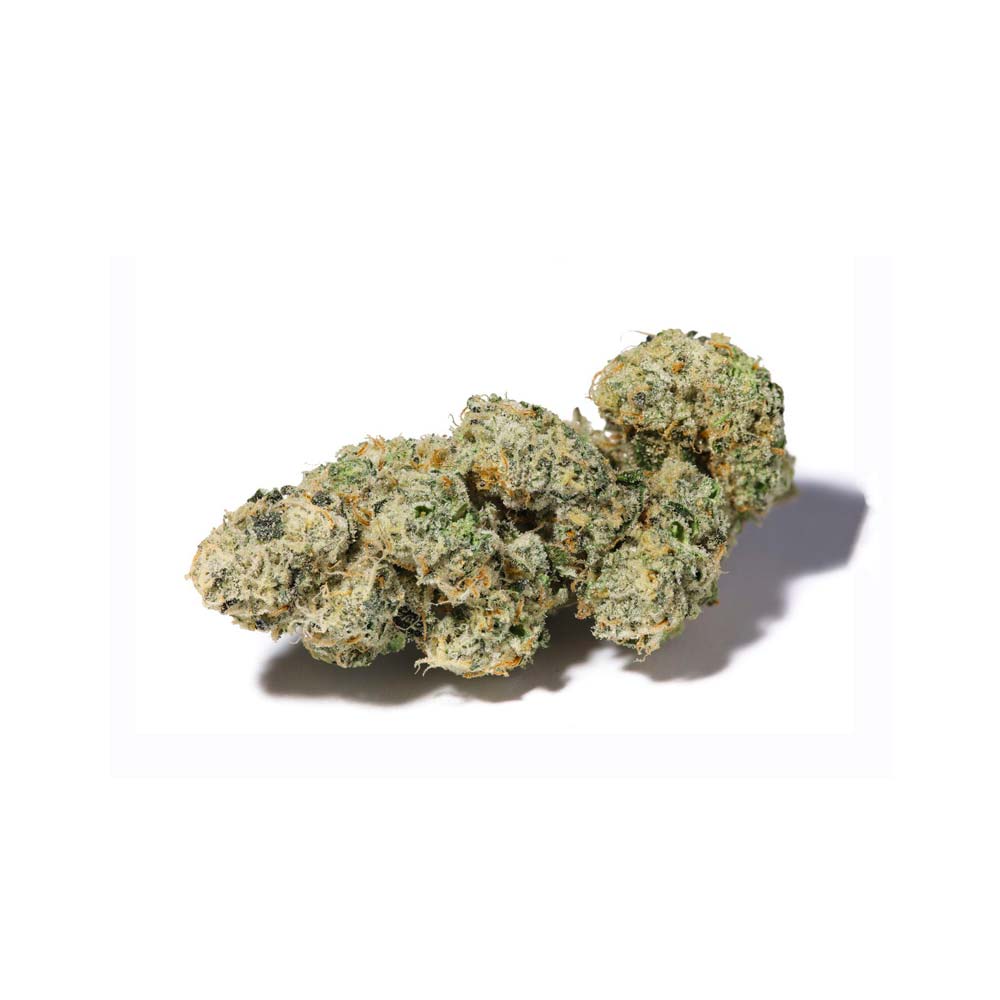
Phytol in Cannabis: Comprehensive Guide for UK Medical Patients
Phytol is an increasingly recognised compound within cannabis and broader plant science that warrants understanding by UK medical patients exploring cannabis-based medicines. This guide provides evidence-based information about phytol, its origins, biological effects, and relevance to medical cannabis treatment in the United Kingdom.
What is Phytol and Where It is Found in Nature
Phytol is a diterpene alcohol—a naturally occurring organic compound—that serves as a direct precursor to chlorophyll, the pigment responsible for the green colour in plants. When chlorophyll molecules break down, phytol is released as a byproduct. This process occurs universally across plants during aging, processing, and drying cycles.
Beyond cannabis, phytol appears in numerous plant sources commonly found in human diets and traditional medicines. Green tea is notably rich in phytol, particularly when leaves are freshly processed. Cruciferous vegetables including broccoli, kale, and Brussels sprouts contain measurable quantities of phytol. Spinach, lettuce, and other leafy greens similarly contain this compound. Other significant sources include parsley, algae species, and certain medicinal plants used in traditional medicine systems worldwide.
In cannabis specifically, phytol concentrations increase significantly during the drying and curing process as chlorophyll degrades. This means that properly cured cannabis flowers typically contain more phytol than freshly harvested material. The compound’s presence is influenced by the plant’s growth conditions, maturity at harvest, and post-harvest handling techniques.
Biological Effects: Research and Scientific Context
While phytol has received less research attention than major cannabinoids like THC and CBD, emerging scientific evidence indicates multiple biological activities relevant to medical applications. Understanding these mechanisms helps UK medical patients appreciate how phytol might contribute to therapeutic outcomes when using cannabis-based medicines.
The GABA system represents one of the primary targets through which phytol appears to exert its effects. The GABA (gamma-aminobutyric acid) system functions as the brain’s primary inhibitory neurotransmitter pathway, essentially “calming” neural activity. Preliminary research suggests phytol may enhance GABA receptor signalling, potentially amplifying the naturally calming function of this system. This mechanism aligns with observed anxiolytic and sedative properties documented in preliminary studies.
Anxiolytic effects—the reduction of anxiety—have been demonstrated in animal models following phytol administration. These anxiolytic properties appear to operate through the GABA system modulation mentioned above, suggesting potential therapeutic value for patients experiencing anxiety disorders. The effect appears distinct from THC-driven anxiety reduction, offering an alternative mechanistic pathway.
Sedative properties have also been observed, particularly in higher doses, suggesting phytol may contribute to sleep onset and sleep quality. For UK medical patients managing insomnia and other sleep disorders, this property represents significant clinical value, particularly when combined with other therapeutic cannabinoids.
Antioxidant activity represents another important biological property. Phytol demonstrates capacity to neutralise free radicals and reduce oxidative stress in cellular models. This antioxidant activity may contribute to neuroprotection and could support broader health outcomes, though human studies remain limited.
Emerging research has investigated anticonvulsant properties, potentially relevant for UK medical patients with seizure conditions. While evidence remains preliminary and primarily derived from cellular and animal models, the compound’s interaction with GABAergic pathways—which are fundamentally important in seizure control—suggests plausible therapeutic mechanisms worthy of further investigation.
Cannabis Strains High in Phytol
Understanding cannabis strains with elevated phytol content helps medical patients identify products potentially aligned with their therapeutic goals. Several established cannabis strains are recognised for relatively high phytol concentrations.
Sour Diesel is a renowned sativa-dominant hybrid known for significant phytol content alongside its distinctive pungent profile. This strain is often selected by patients seeking uplifting effects combined with the anxiolytic benefits phytol may provide.
Cheese, a popular UK-cultivated strain, contains substantial phytol levels and is frequently recommended for patients managing anxiety and stress-related conditions. The strain’s distinctive aroma correlates with its terpene and phytol profile.
Blue Dream represents another hybrid strain recognised for notable phytol presence. This strain’s popularity among medical patients reflects its balanced cannabinoid and terpene profile combined with phytol contributions.
Strains specifically cultivated to retain high chlorophyll content—such as certain fresh-frozen or liquid cannabis extracts—naturally contain elevated phytol levels. Patients interested in maximising phytol intake should discuss strain selection with their prescribing clinician.
Medical Applications for UK Patients
The relevance of phytol to medical cannabis UK prescribing emerges through several significant therapeutic applications. As medical cannabis UK becomes increasingly established within the NHS and private medical practice, understanding phytol’s contributions to clinical outcomes becomes essential for patients and healthcare professionals alike.
Anxiety disorders represent a primary indication where phytol shows therapeutic promise. UK medical patients experiencing anxiety symptoms—including generalised anxiety disorder, social anxiety, and anxiety-related conditions—may benefit from cannabis strains with meaningful phytol content. The GABA-mediated mechanism provides a complementary pathway to cannabinoid-driven anxiety reduction.
Sleep disorders and insomnia management is another significant application. Many UK medical patients struggle with sleep despite conventional treatments. Phytol’s sedative properties, particularly in carefully dosed cannabis formulations, may facilitate sleep onset and improve sleep architecture. Patients often report improved sleep quality when using phytol-containing products compared to isolated THC or CBD preparations.
Seizure conditions represent an emerging application area. Patients with drug-resistant epilepsy and related seizure disorders under medical cannabis UK prescriptions may benefit from strains containing meaningful phytol levels. While evidence remains preliminary, the compound’s interactions with GABAergic systems—critical for seizure control—warrant clinical consideration. Any patient considering phytol-containing cannabis for seizure management must work closely with their neurologist and prescribing best UK cannabis clinicsian.
The prescription context in the United Kingdom requires that all cannabis-based medicines, including those selected for phytol content, be prescribed by registered medical practitioners under appropriate clinical governance. Patients should discuss phytol-containing strains with their best UK cannabis clinics to ensure alignment with their individual medical conditions, treatment objectives, and safety profile.
Conclusion
Phytol represents a significant though underappreciated compound within cannabis that offers distinct therapeutic potential for UK medical patients. Its presence across multiple plant foods, combined with emerging evidence for anxiolytic, sedative, antioxidant, and potentially anticonvulsant properties, makes phytol a relevant consideration within medical cannabis treatment planning. UK medical patients seeking to optimise their cannabis-based medicine selection should discuss phytol content and relevant strains with their prescribing clinician.