
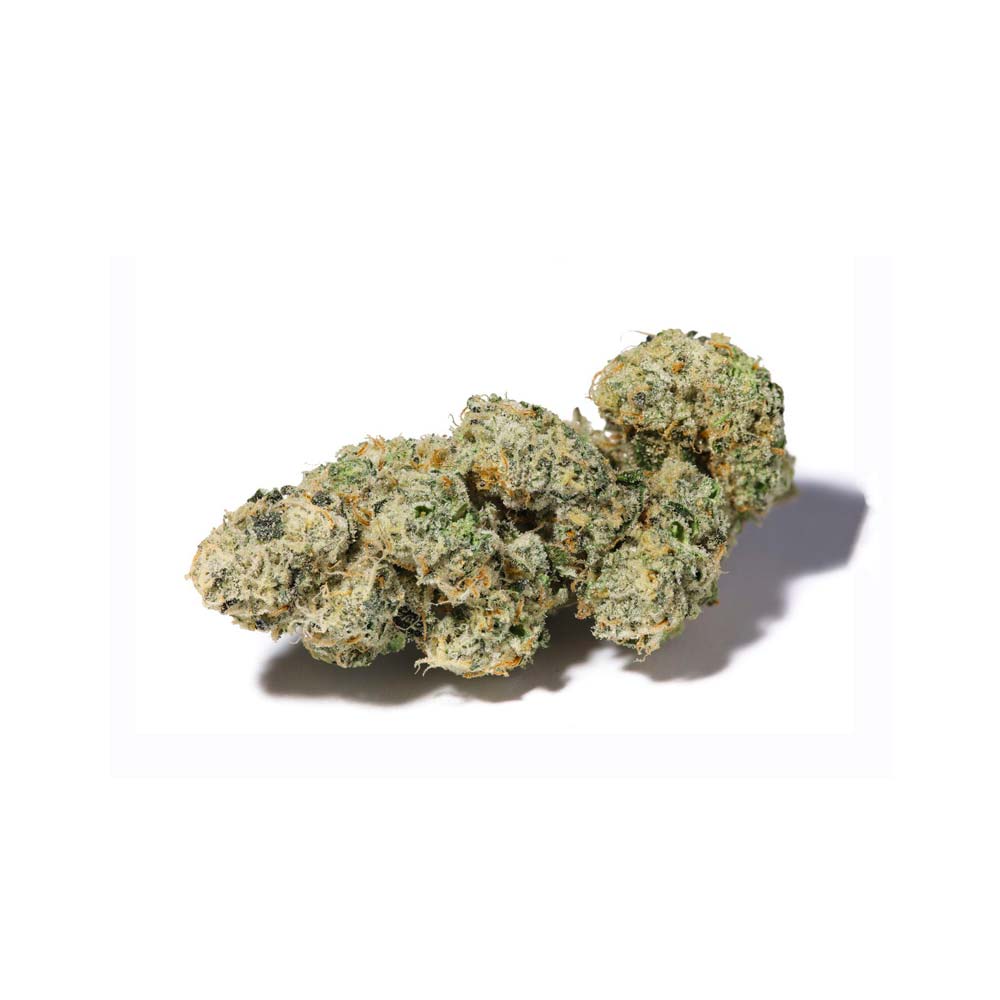
Cannabis Access for UK Chronic Pain Patients: A Comprehensive Guide
If you’re living with chronic pain in the United Kingdom, you may have heard about cannabis as a potential treatment option. However, navigating the complex landscape of cannabis access through the NHS and private sector can feel overwhelming. This guide aims to clarify your options and help you make informed decisions about accessing cannabis for pain management.
NHS Pain Clinics and Cannabis Prescription
The reality is that cannabis prescription through NHS pain clinics remains exceptionally rare. Whilst cannabis-based medicinal products became legal in the UK in 2018, they are not routinely prescribed on the NHS. Most pain consultants will not proactively offer cannabis as a treatment option, largely due to limited commissioning, bureaucratic restrictions, and concerns about evidence quality. Waiting lists are lengthy, and only specialised cannabis clinics—not general pain services—can prescribe cannabis products.
Your local NHS pain clinic is unlikely to have the expertise or authorisation to prescribe cannabis, even if they recognise its potential benefits for your condition. This remains true regardless of how severe your pain is or how many conventional treatments you’ve tried.
How to Ask Your Pain Consultant About Cannabis
If you wish to explore cannabis as a treatment option, approaching your pain consultant thoughtfully increases the chances of a productive discussion. Schedule a dedicated appointment rather than raising it briefly during a routine visit. Come prepared with reliable evidence, such as peer-reviewed research from reputable journals or information from organisations like the British Pain Society.
Frame your request professionally: explain that you’re interested in exploring all available evidence-based options and ask whether they believe cannabis might be appropriate for your specific condition. Be honest about why you’re considering it—whether you’re experiencing side effects from current medications, inadequate pain control, or simply wish to explore alternatives.
Your consultant may decline to prescribe cannabis but might still provide a referral to a specialist cannabis clinic if they believe you meet the criteria. Even if they’re sceptical, maintaining a respectful dialogue keeps the door open for future discussions as the evidence base evolves.
Obtaining an NHS Referral to a Cannabis Specialist
NHS cannabis clinics operate under strict criteria. You typically need to have tried at least two conventional treatments without adequate relief. Your GP or pain consultant can refer you, though many remain unfamiliar with the referral process. You may need to persist and explicitly request a referral if your consultant is reluctant.
Currently, only a handful of NHS cannabis clinics operate across England, with availability varying by region. The referral process is lengthy, and waiting times can stretch to many months. Even after assessment, approval is not guaranteed—clinicians must deem cannabis medically appropriate for your condition and circumstances.
Self-Referral to Private Cannabis Clinics
Private cannabis clinics offer a faster route to assessment and prescription. You can self-refer without requiring a GP or consultant recommendation. Many private clinics offer initial consultations via video call, making access more convenient. The process typically takes 2-4 weeks from initial consultation to prescription, compared to months on the NHS waiting list.
Private clinics employ experienced cannabis medicine specialists who understand pain conditions and cannabinoid therapeutics. They can provide detailed discussions about dosing, administration methods, and monitoring. However, private treatment comes at significant personal cost.
Chronic Pain Conditions That May Qualify
Cannabis may be considered for various chronic pain conditions, including neuropathic pain, fibromyalgia, multiple sclerosis-related pain, cancer pain, rheumatoid arthritis, and chronic migraines. Crucially, your pain must be severe, inadequately controlled by conventional treatments, and significantly impact quality of life. Cannabis is not typically offered for mild or moderate pain when standard options remain available.
The medical consensus regarding which conditions respond best to cannabis continues to evolve, but pain specialists increasingly acknowledge potential benefits for specific patient groups, particularly those with neuropathic pain or those experiencing intolerable side effects from opioid medications.
Evidence That Pain Specialists Recognise
Pain specialists are most convinced by randomised controlled trials and systematic reviews. Evidence supporting cannabis for chronic pain exists but remains limited compared to conventional pain medications. The British Pain Society acknowledges emerging evidence whilst noting the need for further research. Specialists pay particular attention to evidence regarding specific cannabinoid ratios and their effectiveness for particular pain types.
Anecdotal evidence and patient testimonials, whilst valuable for personal motivation, carry less weight in clinical decision-making than robust clinical trials. This evidence gap partly explains cautious NHS approaches to prescription.
Cost Comparison: Private Cannabis vs NHS Pain Treatment
Private cannabis treatment typically costs £150-£300 for an initial consultation and £100-£200 monthly for prescriptions, depending on required dosages. Some private clinics offer ongoing monitoring packages. Conversely, conventional NHS pain treatments—including medications, physiotherapy, and psychological support—are free at point of use.
The financial barrier represents a significant disadvantage of private cannabis access. However, some patients find the costs worthwhile if conventional treatments have failed or caused intolerable side effects.
Switching from Opioids to Cannabis Guidance
If you’re currently taking opioid medications, any switch to cannabis must be managed carefully with medical supervision. Never discontinue opioids abruptly, as this risks withdrawal symptoms and pain flare-ups. A responsible medical professional will implement a gradual reduction schedule whilst simultaneously introducing cannabis.
This transition typically unfolds over weeks or months, with regular monitoring to ensure adequate pain control. Your healthcare provider will adjust cannabis dosages and opioid tapering based on your response, aiming to achieve optimal pain management with reduced opioid dependency.
Combining cannabis with opioids requires careful consideration, as interactions may occur. Always inform healthcare providers about all medications and supplements you’re taking.
Further Reading
- Pain Scoring for Medical Cannabis UK: How Clinics Measure Your Pain
- How many grams of cannabis can a doctor prescribe?
- Medical Cannabis UK Guide