
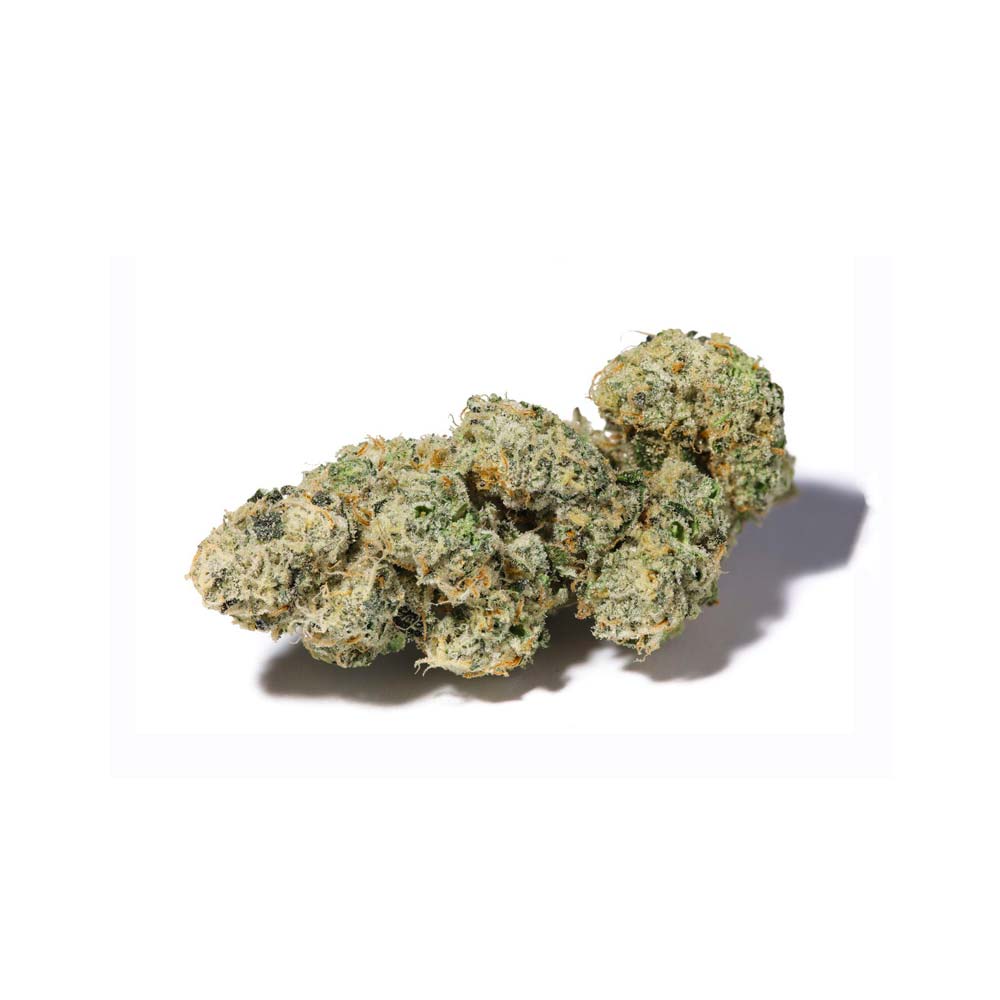
Medical Cannabis for Social Anxiety Disorder in the UK
Social anxiety disorder affects approximately 13% of the UK population, yet remains one of the most undertreated mental health conditions. Many sufferers endure years of psychological distress without seeking professional help, often due to stigma, limited awareness of available treatments, or inadequate access to effective interventions. Medical cannabis has emerged as a potentially valuable therapeutic option, offering relief where conventional treatments have failed. Understanding the evidence, risks, and practical applications of cannabis-based medicines for social anxiety is essential for both patients and healthcare professionals navigating this evolving landscape.
The Scale of Untreated Social Anxiety
With one in eight people experiencing social anxiety at some point in their lives, the condition represents a significant public health challenge. Yet social anxiety remains profoundly undertreated across the UK. Many individuals suffer in silence, avoiding social situations, professional development, and relationships. The reasons for undertreatment are multifaceted: limited NHS resources result in lengthy waiting lists, psychotherapy is often unavailable, and traditional medications such as SSRIs can take weeks to become effective. Furthermore, social anxiety carries persistent misconceptions that discourage sufferers from seeking help, creating a cycle of isolation and deteriorating mental health.
CBD and the Evidence Base
Cannabidiol (CBD) has garnered significant scientific attention for its anxiolytic properties. A landmark fMRI study conducted by Oxford University researchers demonstrated that CBD significantly reduces amygdala reactivity—the brain region responsible for processing fear and threat responses. When individuals with social anxiety were exposed to challenging social scenarios, those receiving CBD exhibited substantially diminished amygdala activation compared to controls. This neurobiological finding provides concrete evidence that CBD operates through measurable changes in brain function, rather than placebo effects alone.
Additional research indicates that CBD works through multiple mechanisms, including serotonin receptor modulation and GABA system enhancement, both central to anxiety reduction. The evidence suggests CBD may be particularly beneficial for individuals who experience heightened physiological arousal in social situations—the racing heart, trembling, and overwhelming dread that characterise severe social anxiety.
The THC Risk Factor
Whilst CBD shows promise, tetrahydrocannabinol (THC) presents considerable risks for individuals with social anxiety. THC’s psychoactive properties can paradoxically worsen anxiety symptoms, triggering paranoia, hypervigilance, and acute panic in susceptible individuals. For those with underlying social anxiety, THC may amplify existing fears about social judgment and surveillance, making it contraindicated. Patients considering medical cannabis for social anxiety should explicitly avoid high-THC formulations and instead prioritise products with minimal THC content or, ideally, THC-free CBD isolates.
Optimal Product Formulations
The most appropriate cannabis-based medicines for social anxiety contain high CBD concentrations with negligible THC levels. CBD oil, available in various strengths, offers flexible dosing and predictable absorption. Full-spectrum CBD products that include minor cannabinoids (excluding THC) may provide enhanced therapeutic effects through the entourage effect. Additionally, cannabigerol (CBG), often overlooked, shows emerging promise for anxiety disorders, potentially offering complementary benefits when combined with CBD.
Obtaining a UK Prescription
Since November 2018, cannabis-based medicines have been available on NHS prescription for specific conditions, though social anxiety is not explicitly listed. However, specialist psychiatrists and pain consultants retain prescribing discretion for unlicensed indications when evidence supports potential benefit and conventional treatments have failed. Patients with treatment-resistant social anxiety should consult their GP about specialist referral to clinicians experienced in cannabis-based medicine prescribing. Private clinics also offer cannabis consultations, though this route incurs significant costs.
Combining Medical Cannabis with CBT
Medical cannabis should not replace psychological therapy but complement it. Cognitive behavioural therapy remains the gold standard for social anxiety, and combining CBD-based medicine with structured CBT may yield superior outcomes. CBD potentially reduces anxiety sufficiently to enable patients to engage more effectively in exposure-based therapy—approaching feared social situations that would otherwise feel unbearable. This synergistic approach addresses both neurobiological and cognitive aspects of the disorder, maximising treatment potential.
Conclusion
Medical cannabis, specifically high-CBD formulations, represents a promising avenue for the substantial proportion of socially anxious individuals failed by existing treatments. As research advances and prescribing pathways clarify, cannabis-based medicines may increasingly become an integrated component of UK mental health services, offering hope to those who have suffered too long in isolation.
Further Reading
- Does Cannabis Help Anxiety UK? Guide
- CBD for Anxiety UK – Does It Work?
- Cannabis and Mental Health UK – The Complex Relationship
- Medical Cannabis for Anxiety UK – Full Patient Guide