
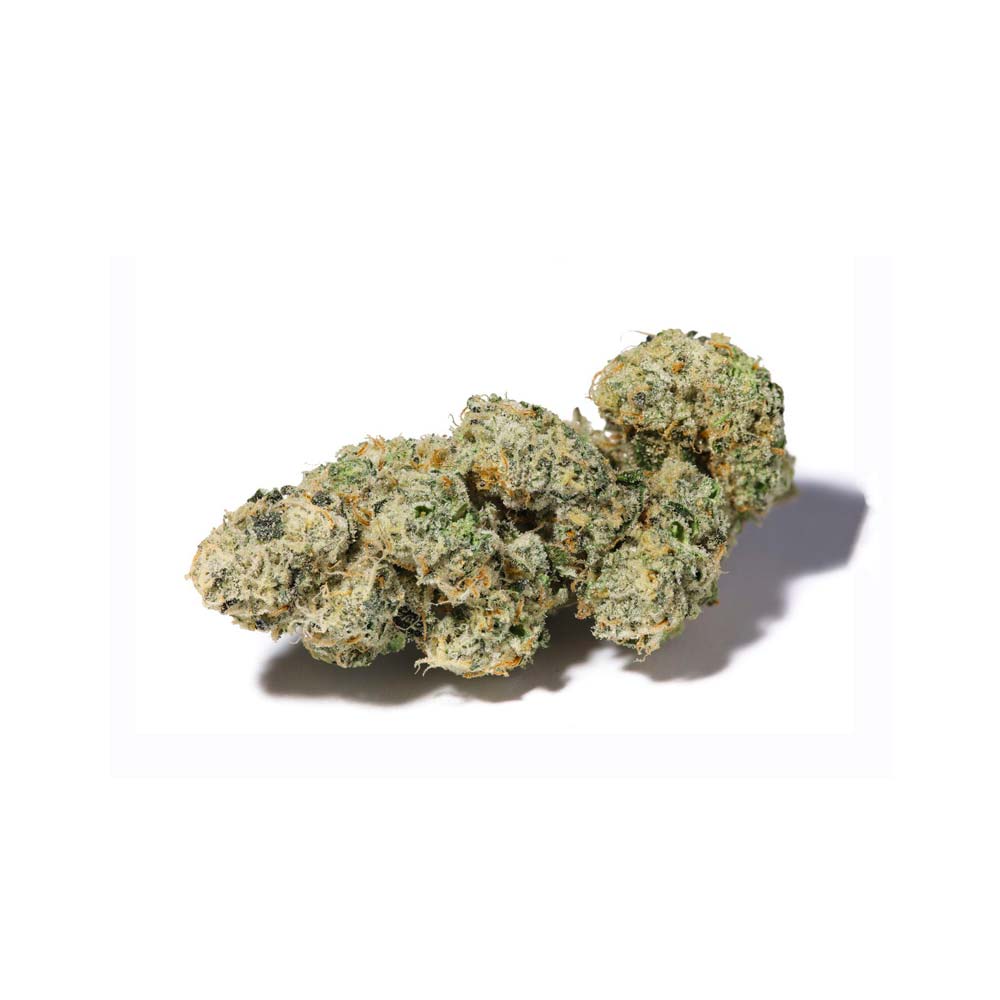
Understanding Glaucoma and Intraocular Pressure
Glaucoma is a serious eye condition characterised by elevated intraocular pressure (IOP), which damages the optic nerve and leads to progressive vision loss. In the UK, glaucoma affects approximately 2% of the population over the age of forty, making it a significant public health concern. The condition is often asymptomatic in its early stages, earning it the sobering nickname “the silent thief of sight.” Intraocular pressure develops when fluid (aqueous humour) within the eye fails to drain properly, creating a build-up of pressure that gradually damages retinal nerve fibres. Managing IOP is central to glaucoma treatment, as reducing pressure can slow or halt disease progression.
Early Cannabis Research in the 1970s
During the 1970s, researchers discovered that cannabis temporarily lowered intraocular pressure in glaucoma patients. These findings generated considerable excitement within the medical community, as the substance appeared to offer a novel therapeutic avenue. Initial studies demonstrated that both smoked cannabis and oral cannabinoids could reduce IOP by approximately 25-30% within hours of administration. This discovery led to some cannabis-derived medications being investigated as potential glaucoma treatments, and the finding was widely publicised in medical journals and popular media. However, despite these promising initial results, cannabis never became an established treatment for glaucoma in any healthcare system, including the NHS.
Why Cannabis Falls Short for Glaucoma Treatment
Although cannabis demonstrably reduces intraocular pressure, practical and clinical limitations prevent its use as a primary glaucoma therapy. Firstly, the pressure-lowering effect is remarkably short-lived, lasting only three to four hours following administration. Glaucoma requires continuous, twenty-four-hour pressure control to protect the optic nerve effectively. Patients would need to dose multiple times daily to maintain therapeutic benefit, which is impractical and raises significant concerns about compliance and treatment consistency.
Secondly, cannabis produces numerous adverse effects that make long-term use problematic. These include impaired cognition, dizziness, fatigue, and mood disturbances. For working-age patients with glaucoma, such effects would substantially impact quality of life and occupational safety. Thirdly, cannabis can elevate heart rate and affect cardiovascular function, potentially causing difficulties for patients with comorbid cardiac conditions. Additionally, the psychoactive properties of cannabis raise concerns about dependency and abuse, particularly regarding long-term medicinal use.
Current Position of the Royal College of Ophthalmologists
The Royal College of Ophthalmologists in the UK does not recommend cannabis or cannabinoid-based medicines as treatments for glaucoma. Their position reflects the weight of clinical evidence, which indicates that superior alternatives exist with better efficacy, safety profiles, and practical administration schedules. The College acknowledges the historical research demonstrating IOP reduction but maintains that the substantial drawbacks outweigh any potential benefits. This position aligns with guidance from major ophthalmological organisations worldwide, including the American Academy of Ophthalmology.
Effective Alternative Treatments for Glaucoma
The UK offers several evidence-based glaucoma treatments far superior to cannabis. Topical medications, including prostaglandin analogues, beta-blockers, and carbonic anhydrase inhibitors, effectively lower IOP with prolonged action and minimal systemic side effects when administered as eye drops. These medications are administered once or twice daily and have been refined over decades of clinical use. Laser treatments, such as selective laser trabeculoplasty, provide additional options for pressure reduction. Surgical interventions, including trabeculectomy and minimally invasive glaucoma surgery, address cases where medications prove insufficient.
Cannabis for Associated Symptoms
Whilst cannabis remains unsuitable for IOP control, it may offer modest symptomatic relief for glaucoma patients suffering related conditions. Some patients experience chronic pain associated with their condition or its treatment, where cannabis might provide analgesia. Additionally, glaucoma-related anxiety and sleep disturbances occasionally improve with carefully managed cannabis use, though evidence remains limited. Any consideration of cannabis for these secondary symptoms should occur only under specialist supervision, with careful weighing of benefits against risks.
Conclusion
Although 1970s research revealed cannabis’s ability to lower intraocular pressure, practical limitations and the availability of superior alternatives mean cannabis has no role in contemporary glaucoma management within the UK. Patients with glaucoma should rely on evidence-based treatments recommended by ophthalmologists to protect their vision effectively.
Further Reading
- CBD Honey UK: Benefits and How to Use It
- Medical Cannabis Londonderry — Clinics, Prescriptions & Costs
- Medical Cannabis Cheltenham — Clinics, Prescriptions & Costs
- Curaleaf UK: Medical Cannabis Products & Clinic Review