
Medical Cannabis for Back Pain in the UK: A Comprehensive Guide
Introduction to Medical Cannabis and Back Pain
Chronic back pain affects millions of people across the UK, significantly impacting quality of life and work productivity. Traditional treatments including physiotherapy, pharmaceutical medications, and injections don’t always provide sufficient relief for all patients. Medical cannabis has emerged as a potential alternative therapy, with growing evidence supporting its use for chronic pain conditions. In 2018, the UK government reclassified cannabis as a Schedule 2 medication, allowing doctors to prescribe it legally for certain conditions, including chronic pain.
The Science Behind Cannabis and Back Pain
Cannabis contains over 100 cannabinoids, with CBD (cannabidiol) and THC (tetrahydrocannabinol) being the most extensively researched. These compounds interact with the body’s endocannabinoid system, which plays a crucial role in pain regulation, inflammation, and muscle tension. When applied to back pain, cannabinoids may reduce inflammatory markers, decrease muscle spasticity, and modulate pain perception at the central nervous system level.
The endocannabinoid system contains receptors (CB1 and CB2) distributed throughout the nervous system and immune tissues. CB1 receptors in the brain and spinal cord are particularly relevant for pain management, whilst CB2 receptors help regulate inflammation. THC primarily binds to CB1 receptors and produces psychoactive effects, whereas CBD has a more subtle interaction with these receptors and lacks significant psychoactive properties.
Clinical Evidence for Chronic Back Pain
Research into medical cannabis for back pain remains relatively limited compared to other cannabis applications, but available studies show promising results. A systematic review published in the Journal of Pain found that cannabis may be effective for chronic non-cancer pain, including musculoskeletal conditions. Multiple trials have demonstrated reductions in pain intensity, improvements in sleep quality, and decreased anxiety in chronic pain patients using cannabis-based products.
The National Academy of Sciences concluded in their 2017 comprehensive review that there is “substantial evidence” that cannabis is effective for chronic pain in adults. However, most studies focus on general chronic pain rather than back pain specifically. The evidence base for cannabis as a back pain treatment is developing, with many clinicians cautiously optimistic about its potential when other treatments have failed.
It’s important to note that whilst anecdotal evidence from patients is considerable, large-scale randomised controlled trials specific to back pain remain limited. This gap in evidence means many doctors still consider cannabis a last-resort option rather than a first-line treatment.
Suitable Cannabis Strains for Back Pain
Medical cannabis products available through NHS prescription in the UK are limited, but several pharmaceutical options exist. The main products include Sativex (nabiximols), Epidyolex (cannabidiol), and Nabilone (synthetic cannabinoid), though only Nabilone has been available longer on the NHS for specific conditions.
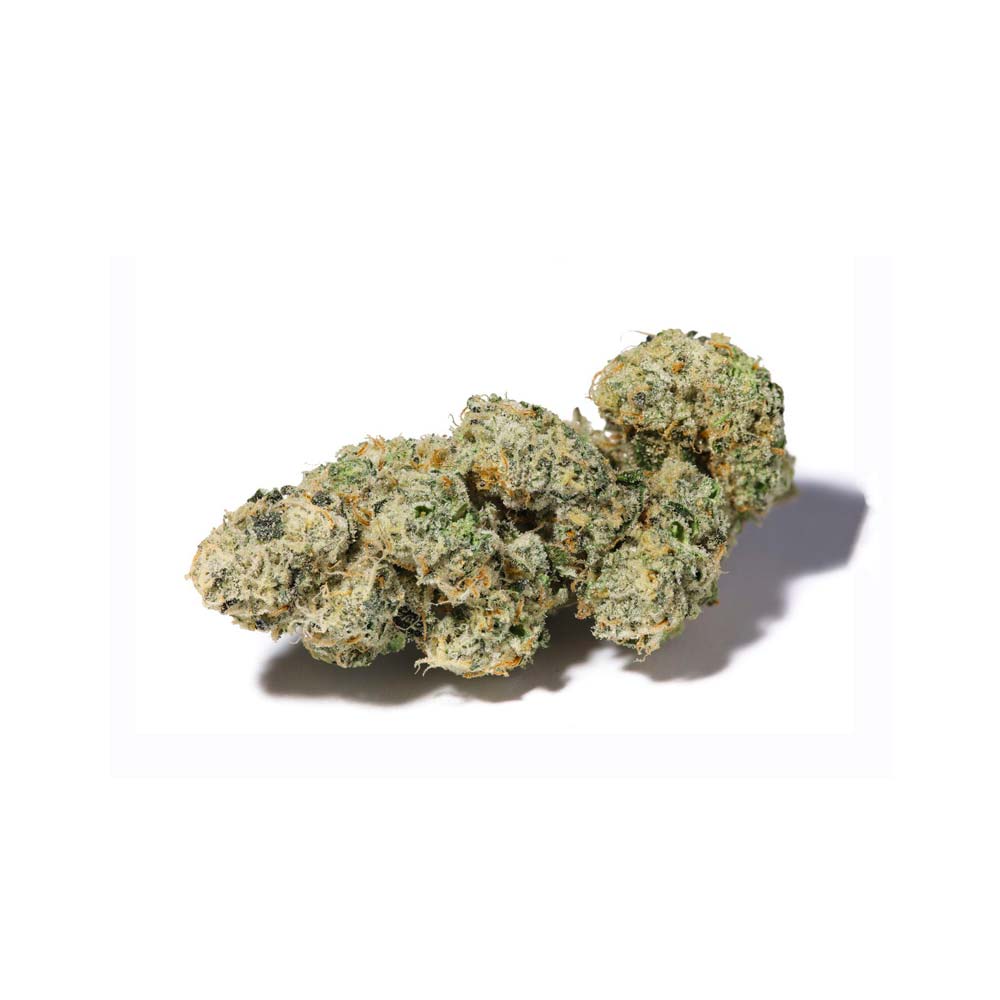
For back pain specifically, products with balanced CBD and THC ratios are often recommended, as this combination may provide both pain relief and anti-inflammatory benefits whilst minimising psychoactive effects. High-CBD strains like Charlotte’s Web and ACDC are popular in best UK cannabis clinics, while strains like OG Kush and Northern Lights—with higher THC content—are sometimes used for their analgesic and muscle-relaxant properties.
However, availability through NHS prescription is severely restricted. Most strains mentioned above are inaccessible through standard NHS channels. Private best UK cannabis clinics offer greater strain variety and may recommend products tailored to individual symptoms. The choice between CBD-dominant and THC-dominant products depends on the patient’s tolerance for psychoactive effects, concurrent medications, and specific symptoms (whether pain, inflammation, or muscle spasticity predominates).
Accessing Medical Cannabis in the UK
Legal access to medical cannabis in the UK is strictly regulated. Since 2018, specialist doctors can prescribe cannabis-based products, but this is limited to specific circumstances where other treatments have failed. Conditions explicitly recognised include epilepsy, multiple sclerosis, and chemotherapy-induced nausea, though chronic pain is considered on a case-by-case basis.
Accessing cannabis through the NHS is extremely difficult for back pain patients. Your GP is unlikely to prescribe it, as most NHS specialists consider it experimental for pain management. Instead, patients typically pursue private consultations with specialist best UK cannabis clinics. These clinics have mushroomed across the UK, offering consultations (often £100-£300) followed by prescriptions issued by registered doctors.
The private route allows faster access and greater product choice but requires substantial out-of-pocket expenditure. Reputable clinics employ proper assessment protocols, medical histories, and ongoing monitoring. Patients must be over 18, have tried conventional treatments, and have documented medical reasons for cannabis use.
Costs and Financial Considerations
Private cannabis consultations typically cost £150-£300 for an initial assessment, with follow-up appointments at £75-£150. Monthly cannabis prescriptions range from £150 to £600 depending on product type and dosage. A patient using moderate doses might expect to spend £200-£400 monthly on medication alone.
Comparing this to other back pain treatments reveals interesting cost-benefit scenarios. Physiotherapy sessions cost £30-£80 each, and most people require 6-12 sessions initially. Spinal injections (facet joint or epidural) cost the NHS £1,000-£3,000 but provide only temporary relief. Prescription NSAIDs cost approximately £4-£10 monthly on the NHS, whilst prescription opioids similarly cost little on prescription but carry serious dependency risks.
Private pain clinics offering nerve blocks, radiofrequency ablation, or other interventions cost £2,000-£5,000 per procedure. Surgery for back pain can exceed £10,000-£20,000 privately. From a purely financial perspective, cannabis at £200-£400 monthly is competitive with ongoing specialist care and may reduce the need for more expensive interventions if effective.
Insurance rarely covers private cannabis prescriptions, and the NHS won’t fund it for most back pain patients, making this an expensive out-of-pocket commitment. Some patients find this justified if it reduces reliance on opioids or enables return to work.
Side Effects and Contraindications
Common side effects include dizziness, drowsiness, dry mouth, and mood changes. THC-containing products may cause temporary cognitive effects. Driving whilst impaired is illegal and dangerous. Cannabis can interact with certain medications, particularly those metabolised by the liver’s CYP3A4 enzyme.
Contraindications include personal or family history of psychosis, pregnancy, breastfeeding, and severe cardiovascular disease. Those with a history of substance abuse should approach cannabis carefully, as cannabis dependence is possible in some individuals.
Conclusion
Medical cannabis represents a potentially valuable option for UK patients with chronic back pain who haven’t responded to conventional treatments. Whilst evidence is accumulating, it remains less established than for epilepsy or multiple sclerosis. Access through the NHS is severely limited, necessitating private clinic consultation for most patients. Costs are substantial but comparable to other specialist pain treatments. Anyone considering this route should seek consultation with a qualified specialist to assess suitability and monitor outcomes appropriately.